
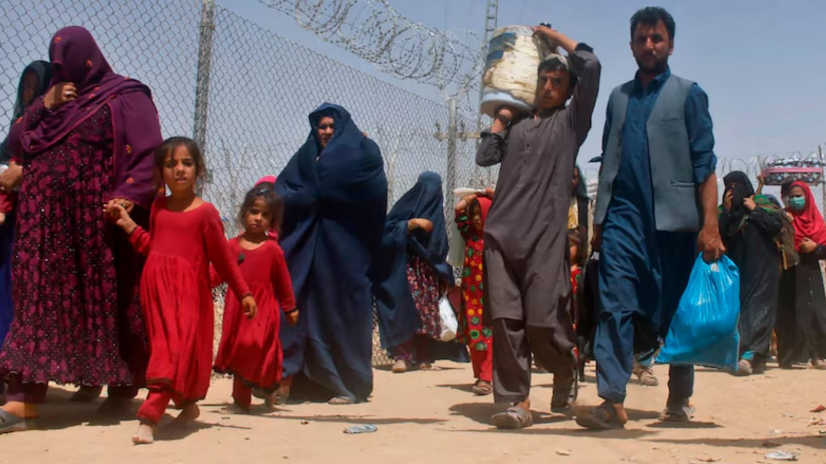

Pakistan on Friday refused to pause its plan to deport Afghan nationals, despite a deadly earthquake crisis in Afghanistan. The powerful quakes have killed more than 2,200 people. Islamabad insisted it has the sovereign right to decide who can remain on its soil.
Pakistan Pushes Back Against UN Appeal
Earlier, UN High Commissioner for Refugees Filippo Grandi urged Pakistan to delay the deportations. He argued that the humanitarian crisis caused by the earthquakes required urgent action.
“Given the circumstances, I appeal to the government of Pakistan to pause the implementation of the Illegal Foreigners Repatriation Plan,” Grandi said.
However, Pakistan firmly rejected the appeal. Foreign Ministry spokesperson Shafqat Ali Khan defended the government’s stance.
“Any people with no documentation should leave. This is what Pakistan is doing and what any other country will be doing, including in Europe and other countries… it is our territory, we decide who stays in,” Khan told reporters.
Historical Context of Refugee Hosting
For over four decades, Pakistan has sheltered Afghans fleeing violence and instability — from the Soviet invasion to the Taliban’s takeover in 2021. Some Afghans were born and raised in Pakistan, while others used the country as a transit point before resettling in the West.
However, due to increasing militant attacks and insurgent activities, Islamabad launched a crackdown in 2023. As a result, many undocumented Afghans were expelled, with authorities labeling them as “terrorists and criminals.”
Quakes Deepen Afghan Suffering
Meanwhile, the earthquake has worsened the plight of returnees. According to the World Health Organization, nearly 270,000 people have recently settled in quake-hit districts near Pakistan’s border. These regions are now struggling to provide shelter and aid to families who lost everything.
In addition, Afghans awaiting relocation to Germany reported police raids on guesthouses where they were asked to stay while their asylum cases were processed.
Many of those now living in these devastated villages are part of the more than four million Afghans forced back from Iran and Pakistan in recent years.
Rising Deportations Amid Crackdown
Consequently, deportations have surged. The UN reported that Pakistan expelled more than 1.2 million Afghans since the crackdown began. This includes over 443,000 deportations so far this year.
Furthermore, Islamabad has now set its sights on an estimated 1.3 million refugees holding UN-issued Proof of Registration (PoR) cards.
The government has given them until September 1 to leave voluntarily. After that deadline, those who remain face arrest and forced deportation, intensifying fear and uncertainty among Afghan families already trapped in crisis.