
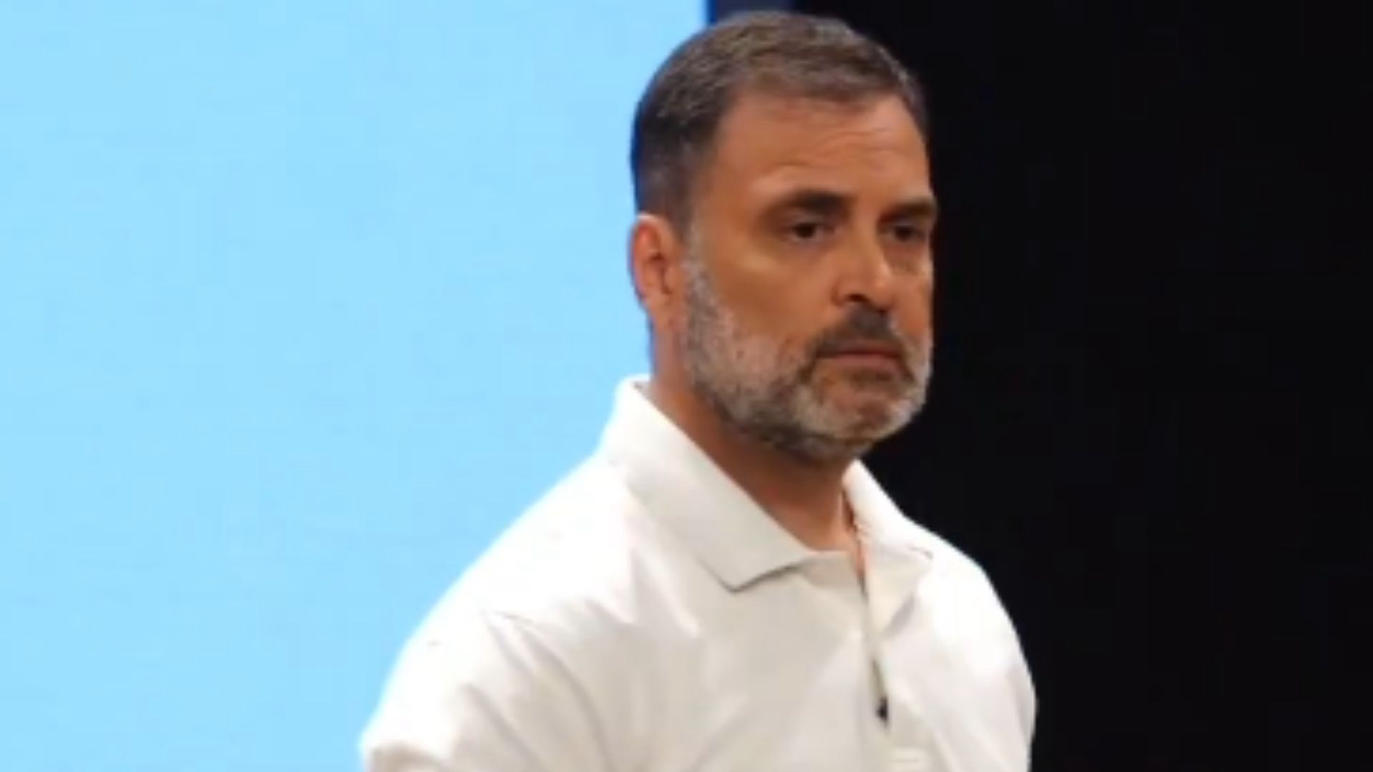

The memories of Kathmandu’s street protests remain vivid. The uprising ended a “corrupt and dynastic regime.” However, it also brought violence, arson, and deaths. Against this backdrop, Rahul Gandhi’s recent comments have ignited a heated political debate in India.
Rahul Gandhi’s Statement
At a press conference, Gandhi raised concerns about “vote chori” (vote theft). Moreover, he urged India’s Gen Z to defend the Constitution and protect democracy, similar to movements abroad.
He later posted on X, “The youth of the country, the students of the country, the Gen Z of the country will save the Constitution, protect democracy, and stop vote theft. I always stand with them. Jai Hind!"
देश के Yuva
— Rahul Gandhi (@RahulGandhi) September 18, 2025
देश के Students
देश की Gen Z
संविधान को बचाएंगे, लोकतंत्र की रक्षा करेंगे और वोट चोरी को रोकेंगे।
मैं उनके साथ हमेशा खड़ा हूं।
जय हिंद! pic.twitter.com/cLK6Tv6RpS
Although Gandhi did not directly mention Nepal, his remarks immediately drew criticism.
BJP Slams Gandhi
Consequently, the BJP reacted sharply. Party leaders accused Gandhi of encouraging street violence and creating unrest.
The Nepal movement specifically targeted corruption and dynastic politics. In contrast, critics argue that Congress represents both. For instance, the party faced several corruption scandals during UPA rule and continues to be led by the Gandhi family.
BJP spokesperson Pradeep Bhandari told News18, “Rahul Gandhi is making a dangerous comment, and Gen Z was against corruption and dynastic rule — which is what the Congress is all about."
Furthermore, Union Minister Kiren Rijiju attacked Gandhi on X. “The nation stands with PM Modi, the youth stand with him. The poor, farmers, and common people consider Modi as the leader of the country. After repeatedly losing elections, if Rahul Gandhi keeps blaming the system to hide his own weaknesses, no one will accept it."
He added that Modi’s leadership is driving India forward and accused Gandhi of attempting to “stop the engine.”
Opposition Leaders Respond
Meanwhile, some opposition leaders echoed Gandhi’s sentiments. Shiv Sena (UBT) leader Sanjay Raut warned that a similar uprising could occur in India. He urged the BJP to stay prepared.
However, JD(U) leader Neeraj Kumar rejected the comparison. Speaking in Patna, he said, “India is a democracy, it is neither Bangladesh nor Nepal; our people do not accept dictatorial ideas. If one is comparing India with Nepal, they should consider India’s economic strength and the resilience of our people."
In contrast, former BJP MP Subrat Pathak sparked controversy. He warned that if such revolutions erupted, people might set fire to the homes of Rahul Gandhi and Samajwadi Party chief Akhilesh Yadav.
Additionally, Congress MP Manish Tewari took a more cautious approach. “A sophisticated social media campaign has again felled a government in South Asia. Bangladesh now Nepal — who is next?" he posted on X.
Gen Z Voters Still Favor BJP
On the other hand, data shows Gen Z voters continue to back the BJP and NDA. Youth votes accounted for 41% of total voters in 2024. The NDA secured 43% of those votes, a drop of only 1% since 2019.
Therefore, the BJP remains confident. Its focus on youth employment, jobs, and skill development appears to be paying off.Contradictions in Gandhi’s Stand
However, Gandhi faces a serious challenge. While he positions himself as a defender of democracy, his call for a “Gen Z revolution” suggests change through protests rather than elections.
As a result, this message clashes with India’s democratic framework. It also undermines his Vote Adhikar Yatra, which emphasizes the power of the ballot box.
Moreover, Gandhi’s repeated claims of a compromised Election Commission deepen the contradiction. Critics argue that his remarks fuel distrust and weaken democratic institutions.
Opponents also accuse Gandhi of making divisive statements. They believe such remarks embolden India’s enemies like Pakistan and hurt his credibility.