
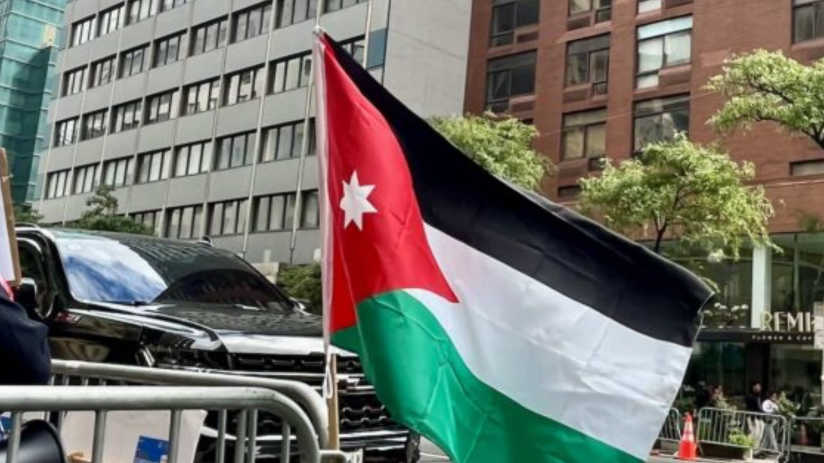

The United Kingdom, Canada, and Australia formally recognized Palestine as a sovereign state on Sunday. The move signals a shift in foreign policy and a slight break from alignment with the United States. Several other European nations and U.S. allies are expected to follow this week.
British Prime Minister Keir Starmer said, “Today, to revive the hope of peace for the Palestinians and Israelis, and a two-state solution, the United Kingdom formally recognizes the State of Palestine.”
Canada became the first Group of Seven nation to recognize Palestine. Prime Minister Mark Carney promised a “peaceful future for both the State of Palestine and the State of Israel.” Australian Prime Minister Anthony Albanese confirmed the recognition, calling Palestine an “independent and sovereign state.”
Israel Condemns the Recognition
Israeli Prime Minister Benjamin Netanyahu reacted strongly,“We will have to fight both at the UN and in all other arenas against the false propaganda against us and the calls for the establishment of a Palestinian state that will endanger our existence and constitute an absurd reward for terrorism. The international community will hear from us on this matter in the coming days.”
Netanyahu accused foreign leaders of rewarding Hamas. “It will not happen. A Palestinian state will not be established west of the Jordan River,” he said.
The Israeli Foreign Affairs Ministry said on X, “This declaration does not promote peace, but on the contrary — further destabilizes the region and undermines the chances of achieving a peaceful solution in the future.”
Hamas Welcomes the Move
Hamas praised the decision, calling it a “rightful outcome of our people’s struggle, steadfastness, and sacrifices on the path to liberation and return.”
The recognition is largely symbolic. It gives Palestinians more diplomatic standing and the potential to make treaties. But it does not change the situation in Gaza or the West Bank.
Humanitarian Crisis in Gaza
Gaza faces a worsening crisis. More than 65,000 people have died since October 2023, including thousands of children, according to the Palestinian Health Ministry. Israel continues its strikes. At least 34 people died overnight in Gaza City. Hundreds of thousands live under famine and constant displacement.
Growing International Support
The UK had warned in July that it would recognize Palestine unless Israel ended “the appalling situation” in Gaza. Starmer said, “That means a safe and secure Israel alongside a viable Palestinian state — at the moment we have neither.”
The move angered Israel and the United States. Israel argued it rewards Hamas, the group behind the October 7, 2023, attacks that killed 1,200 people and left 250 hostages. Israel’s foreign ministry said, “Hamas leaders themselves openly admit: this recognition is a direct outcome, the ‘fruit’ for the 7 October massacre.”
The Hostage and Missing Families Forum condemned the recognition. They said discussions about recognizing Palestine should depend on the release of hostages.
Starmer defended the decision, saying it is “not a reward for Hamas.” Albanese added that Hamas must have “no role in Palestine.”
More Countries Expected to Recognize Palestine
The UK joins over 140 UN member states that already recognize Palestine. France plans to declare recognition at a UN conference in New York on Monday, co-chaired with Saudi Arabia. French President Emmanuel Macron said nations must recognize “the legitimate right of Palestinian people to have a state.” He also criticized Israel’s Gaza offensive as “absolutely unacceptable” and “a huge mistake.”
Portugal confirmed recognition. Belgium, Luxembourg, and New Zealand are expected to follow. Spain, Norway, and Ireland recognized Palestine last year.
Reality on the Ground
The Palestinian state refers to the West Bank and Gaza Strip, with East Jerusalem as its capital. Israel still occupies both regions. The Palestinian Authority does not fully control the land or people. Israel recently approved new settlements. Experts say this move threatens the prospects of a two-state solution.