
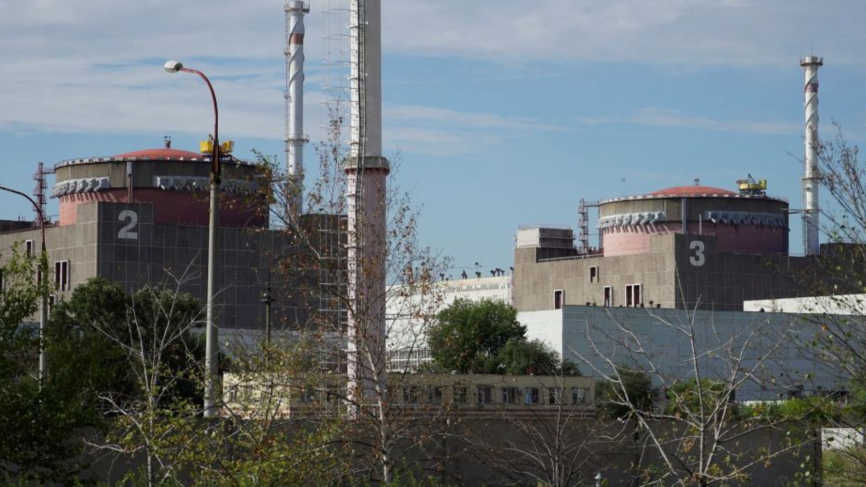

Europe’s largest nuclear plant has been without external power for more than three days, increasing the risk of a potential nuclear disaster. The Zaporizhzhia nuclear power plant in Ukraine, which has been under Russian occupation since the war began, lost its external power supply on Tuesday evening at 4:56 p.m. The final 750-kilovolt line feeding the plant was cut on the Russian-controlled side, about a mile from the facility.
Since then, the plant has been relying solely on emergency diesel generators to run its vital cooling and safety systems. So far, there are no signs of reconnection to the external grid, raising fears about the stability of the reactors.
Rafael Grossi, Director General of the International Atomic Energy Agency (IAEA), described the situation as “deeply concerning.” He met Russian President Vladimir Putin on Thursday to discuss the crisis, but the plant remains cut off from external power.
Concerns Over a Possible Deliberate Crisis
Ukrainian officials and Western experts have expressed fears that Russia may be deliberately creating a dangerous situation to tighten its control over the plant.
A Ukrainian official warned, “Russia is using the nuclear power station as a bargaining chip.”
Similarly, a Greenpeace nuclear specialist called the development “a new critical and potentially catastrophic phase.”
Experts also worry that Russia might attempt to restart one of the reactors under unsafe conditions, which could significantly increase the risk of an accident.
Safety Time Limits and European Guidelines
European nuclear regulators conducted stress tests after the 2011 Fukushima disaster in Japan. These tests determined that a nuclear facility can safely operate without external power for up to 72 hours.
The Zaporizhzhia plant has now passed that safety threshold, and Ukrainian officials point out that operating beyond this limit is untested and highly dangerous.
Background: Russia’s Control Over the Plant
Russian forces seized the Zaporizhzhia plant in March 2022, shortly after the full-scale invasion of Ukraine.
The plant’s six reactors, capable of generating electricity for around four million homes, were later placed in cold shutdown mode to prevent accidents.
While Ukraine considers the plant part of its territory, Russia has aimed to reconnect it to its own power grid. Experts say this task is extremely complex and can only be completed during peacetime.
The facility has lost external power nine times before, mostly due to Russian strikes damaging Ukraine’s energy infrastructure. However, this latest outage is different because the final power line was deliberately cut from the Russian side.
Russian officials blamed the outage on “ongoing shelling by Ukrainian forces,” while Ukraine strongly denied targeting the plant, citing the extreme dangers of doing so.
Backup Generators Provide Temporary Relief
According to the IAEA, the plant currently has enough diesel fuel to keep the generators running for about 20 days.
At present, seven of the 18 available generators are operating to keep the reactors cool. Grossi, however, warned that this is only a temporary solution and carries significant risks.
“The loss of external power increases the likelihood of a nuclear accident,” Grossi stated.
If the generators fail or run out of fuel, the nuclear fuel inside the six reactors could overheat, potentially leading to a meltdown over several weeks.
Lessons from Fukushima Disaster
The situation has drawn comparisons to the Fukushima disaster in Japan. In 2011, a massive 9.0-magnitude earthquake caused the reactors to shut down automatically. Emergency generators initially kept the cooling systems functioning.
However, a powerful tsunami soon disabled those generators, leading to three reactor meltdowns within three days.
Although no immediate deaths occurred, more than 100,000 people were evacuated, and the region suffered long-term environmental and economic consequences.
Experts fear a similar chain of events could unfold at Zaporizhzhia if emergency systems fail.
Urgent Need for Action
With external power gone for more than three days, the window for preventing a disaster is closing. The IAEA continues to push for urgent measures to restore stable electricity to the facility.
Meanwhile, Ukraine and its allies accuse Russia of weaponizing the plant to gain leverage in the ongoing conflict. The coming days will be crucial in determining whether Europe’s largest nuclear plant can avoid a major nuclear crisis.