
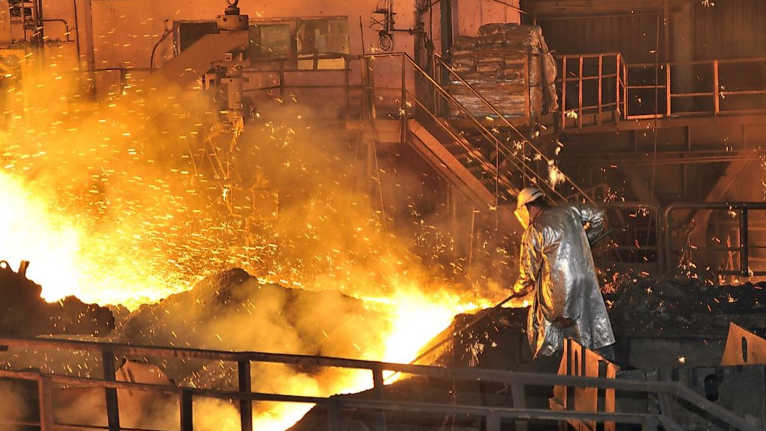

The European Union (EU) on Tuesday introduced a major proposal to reform its steel import policy. The plan cuts the tariff-free import quota by almost half and sets a 50% tariff on steel imports exceeding the new 18.3 million-ton limit. This marks a sharp increase from the current 25% rate. The new policy will hit major steel exporters such as China, India, Turkey, and the United Kingdom, while neighbouring countries like Norway, Iceland, and Ukraine will remain exempt.
The proposal seeks to protect European steel producers from a flood of low-cost imports, which have been redirected to Europe after the United States imposed its own tariffs earlier this year. The EU believes the change will help stabilise prices and safeguard local jobs.
Focus on Strengthening EU Steelmakers
Under the proposed system, importers will be required to declare exactly where their steel was “melted and poured.” The new setup will also use a complex quota system to manage steel entries into the EU market.
The move would replace the current steel safeguard policy, which is consistent with World Trade Organization (WTO) rules and is due to expire in June 2026. European Commission President Ursula von der Leyen said, “A strong, decarbonised steel sector is vital for the European Union’s competitiveness, economic security and strategic autonomy. Global overcapacity is damaging our industry.”
The proposal now heads to the European Parliament and the European Council for review and voting. It may also require WTO consultations to ensure compliance with international trade laws.
The Scale of the Challenge
According to Eurostat, the EU exported €77 billion ($89.7 billion) worth of steel in 2024, while imports reached €73.1 billion ($85.2 billion). The European Steel Association estimates that global steel overcapacity stands at around 602 million tonnes — almost four times higher than the EU’s total annual consumption.
Judith Kirton-Darling, general secretary of IndustriAll Europe, said the situation demanded urgent action, noting that the steel sector “is at breaking point.” European Commission Executive Vice President Stéphane Séjourné described the new proposal as “the new safeguard clause on steel” and “the reindustrialisation of Europe.”
UK Sounds Alarm Over EU Tariff Changes
The EU’s announcement has sparked deep concern in Britain, where the steel industry relies heavily on exports to the EU. Over three-quarters of UK steel exports go to European markets. The trade body UK Steel warned that the proposed quota cuts could “spell disaster” for the already struggling sector.
“This is perhaps the biggest crisis the UK steel industry has ever faced,” said UK Steel Director-General Gareth Stace. He urged the British government to negotiate specific quotas with Brussels, warning that redirected steel from other countries could flood the UK market and threaten domestic producers.
Prime Minister Keir Starmer confirmed ongoing talks with the EU, saying, “I’ll be able to tell you more in due course but we are in discussions, as you’d expect.”
British Steel Industry at Risk
Britain’s once-powerful steel industry now contributes only 0.1% to the national economy. Thousands of jobs are under threat at Tata Steel’s Port Talbot plant in Wales, which is currently undergoing a major restructuring to become more efficient and environmentally friendly.
The trade union Community called the EU proposal “an existential threat.” Assistant General Secretary Alasdair McDiarmid warned that a trade war “would be incredibly damaging for everyone involved, with workers in the UK and Europe paying the heaviest price.”
Steel’s Place in European History
Steel remains one of Europe’s core industries, employing around 300,000 people across 20 of the EU’s 27 member states. However, the sector has lost about a quarter of its workforce in the past 20 years. The EU itself traces its roots to the 1951 European Coal and Steel Community, which brought together Luxembourg, Italy, France, the Netherlands, West Germany, and Belgium to manage steel and coal production jointly.
Looking Ahead
While the United States and the EU continue to maintain a cautious trade agreement, they are still negotiating long-term coordination on industries such as steel, wine, and whisky. EU trade representative Maroš Šefčovič said that the new tariff proposal would be discussed at the upcoming Group of 20 trade ministers’ meeting in South Africa on Friday.
The outcome of the talks will likely shape the future of global steel trade — and determine whether Europe can balance protectionism with competitiveness in an increasingly volatile market.