
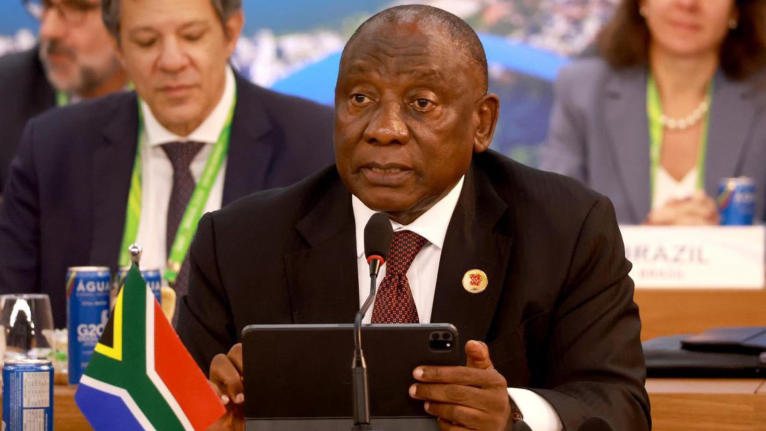

The G20 summit ended on Sunday with a diplomatic clash between the United States and South Africa. The dispute arose when South Africa refused to hand over the G20 presidency to a US representative it considered too junior. The US had boycotted the two-day summit but is set to lead the G20 in 2026.
Trump’s Boycott Sparks Tension
US President Donald Trump skipped the summit. He claimed South Africa pursues “racist and anti-White” policies and “persecutes” its Afrikaner White minority. South Africa saw the US decision to send only a diplomatic official as an insult to President Cyril Ramaphosa.
South Africa’s Foreign Minister Ronald Lamola said, “The United States is a member of the G20, and if they want to be represented, they can still send anyone at the right level.” He added, “It is the leaders’ summit. The right level is the head of state, a special envoy appointed by the president of that country, or it could also be a minister.”
The handover of the G20 presidency will happen later, possibly at South Africa’s foreign ministry.
Diplomatic Tensions Rise
Tensions grew after Ramaphosa claimed that the US reversed its decision and tried to join the summit at the last minute. The White House rejected this and said US officials would attend only the formal handover.
Press Secretary Karoline Leavitt said, “Ramaphosa is running his mouth a little bit against the United States and the president of the United States.”
Unusual Declaration Issued
South Africa broke tradition at the first G20 summit held in Africa. The country released a leaders’ declaration on the opening day. Normally, declarations are issued at the end of the summit.
The United States objected. It criticized South Africa’s focus on climate change and global wealth inequality.