
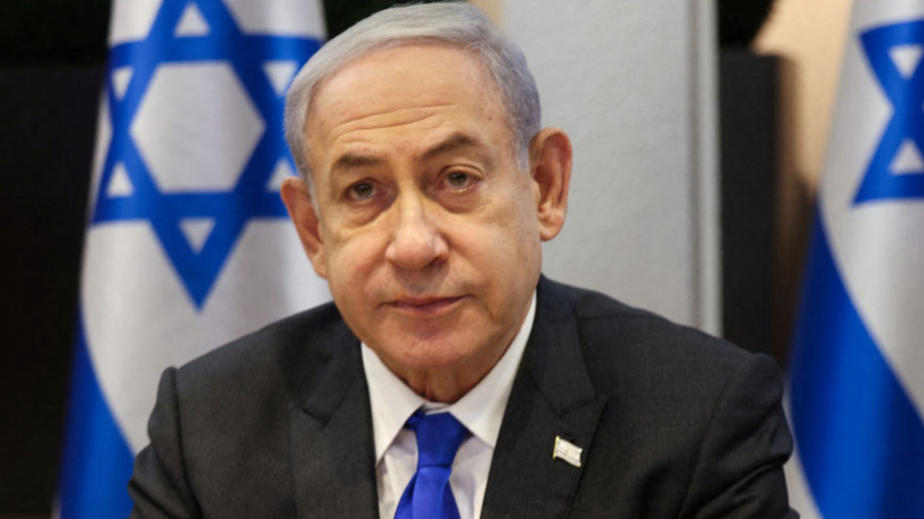

Israeli Prime Minister Benjamin Netanyahu and his far-right partners chose to boycott a key vote in the Knesset that supported US President Donald Trump’s Gaza peace plan. The proposal came from opposition leader Yair Lapid. It passed with 39 votes in favour and none against. As the debate began, members of Netanyahu’s coalition suddenly left the hall and rushed out just before the vote.
Lapid expressed disappointment
Yair Lapid openly criticised Netanyahu for staying away from the vote. He said, “I admit that I am surprised and disappointed that Prime Minister Netanyahu is not here. This is the first opportunity given to us as a Knesset to say to Preident Trump, to say to the world, to say to ourselves – we are uniting around a common goal. Netanyahu chose to boycott the vote and not come here. It’s a shame.”
Opposition seeks to pressure Netanyahu
Sources told CNN that the opposition arranged this vote to place political pressure on Netanyahu. They aimed to challenge him in front of the Trump administration and show the growing tension inside his government. Far-right leaders, including Itamar Ben Gvir and others, had already made it clear that they did not support the motion even before the vote took place.
Far-right leaders reject a Palestinian state
Heritage Minister Amichai Eliyahu strongly opposed the proposal. He accused Lapid of trying to shame Israel. He said, “We will certainly vote against - if Lapid wants to embarrass the state, that’s his business. A Palestinian state will not be established.” His statement reflected the position of many hardline members inside the ruling coalition.
Netanyahu’s past support creates confusion
Even though Netanyahu avoided the Knesset vote, he had earlier shown support for Trump’s peace plan. During his September 2025 visit to the White House, Netanyahu publicly backed the proposal. He also welcomed its approval by the UN Security Council in November.
However, his Cabinet never fully discussed or voted on the plan as a whole. The only part it agreed to was the first phase of a ceasefire. That phase required Israel to partially withdraw from Gaza in exchange for the release of both living and deceased hostages. As part of the same deal, Israel also agreed to release several Palestinian prisoners and detainees.
This gap between Netanyahu’s public position and his government’s internal actions has now raised fresh questions about where he truly stands on the full peace proposal.