
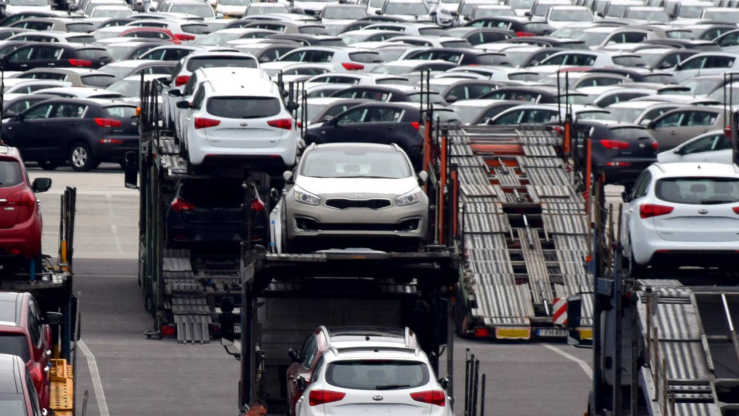

Mexico has decided to raise tariffs on vehicles coming from India. This policy is expected to affect almost $1 billion worth of car exports from the world’s third-largest automobile market. Companies such as Volkswagen Group AG and Hyundai Motor Co. will face the impact even though the industry had urged both governments to avoid the change.
Industry Asked India to Intervene
The Society of Indian Automobile Manufacturers (SIAM) wrote to the Commerce Ministry in November. The industry body requested the government to persuade Mexico to “maintain status quo” on import duties for cars sent from India.
In the letter, SIAM warned that “The proposed tariff hike is expected to have a direct impact on Indian automobile exports to Mexico...we seek Government of India's support to kindly engage with the Mexican government.”
Reuters reviewed the letter.
At the moment, it is unclear what steps the carmakers, SIAM, or the Indian government will take after Mexico finalised the tariff change.
Mexico Approves Steep Tariff Increase
On Wednesday, Mexico approved tariffs of up to 50 percent on hundreds of products from countries without trade agreements. India and China are among the affected nations. The Mexican government said the move aims to protect local jobs and manufacturing.
This decision also follows pressure from the United States, which wants Mexico to reduce its business links with China. However, several Mexican business groups opposed the increase. They argued that higher tariffs will raise costs for consumers and local industries.
Heavy Impact on India’s Auto Strategy
Mexico is India’s third-largest car export market, after South Africa and Saudi Arabia. The import duty on cars will rise from 20 percent to 50 percent, which creates a major setback for Volkswagen, Hyundai, Nissan, and Maruti Suzuki. These companies may now need to rethink their export plans.
Indian manufacturers have long depended on exports to keep factories running at full capacity. Exports help them achieve economies of scale, offset weak domestic demand, and improve profit margins. Because of the tariff hike, this export-driven strategy may require significant adjustments.
Compact Cars Are the Main Export
During meetings with government officials last month, carmakers explained that most exports from India to Mexico are compact cars with engines smaller than one litre. These vehicles are designed specifically for the Mexican market and are not intended for re-export to the United States.
According to customs data and the SIAM letter, India exported goods worth $5.3 billion to Mexico in FY24. Passenger cars accounted for nearly $1 billion of that total.
India’s Share in Mexico’s Car Market
Carmakers told officials that Mexico sells roughly 1.5 million passenger vehicles each year. About two-thirds of these cars are imported. India contributes “just about 6.7 percent” of these sales, according to the letter and sources.
Skoda Auto is the biggest exporter, accounting for nearly 50 percent of India’s total car shipments to Mexico. Hyundai exported cars worth $200 million, Nissan shipped $140 million, and Suzuki exported $120 million, customs records showed.
SIAM stressed in its letter that “Indian-origin vehicles are not a threat to Mexican local industry as Indian vehicles do not cater to high-end segments manufactured by Mexico for serving the North American market.”
No Official Response Yet
India’s commerce ministry, SIAM, and the Mexican government did not respond to requests for comment. Hyundai and Maruti Suzuki did not provide comments either, while Nissan declined to comment.
Piyush Arora, the head of Volkswagen’s India unit, said India has been a strong manufacturing and export base for many years. The company ships vehicles to more than 40 countries.
“Mexico has consistently been one of our important export markets, given the rising demand there and the traction of our India-made models,” Arora said before the tariff hike was confirmed.