

Cubans from all walks of life are struggling to survive as long power cuts and soaring prices for food, fuel, and transport place heavy pressure on daily life. The situation has worsened due to renewed pressure from the United States, which threatens to tighten its economic grip on the communist-run island.
Cuba is now facing its worst economic crisis since the collapse of the Soviet Union in 1991, which was once its main supporter.
Oil Supplies Dry Up After Political Shift
For years, Cuba managed to get by with cheap oil supplies from Venezuela. That lifeline ended after US special forces removed Venezuelan leader Nicolas Maduro on January 3.
Following this development, oil shipments from Venezuela stopped. Later, fuel supplies from Mexico were also suspended, deepening Cuba’s energy crisis.
According to official figures reviewed by AFP, Cuba produced only about half of the electricity it needed in 2025.
People Across Havana Feel the Strain
Reuters spoke to more than three dozen people across Havana and nearby areas. These included street vendors, private workers, taxi drivers, and government employees.
Together, their accounts paint a grim picture. Goods and services are becoming harder to find. Anything that depends on fuel is either unavailable or too expensive for most people.
Power Cuts Spread From Rural Areas to Havana
In rural Cuba, long power cuts are nothing new. The country’s old and fragile electricity system has been failing for years. Many residents are used to living without electricity, internet, or running water for long periods.
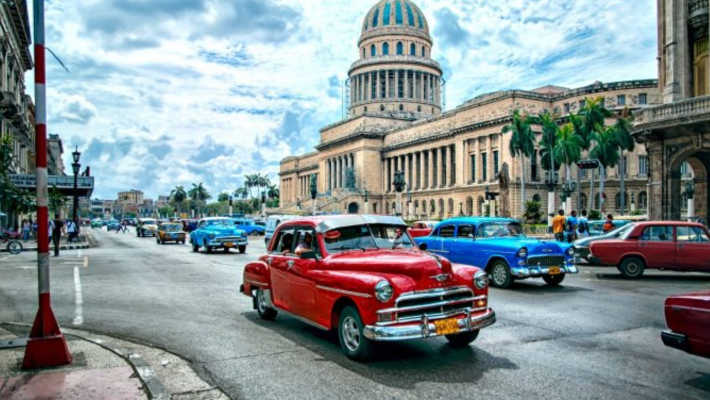
Havana, however, was largely spared until recently. The capital city, famous for its vintage cars and colonial buildings, had enjoyed relatively stable power.
That advantage is now disappearing as fuel shortages grow worse.
US Pressure Adds to Cuba’s Troubles
US President Donald Trump has warned that Washington will impose tariffs on countries that supply oil to Cuba. This move follows Maduro’s removal in early January.
Trump also said he did not believe military action against Cuba was needed because “it looks like it’s going down.”
Cuba’s Foreign Minister Bruno Rodriguez responded by declaring an “international emergency” on Friday. He described Washington’s tariff threat as an “unusual and extraordinary threat.”
So far, Cuban authorities have not clearly explained how they plan to manage what many fear could turn into a humanitarian crisis.
Prices Rise as Peso Weakens
The situation has become worse due to the rapid fall of the Cuban peso. It lost more than 10% of its value against the US dollar in just three weeks.
This drop has pushed food prices even higher.
“This has put me in an impossible situation,” said Havana resident and housewife Yaite Verdecia. “There’s no salary that can cope with this.”
Fuel Shortage Disrupts Daily Life
Fuel shortages have hit transport hard. Long queues have formed at the few petrol stations in Havana that still receive supplies.
Since mid-December, fuel has mostly been sold in dollars at high prices. Most Cubans do not earn or have access to dollars.
“There used to be a system where you could sign up and get fuel once a month in pesos,” said Havana resident Jesus Sosa. “That’s over now. Sales in national currency have stopped.”
Transport Crisis Leaves People Stranded
With fuel scarce, both public and private transport services have been reduced. Some buses and taxis have stopped running, while others have raised fares.
Daylan Perez, a 22-year-old who arranges private taxis in Old Havana, said fewer buses have left people with limited choices.
Many residents now face a tough decision: pay high prices or stay home.
Power Cuts Lead to Safety Risks
Frequent power outages have also raised safety concerns. Reuters witnessed a traffic accident at a busy Havana intersection after traffic lights stopped working during a blackout.
“When the power goes out, accidents happen because the lights don’t work,” said Raysa Lemu, who lives in Marianao.
“Before, outages happened two or three times a week. Now it’s every day, sometimes lasting up to 12 hours.”
Elderly and Workers Hit the Hardest
The crisis has been especially harsh on elderly citizens.
Mirta Trujillo, a 71-year-old street vendor from Guanabacoa, said she can no longer afford enough food. She once depended on government rations, which were reduced after the pandemic as tourism income dried up.
“I’m not against my country,” she said. “But I don’t want to die of hunger.”
Julia Anita Cobas, a 69-year-old housekeeper, now wakes up at 4 a.m. to manage a 10-mile commute that can take nearly four hours due to transport shortages.
“I leave before sunrise, and I don’t know how I’ll get back,” she said.
Little Hope for Relief
Cobas, who was born just before Fidel Castro’s revolution, said she expects no relief from Washington.
“Since I was born, the United States has been threatening us. Every day we face hardship — and we survive,” she said.
Others share the same feeling.
“We’re drowning. But there’s nothing we can do,” said Aimee Milanes, 32, from Reparto Electrico outside Havana. “This is about survival. Nothing else.”