
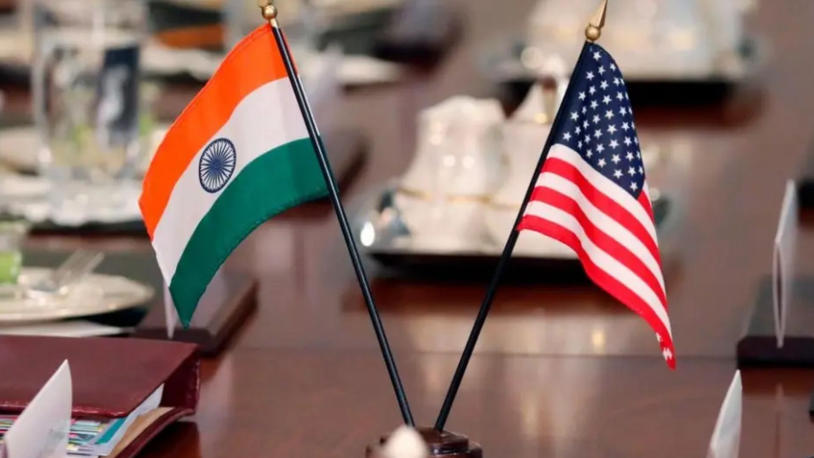

For most of the past year, trade relations between India and the United States remained tense. Talks moved slowly. Tariffs stayed high. Sharp political remarks added pressure. Despite repeated meetings and leader-level engagement, both sides failed to seal a deal.
That changed on Monday.
A phone call between Prime Minister Narendra Modi and US President Donald Trump finally broke the impasse. The conversation led to what both governments now describe as a major trade breakthrough.
Under the new pact, the US has agreed to cut tariffs on Indian goods from 50 per cent to 18 per cent. The move marks a sharp turnaround after months of friction in 2025.
How the Trade Push Began
The latest round of trade talks started on a positive note in February last year. During PM Modi’s visit to the US, both countries launched a fresh negotiation track. The goal was clear. They wanted to finalise the first phase of a bilateral trade deal by autumn.
However, progress soon slowed.
Disagreements emerged over market access, tariff structures, digital trade rules and energy imports. As a result, negotiations lost momentum. By spring, the tone between the two sides had hardened.
Tariffs Rise and Tensions Grow
In April, Washington imposed reciprocal tariffs of 25 per cent on Indian imports. The move was part of a broader global tariff action. Although the US later paused some of these duties, a base tariff remained in place.
Then came a bigger shock.
By mid-2025, the US sharply raised tariffs on Indian goods to 50 per cent. This included a 25 per cent punitive duty linked directly to India’s continued purchase of Russian crude oil after Western sanctions over the Ukraine war.
The decision made India one of the most heavily taxed US trading partners.
New Delhi strongly objected. It called the tariffs unfair and stressed that energy purchases were guided by market conditions and national energy security. Indian officials also said Russian oil imports had already started declining.
Oil Becomes the Main Flashpoint
Soon, energy trade turned into the biggest source of disagreement.
Washington repeatedly criticised India’s Russian oil purchases. It also linked tariff penalties to those imports. Meanwhile, India defended its stance and rejected political pressure over energy sourcing.
Despite rising tensions, neither side walked away from the table.
Talks Continue Despite Pressure
Throughout the year, both countries held at least six formal negotiation rounds. They also carried out several informal consultations.
In December 2025, a US delegation led by a deputy trade representative visited India to keep discussions alive.
At the top level, engagement continued. The Ministry of External Affairs said PM Modi and Trump spoke eight times by phone during 2025. Still, progress remained slow.
Trade talks became entangled with public messaging and political commentary.
Public Remarks Add Fuel
In early January, fresh controversy erupted.
US Commerce Secretary Howard Lutnick claimed on a podcast that a trade deal failed because Modi “didn’t call” Trump at a crucial moment. Some Trump aides echoed the claim.
India rejected this version. The MEA said the two leaders had remained in regular contact and talks never stopped.
The remarks sparked political reactions in India. Opposition leaders criticised the comments and underlined the long-term strategic value of India–US ties.
Other Issues Strain Relations
Trade was not the only problem.
During this period, the US tightened immigration rules. It also criticised India’s defence and energy ties with Russia. Trump repeatedly claimed he helped broker a ceasefire after last year’s brief India–Pakistan conflict, a claim India did not support.
At the same time, mixed signals continued. At the World Economic Forum in Davos, Trump praised Modi as a “fantastic leader” and described bilateral relations as “special,” even as trade disputes dragged on.
Breakthrough After Key Phone Call
The stalemate finally ended on Monday night.
After another phone call between Modi and Trump, the US ambassador to India flagged a breakthrough. Trump later confirmed it in a social media post.
He announced that US tariffs on Indian goods would drop to 18 per cent immediately. Trump also claimed that India would reduce tariffs and non-tariff barriers on US goods to zero. He further said India would buy over $500 billion worth of US energy, technology and agricultural products, stop purchasing Russian oil, and shift imports toward the US and possibly Venezuela.
India welcomed the agreement but confirmed only part of these claims.
PM Modi called it a “wonderful announcement” and praised stronger cooperation between the two countries. However, his statement did not mention Russian oil, zero-tariff commitments, or the $500 billion purchase figure.