

The reported killing of Ayatollah Ali Khamenei in joint US-Israeli strikes on Tehran has created fresh instability in the region. His death comes at a time when Iran is already facing internal unrest and economic stress.
For India, the situation carries major strategic and economic risks. Critical projects such as Chabahar Port and the International North-South Transport Corridor (INSTC) could face disruption.
Iran Faces Political and Economic Turmoil
Iran is going through a severe political crisis. Protests have spread across several cities. These demonstrations have increased pressure on the government.
To control the unrest, authorities have shut down Internet and mobile services in some areas. The country’s economy is already under strain due to sanctions and inflation.
The crisis has drawn global attention. Countries with strong economic ties to Iran are closely watching developments. India is one of them.
At the same time, US President Donald Trump announced that any country doing business with Iran would face an additional 25 percent tariff. This warning adds more pressure on India, which maintains trade relations with Tehran.
Why Iran Matters to India’s Strategy
Iran plays a key role in India’s foreign policy and regional planning. It gives India access to Afghanistan, Central Asia, Russia, and parts of Europe without passing through Pakistan.
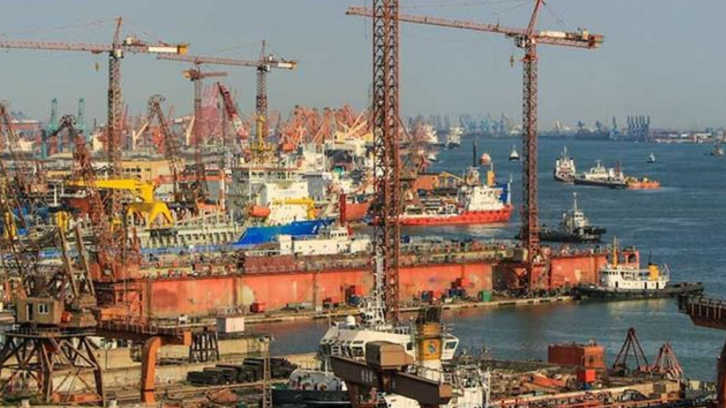
The Chabahar Port on Iran’s southeastern coast is central to this strategy. It offers India a direct trade route to Afghanistan and Central Asia. Any instability in Iran could slow down operations at the port.
Chabahar is also linked to the INSTC, a trade corridor that connects India to Russia and Europe. The corridor can reduce transport time by nearly 40 percent and lower logistics costs by about 30 percent. Disruption to this route could weaken India’s regional connectivity goals.
India–Iran Trade at Risk
Official data shows that trade between India and Iran reached about $1.68 billion in the financial year 2024–25. India exported goods worth around $1.24 billion and imported goods valued at $0.44 billion. This created a trade surplus of nearly $0.80 billion in India’s favour.
India mainly exports rice, tea, sugar, pharmaceuticals, electrical machinery, and synthetic fibres to Iran. In return, it imports dry fruits, chemicals, and glass products.
If unrest affects shipping routes, port activities, or financial transactions, this trade flow could suffer serious setbacks.
Oil Supply and Strait of Hormuz Concerns
Iran is a major oil and gas producer. The Strait of Hormuz is especially important. Nearly 20 percent of the world’s crude oil passes through this narrow route.
India imports over 80 percent of its crude oil needs. If tensions in the Gulf disrupt oil movement, global prices could rise sharply. This would increase India’s import costs and push up fuel prices at home.
Higher petrol and diesel prices would raise transport costs. This would increase inflation and put pressure on household budgets. Economic growth could slow as a result.
Leadership Transition and Policy Uncertainty
Khamenei’s death has created uncertainty about Iran’s next leadership. The transition process could affect trade agreements and regional diplomacy.
India’s immediate concern is whether projects like Chabahar and the INSTC will continue smoothly. Any delay could weaken India’s outreach to Central Asia and beyond.
At the same time, the threat of US tariffs complicates India’s trade decisions. New Delhi may have to carefully balance its economic interests with global diplomatic pressures.
Why Stability in Iran Is Crucial for India
Iran’s stability directly affects India’s trade security, energy supply, and connectivity plans. Oil imports, infrastructure projects, and regional partnerships all depend on a stable environment in Tehran.
If the crisis deepens, India could face rising energy costs, disrupted trade, and strategic setbacks. As tensions grow, India will need to protect its economic interests while managing geopolitical risks.
Developments in Iran are not just regional events. They carry serious implications for India’s long-term trade, energy security, and strategic ambitions.