
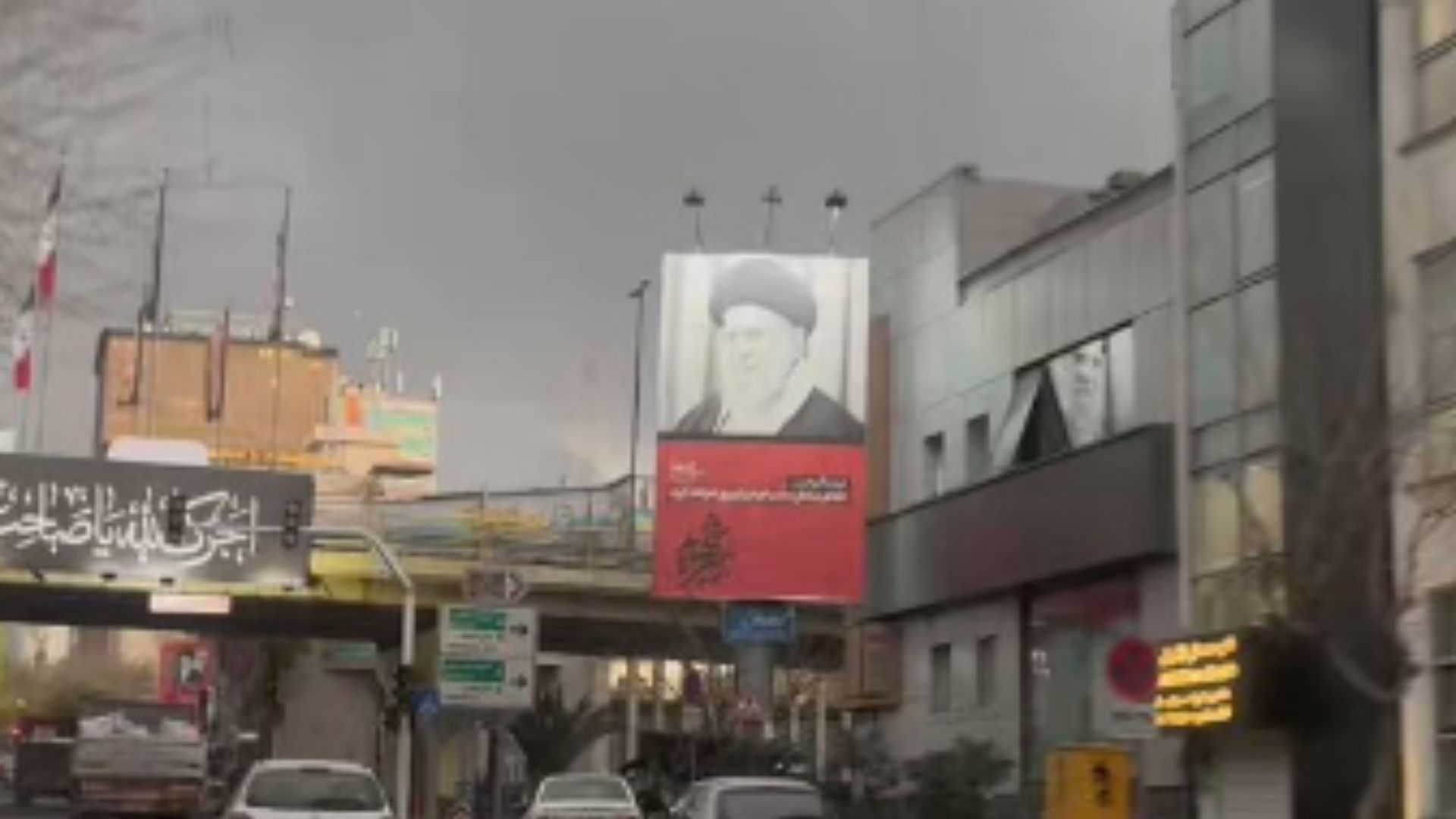

Israeli warplanes launched overnight airstrikes on several oil facilities in and around Tehran, causing massive fires and thick smoke that spread across parts of the Iranian capital on Sunday morning. The strikes triggered powerful explosions, sending flames and dark clouds high into the sky while a strong burning smell filled many neighbourhoods.
Reports indicated that Israeli aircraft targeted five oil-related sites, including refineries and fuel storage facilities located south and west of Tehran. The attacks caused huge blasts and towering fireballs, while thick black smoke quickly spread across the city. Many residents woke up to darkened skies and a hazy atmosphere caused by the fires.
Israeli Airstrikes Target Oil Facilities Near Tehran
The overnight strikes focused on key oil infrastructure that plays an important role in supplying fuel to the capital. Refineries and fuel depots were among the main targets, leading to large fires that continued burning for hours.
The attacks resulted in widespread damage to facilities responsible for distributing fuel across Tehran.
Casualties Reported After Tehran Oil Facility Attacks
Iranian officials confirmed that four people were killed in the airstrikes. The chief executive of Iran’s national oil products distribution company announced the deaths while speaking to state television.
Authorities said the bombardment specifically targeted infrastructure linked to the capital’s fuel supply network.
“Black Rain” Reported As Smoke Pollutes Tehran Skies
After the attacks, residents in several parts of Tehran reported unusual rainfall. Smoke and pollutants from the burning oil facilities mixed with rain clouds, leading to what witnesses described as oil-tainted rain.
A CNN correspondent reporting from Tehran described the unusual conditions, saying “the rainwater is actually black… also saturated, it appears, with oil." The dark rainfall and heavy pollution significantly worsened air quality in the city.
Fuel Supply Disrupted In Tehran After Strikes
The attacks temporarily affected fuel distribution in Tehran. Mohammad Sadegh Motamedian, the governor of Tehran, said the city’s fuel supply system had been damaged during the strikes.
“The problem is being resolved," he said, according to the Islamic Republic News Agency. Officials added that repair work had already begun to restore the network.
Israel Confirms Airstrikes On Iranian Fuel Depots
The Israeli military later confirmed that its air force had carried out the strikes. According to the statement, the operation targeted fuel storage facilities to prevent them from being used by Iran’s military.
The attacks are part of the ongoing conflict involving Israel, Iran and the United States, which began on February 28 after joint US-Israeli strikes on Iranian targets.
Israel-Iran War Continues To Expand Across The Region
Earlier, Israeli Prime Minister Benjamin Netanyahu vowed to continue military operations against Iran. He also promised to dismantle the country’s leadership after an earlier raid reportedly killed Iran’s Supreme Leader Ali Khamenei.
The conflict has already caused heavy casualties across the region. Officials say at least 1,230 people have died in Iran, more than 300 in Lebanon, and around a dozen in Israel since the fighting began.