

The growing conflict in the Middle East has raised global concerns as attacks between Iran and the United States continue to intensify. The conflict began after joint US-Israeli strikes on Iran and has now spread across the region.
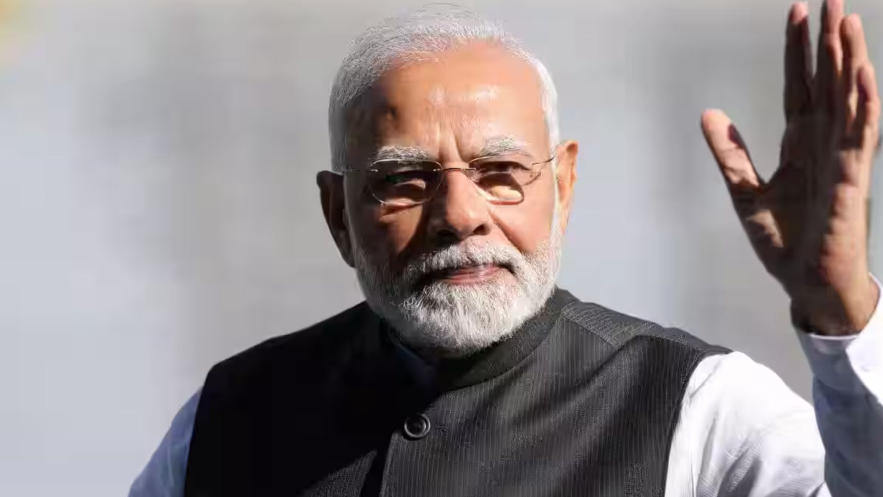
Amid these tensions, Hussain Hassan Mirza said a single phone call from Narendra Modi to leaders in Iran and Israel could help stop the war.
Speaking to NDTV on Monday, the diplomat said the United Arab Emirates does not want to be involved in the conflict.
War Expands Across the Region
The crisis escalated after US-Israel airstrikes on Iran killed Ali Khamenei. The attacks triggered retaliatory actions and widened the conflict across the region.
The fighting has now affected several Gulf countries, including the United Arab Emirates, Qatar and Jordan. Mirza said the UAE has no intention of becoming part of the conflict. He stressed that there is no reason for the country to be drawn into the fighting.
‘One Phone Call’ From Modi Could End Crisis
The UAE envoy said Prime Minister Modi enjoys strong respect among Gulf leaders as well as the region’s public and business communities. He added that this credibility extends to both sides involved in the war.
"One phone call from Mr Modi to the counterparts in Iran and Israel can solve this issue, can end this issue. One phone call," Mirza said. According to the diplomat, Modi’s leadership and global standing give him the influence needed to bring the opposing sides to the negotiating table.
UAE Concerned About Fighting on Its Soil
Mirza also expressed concern that the ongoing conflict is affecting the UAE directly. "They are fighting each other on our soil. That is unacceptable," he said.
He noted that the UAE has a unique position in the region. The country shares close geographical ties with Iran and also maintains diplomatic relations with Israel under the Abraham Accords. Because of this position, Mirza said the UAE could play a role in mediating between the two sides. "We can negotiate between the two," he added.
However, the diplomat clarified that he does not have a military background and was speaking from a civilian perspective. He also said reports suggesting only limited damage in the UAE appear accurate so far. "I am not a military guy," Mirza said.
Modi Speaks With UAE President
Prime Minister Modi recently spoke with Sheikh Mohamed bin Zayed Al Nahyan following attacks linked to the conflict. In a post on X, Modi strongly criticised the strikes targeting the UAE and expressed condolences for those killed.
“Spoke with President of the UAE, my brother Sheikh Mohamed bin Zayed Al Nahyan. Strongly condemned the attacks on the UAE and condoled the loss of lives in these attacks. India stands in solidarity with the UAE in these difficult times,” Modi wrote.
He also thanked the UAE leader for supporting the large Indian community living in the country. “Thanked him for taking care of the Indian community living in the UAE. We support de-escalation, regional peace, security and stability," Modi added.
India Calls for Dialogue and De-Escalation
India has maintained a consistent position on the conflict. The government has called for restraint and diplomatic dialogue to stop the violence. S. Jaishankar repeated this stance in Parliament on Monday.
“Our government had issued a statement on 20th February expressing deep concerns and urging all sides to exercise restraint. We continue to believe that dialogue and diplomacy should be pursued to de-escalate the tensions,” Jaishankar said. He also addressed concerns about energy security as tensions threaten global oil supplies.
“On energy security, the government remains committed, taking into account the costs, risk and availability of sources,” he said. Jaishankar stressed that India will always prioritise its national interests. “The interest of Indians is the top priority. Our national interests will always be paramount,” he told Parliament.