
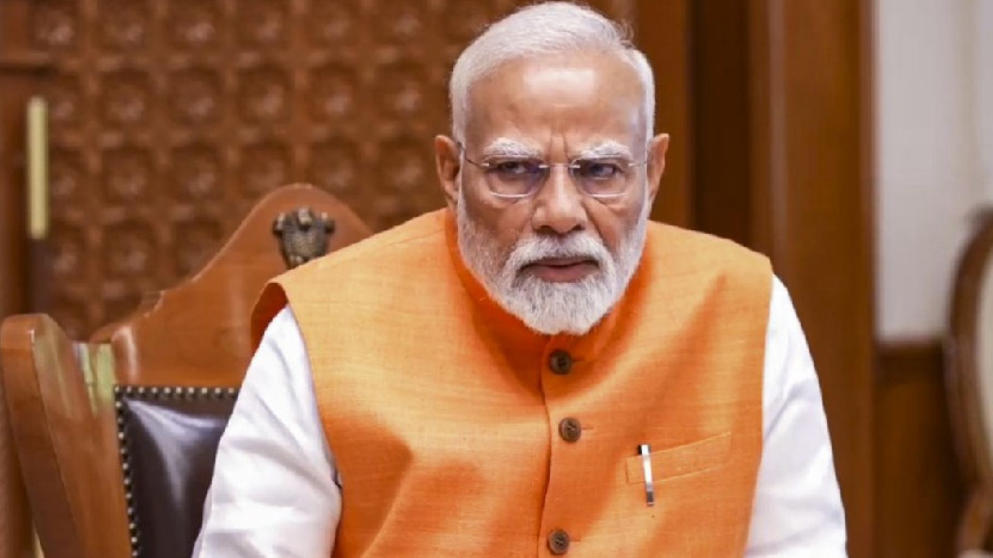

Prime Minister Narendra Modi held a high-level review meeting on Sunday as global oil markets remained unstable. Brent crude prices hovered around $109 per barrel after briefly touching $119 during the day. The sharp rise came due to the ongoing conflict in West Asia, which continues to disrupt global energy markets.
US LPG Shipment Brings Some Relief
At the same time, an LPG tanker from the United States reached India’s western coast. This shipment offered some relief as concerns over energy security continue to grow.
Tensions in West Asia Continue to Rise
The situation in West Asia remains tense. Donald Trump warned that the US could strike Iran’s power infrastructure if Tehran does not reopen the Strait of Hormuz within 48 hours.
On the other side, Iran has also taken aggressive steps. It reportedly targeted a nuclear facility in central Israel in response to earlier strikes on the Natanz nuclear site. Meanwhile, Houthi rebels have threatened to enter the conflict and disrupt shipping routes in the Red Sea and the Suez Canal.
Focus on Essential Energy Supplies
During the meeting, Modi focused on ensuring that key sectors continue to function smoothly. Discussions covered petroleum, crude oil, gas, power, and fertiliser supplies. The government stressed that there should be no disruption in these essential areas.
Logistics and Distribution Under Review
The Prime Minister also reviewed supply chains and distribution systems in detail. He emphasised the need to maintain steady supply across the country and avoid any bottlenecks.
Fuel Prices Show Mixed Trends
Since the conflict began, retail petrol and diesel prices for consumers have mostly remained stable. However, other fuel categories have started to rise. This marks the first major price revision since March 2024.
Industrial diesel prices have increased sharply by around 25%. This reflects the pressure from rising global oil prices.
Government Ready to Adjust Export Plans
Officials said the government is closely watching the situation. The main focus remains on protecting domestic supply. Sujata Sharma, a joint secretary in the petroleum ministry, said the government may review fuel export plans if needed. “Domestic consumption is priority, and the government will review (the export plan),” she added.
India, being one of the world’s largest refining hubs, has the flexibility to adjust its strategy based on domestic needs.