
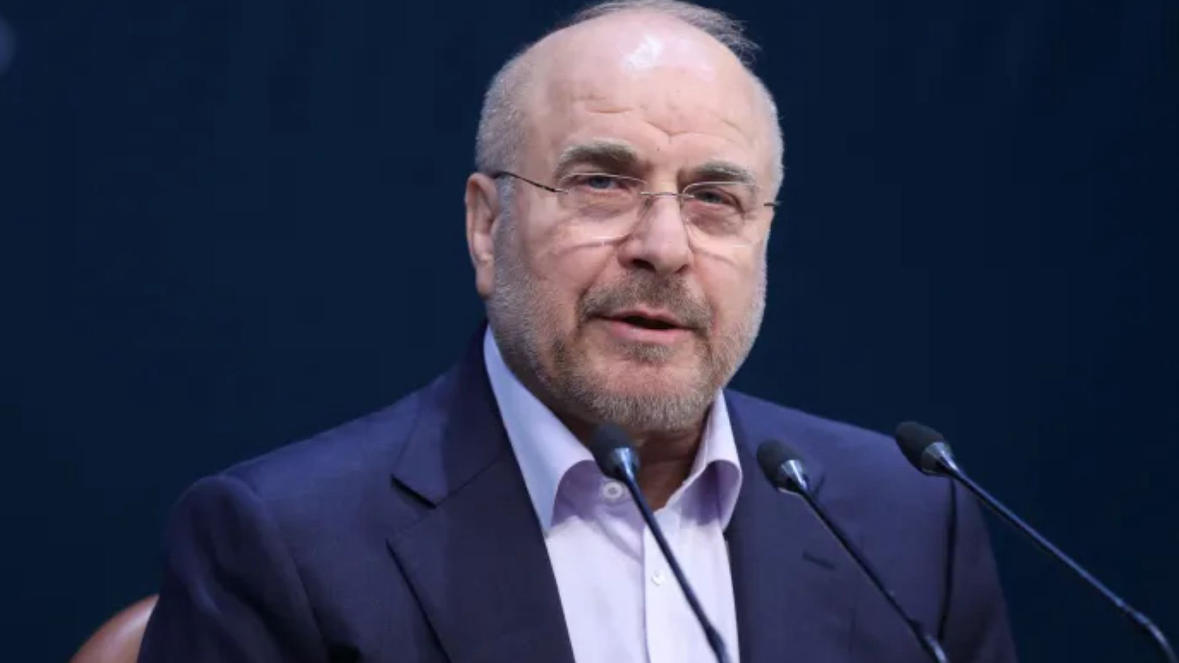

The administration of Donald Trump is considering a larger role for Mohammad Bagher Ghalibaf as it looks for a way to reach a deal with Iran. According to reports, some White House officials see Ghalibaf as a possible figure who could lead talks with the US. They believe he could act as a reliable partner in future negotiations.
However, Ghalibaf has strongly opposed the US in the past. He has also warned of retaliation against American allies.
White House Weighs Multiple Options
Even so, Ghalibaf is not the only option under review. Officials said he is a “hot option,” but the administration is also evaluating other potential leaders. One official said, “is one of the highest…But we got to test them, and we can’t rush into it.”
This shows that Washington is still assessing its strategy before making any final decision.
Trump Signals Progress, Delays Strike Plan
Meanwhile, US President Donald Trump said his administration has held discussions with “very solid” figures inside Iran. He also decided to delay a planned attack on Iran’s energy infrastructure for five days. He linked this move to what he described as progress in talks.
Trump said the conversations were “very good and productive” and aimed at a “complete and total resolution of hostilities in the Middle East”. He added that his team, including Steve Witkoff and Jared Kushner, had been in contact with a senior Iranian official and would continue discussions.
Iran Denies Any Talks
However, Iran has rejected these claims. Mohammad Bagher Ghalibaf said, “No negotiations have been held with the US, and fake news is used to manipulate the financial and oil markets and escape the quagmire in which the US and Israel are trapped.”
He added, “Iranian people demand complete and remorseful punishment of the aggressors. All Iranian officials stand firmly behind their supreme leader and people until this goal is achieved.”
Reports suggest that any communication so far may have been indirect through mediators, not direct talks between the two sides.
Trump Focuses on Oil and Strategic Deals
At the same time, the US is also looking at economic factors, especially oil. Officials said Trump avoided targeting Kharg Island, Iran’s main oil hub, because he hopes to reach a deal similar to one seen in Venezuela.
One official explained the approach: “It’s all about installing someone like a Delcy Rodríguez in Venezuela that we say, ‘We’re going to keep you there. We’re going to not take you out. You’re going to work with us. You’re going to give us a good deal, a first deal on the oil,’”.
Experts Doubt Ghalibaf’s Flexibility
However, some experts are sceptical. Ali Vaez said Ghalibaf remains deeply tied to Iran’s political system. He said, “Ghalibaf is a quintessential insider: ambitious and pragmatic, yet fundamentally committed to the preservation of Iran’s Islamist order.”
He added, “That makes him an unlikely candidate to offer Washington any meaningful concessions. And even if he were inclined to test the boundaries, Iran’s military establishment and the broader security elite would almost certainly constrain him. In the aftermath of U.S. and Israeli actions, the mood in Tehran is not one of flexibility but deep mistrust; the system as a whole sees little reason to believe that either Trump or Israel would honor the terms of any prospective agreement.”
Uncertainty Continues
The situation remains uncertain. The US signals progress and explores new political options. In contrast, Iran denies any talks and maintains a hardline stance. As a result, tensions remain high with no clear breakthrough yet.