

Pakistan said on Sunday that it is preparing to host “meaningful talks” to help end the ongoing conflict involving Iran. The announcement came as tensions in the region continue to rise, with no clear sign of peace.
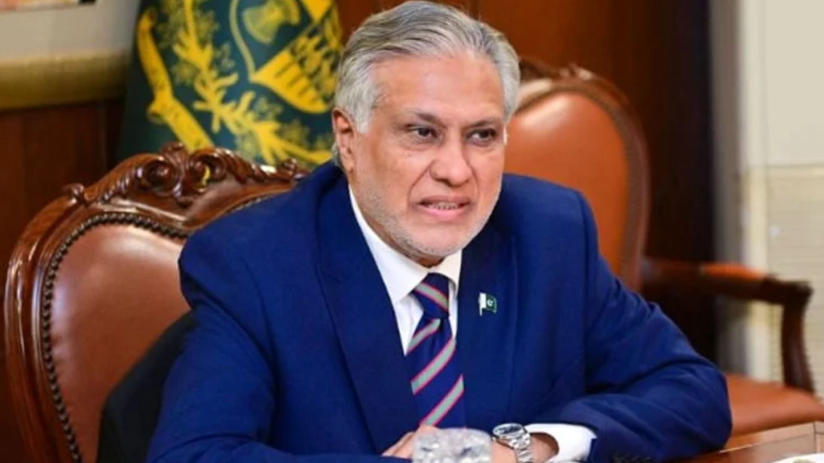
After meeting with foreign ministers from regional countries, Pakistan’s Foreign Minister Ishaq Dar said discussions focused on finding ways to bring a quick and lasting end to the war. He also mentioned the possibility of direct talks between the United States and Iran in Islamabad.
“Pakistan will be honoured to host and facilitate meaningful talks between the two sides in coming days, for a comprehensive and lasting settlement of the ongoing conflict,” he said. However, it is still unclear whether the US and Iran have agreed to take part.
Iran Warns Against US Ground Troops
At the same time, Iran signalled that it is ready to respond strongly if the United States sends troops into the country. Iran’s parliament speaker Mohammad Baqer Qalibaf accused Washington of sending mixed signals.
He said the US is talking about negotiations while also preparing for military action. He warned that Iran would not accept pressure.
“As long as the Americans seek Iran’s surrender, our response is that we will never accept humiliation,” he said.
Peace Efforts Face Major Challenges
Pakistan’s efforts to bring both sides to the table face serious difficulties. The United States, Israel, and Iran all have strong and different demands on what conditions must be met to end the conflict.
These differences are making it harder to reach a common agreement.
Focus on Reopening Strait of Hormuz
Regional powers including Pakistan, Saudi Arabia, Turkey, and Egypt are discussing plans to reopen the Strait of Hormuz, which is currently affected by Iran’s actions.
Iran has effectively blocked oil and gas shipments through the strait since the US and Israel began attacks on February 28. This has caused economic problems worldwide, as the route is vital for global energy supply.
Conflict Intensifies Across the Region
As the war enters its second month, fighting continues to escalate. Israel has launched more than 140 airstrikes on central and western Iran within 24 hours, targeting missile sites and storage facilities.
Iranian media reported that strikes hit Mehrabad airport and a petrochemical plant in Tabriz.
In Israel, a chemical plant near Beer Sheva was struck by a missile or debris, leading to warnings about “hazardous materials.” Another missile hit open ground near homes, injuring 11 people.
Wider Impact Across the Middle East
The conflict is affecting several countries in the region. Airstrikes have damaged major aluminium plants in Bahrain and the United Arab Emirates.
The UAE has demanded compensation from Iran for damage to civilian areas and key infrastructure, along with assurances that such attacks will not happen again.
Meanwhile, Yemen’s Iran-backed Houthis have joined the conflict by launching attacks on Israel. This raises concerns that another important shipping route, the Bab el-Mandeb Strait, could also be disrupted. Israel said it intercepted two drones from Yemen.
US Deploys Marines, Considers Next Steps
The United States has sent thousands of Marines to the Middle East. The first group arrived on Friday aboard an amphibious assault ship.
Reports suggest that the Pentagon is preparing for possible ground operations in Iran that could last several weeks. However, it is not yet clear whether President Donald Trump will approve these plans.
Earlier, the US proposed a 15-point ceasefire plan, which included reopening the Strait of Hormuz and limiting Iran’s nuclear programme. Iran rejected the proposal and offered its own alternatives.
Trump now faces a difficult decision between continuing military action or pushing for a diplomatic solution.
Israel Continues Strikes Despite Talk Prospects
Israel has said it will continue its military operations against Iran and does not plan to reduce attacks even if talks take place. A building housing Qatar’s Al-Araby TV in Tehran was struck during the attacks.
“The missile hit. The ceiling and everything fell on our heads. … There was no military target here,” said camera operator Mohammadreza Shademan. The International Atomic Energy Agency also reported that Iran’s heavy water production plant at Khondab has suffered severe damage and is no longer operational.
Political Divide Grows in the US
The ongoing war is also creating divisions within the United States. Protests were held across several cities against the conflict. Political leaders have shared different views on how long the war will last and what it aims to achieve.
“It is going to be a matter of weeks when all of the objectives will be carried out,” Republican Senate candidate Andy Barr said. “This is not going to be an occupation of Tehran.”
However, critics argue that the strategy is failing. “This president is pushing us further and further into a conflict with no foreseeable off-ramp,” Senator Cory Booker said.