
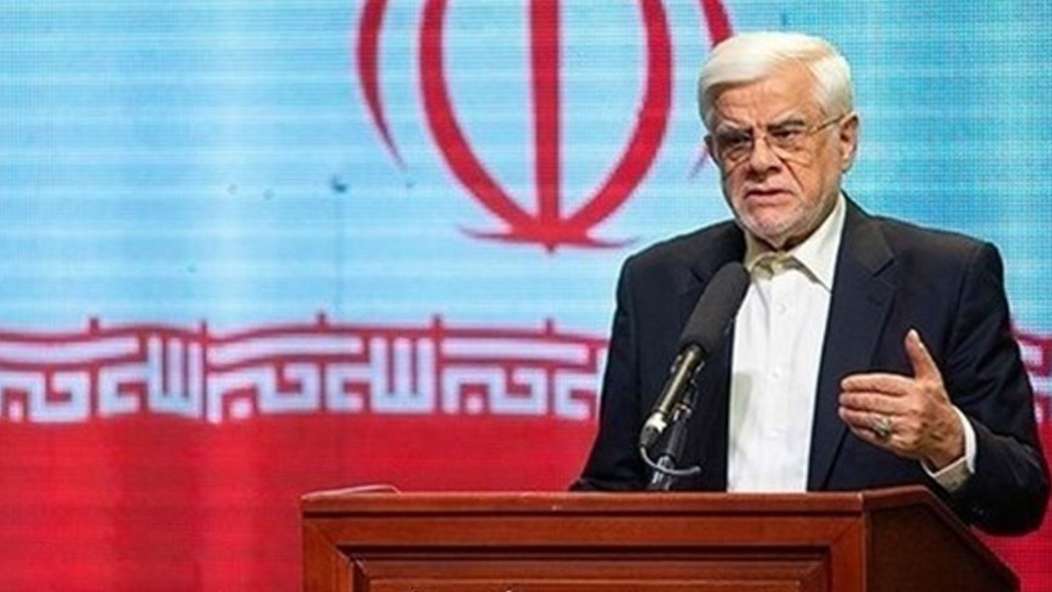

Iran’s Vice President Mohammad Reza Aref has said that a possible deal with the United States depends on Washington adopting an “America First” approach instead of an “Israel First” policy.
His statement came just before crucial ceasefire talks between Iran and the US, scheduled to take place in Islamabad. These negotiations aim to bring an end to the ongoing conflict in West Asia.
High-Level Delegations Arrive in Islamabad
Pakistan is hosting the high-stakes discussions, with senior leaders from both sides already present. The Iranian delegation is being led by Mohammad Bagher Ghalibaf, while the US team is headed by Vice President JD Vance.
The talks are expected to begin indirectly, with both delegations placed in separate rooms while Pakistani officials act as mediators.
Strong Warning from Tehran
Aref made it clear that Iran’s stance would depend on the approach taken by the US negotiators. He warned that if Washington prioritises Israel’s interests, Tehran would walk away from the talks and intensify its response.
“If we negotiate in Islamabad with representatives of ‘America First,’ an agreement beneficial to both sides and the world is probable. However, if we face representatives of ‘Israel First,’ there will be no deal; we will inevitably continue our defence even more vigorously than before, and the world will face greater costs," he said on X.
Background of the Conflict
The current tensions began on February 28, when the United States and Israel launched strikes on Iran. The attacks reportedly killed several senior officials, including Supreme Leader Ali Khamenei.
The conflict led to rising energy prices, disrupted global travel, and heightened security concerns across Gulf nations. A temporary pause in fighting was later announced by US President Donald Trump, allowing space for negotiations.
Key Disagreements Remain
Despite the ceasefire, major issues continue to divide both sides. One major sticking point is Lebanon. Iran insists that any agreement must include a halt to Israeli strikes in Lebanon, a demand that both the US and Israel have rejected.
Another critical issue is Iran’s nuclear programme. The United States maintains that Iran must not develop nuclear weapons and has called for the removal of its stockpile of highly enriched uranium.
Iran, however, continues to insist that its nuclear programme is for peaceful purposes. Trump has said the US is willing to work with Iran to remove the uranium, but Tehran has not officially agreed to this proposal.
US Delegation and Pakistan’s Role
JD Vance has already reached Islamabad along with Jared Kushner and Steve Witkoff. They were received by Pakistan’s Army Chief Asim Munir, Interior Minister Mohsin Naqvi, and Foreign Minister Ishaq Dar.
Pakistan is playing a key mediating role, facilitating communication between the two sides during the talks.
Rising Human Cost of Conflict
The ongoing conflict has caused heavy casualties. According to a senior Iranian military official quoted by state media, more than 3,000 people have been killed in Iran. However, the government has not released an official death toll.