
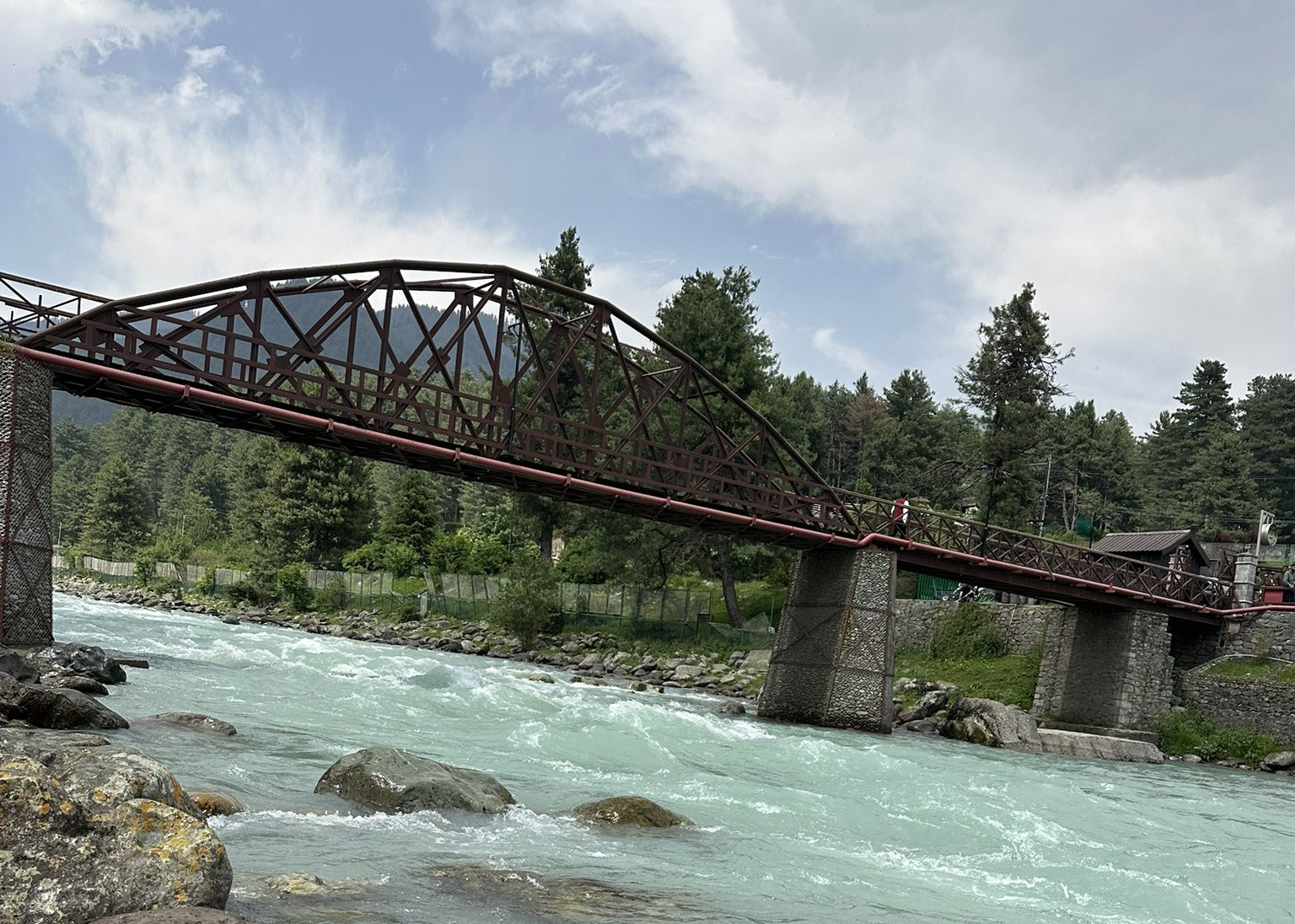

The fog over the Lidder River this April feels slightly different. After the attacks that sent shockwaves across the Himalayas, especially in Pahalgam in Jammu and Kashmir, the tourism cycle is, in simple terms, slowly coming back to life. Yet, the effects of 2025 still linger—not only in heightened security but also in the numbers.
Tourism Numbers Reflect a Slow Recovery
Between May 2025 and April 2026, Pahalgam recorded approximately 4.51 lakh domestic tourists. While this might seem like a success for many destinations, for the region it marks a sharp 65% to 70% decline compared to the usual 1.5 million annual visitors. The Valley continues to endure this phase with patience.
Livelihoods Still Under Strain
For those whose livelihoods depend on visiting tourists, the past year has been about survival. Md Ashu Darr, a local cab operator from Sonamarg, describes the shift after the 2025 Pahalgam attack: “Things are not exactly as they were, but they have improved. Tours to Sonamarg and Pahalgam are being booked again. Last year was difficult for all of us, and while movement has resumed, recovery will take time.”
Restricted Zones and Ground-Level Impact
For others, bureaucratic hurdles and restricted zones continue to slow recovery. In Aharbal, where the well-known waterfall usually attracts large crowds, the mood remains subdued. Local reports highlight how keeping popular sites closed has directly impacted drivers and small businesses.
Baisaran Valley: The Unseen Paradise
The biggest challenge to Pahalgam’s full revival is its most iconic site, Baisaran Valley, often called “Mini Switzerland.” The meadow has largely remained closed since the attack. “Our work has dropped to around 60 per cent,” said Gulzar Ahmad, vice president of Taxi Stand Number 1, which operates around 600 cabs, alongside another stand with about 250 vehicles.
Tourist Sentiment and Economic Ripple Effect
Nearly every visitor to the Valley hopes to experience the meadows, and many feel disappointed upon learning they remain inaccessible. This has a direct financial impact. Reports indicate that a ponywala now earns only ₹500 to ₹600 a day—a small fraction of peak-season income.
Faith Tourism Keeps the Spirit Alive
While leisure tourism slowed, the spiritual rhythm of the Valley remained resilient. During the Amarnath Yatra, people continued to arrive in large numbers. Ravi Dutt, a retired school teacher who organised a bhandara, recalls, “It was encouraging to see people return. Lakhs travelled via Baltal and Pahalgam. Despite everything, they were determined not to let this affect their pilgrimage or their connection to Kashmir.”
New Measures to Rebuild Trust
To restore confidence, the administration has introduced a QR code-based identification system. This applies not only to hotels but also to ponywalas, vendors, and hawkers. Tourists can scan these codes to verify identities, helping prevent unauthorised access to tourist areas.
Hope on the Horizon
There is cautious optimism. Chief Minister Omar Abdullah informed the J&K Assembly on February 19 that all 48 tourist sites are expected to reopen by May 2026. So far, 41 sites have resumed operations in phases, while the remaining seven—including sensitive locations like Baisaran—await final security clearance.
Looking Ahead to Summer Revival
As the Valley prepares for the upcoming summer season, the emphasis remains on strong security measures. Locals hope that as the snow fully melts, the beloved “Mini Switzerland” will once again welcome visitors from across the world.