

The UK government firmly rejected any idea of giving up sovereignty over the Falkland Islands. This response followed a leaked Pentagon email that suggested the United States should reconsider its support for Britain’s claim. The proposal reportedly linked this shift to Britain’s limited backing of Washington’s military stance on Iran.
According to a Reuters report, the internal memo outlined ways for the Trump administration to pressure Britain. For example, it suggested reviewing US support for European claims over long-held “imperial possessions.” Notably, the document directly mentioned the Falkland Islands, which were the focus of a war between Britain and Argentina in 1982.
Tensions Rise Ahead of State Visit
Meanwhile, the timing of the leak has raised concerns. It comes just before a three-day state visit by King Charles III to the United States. As a result, the report triggered strong reactions across the UK. Government officials, opposition leaders, veterans, and Falkland Islands representatives quickly criticised the suggestion. Many observers now see this as a sign of worsening UK-US relations.
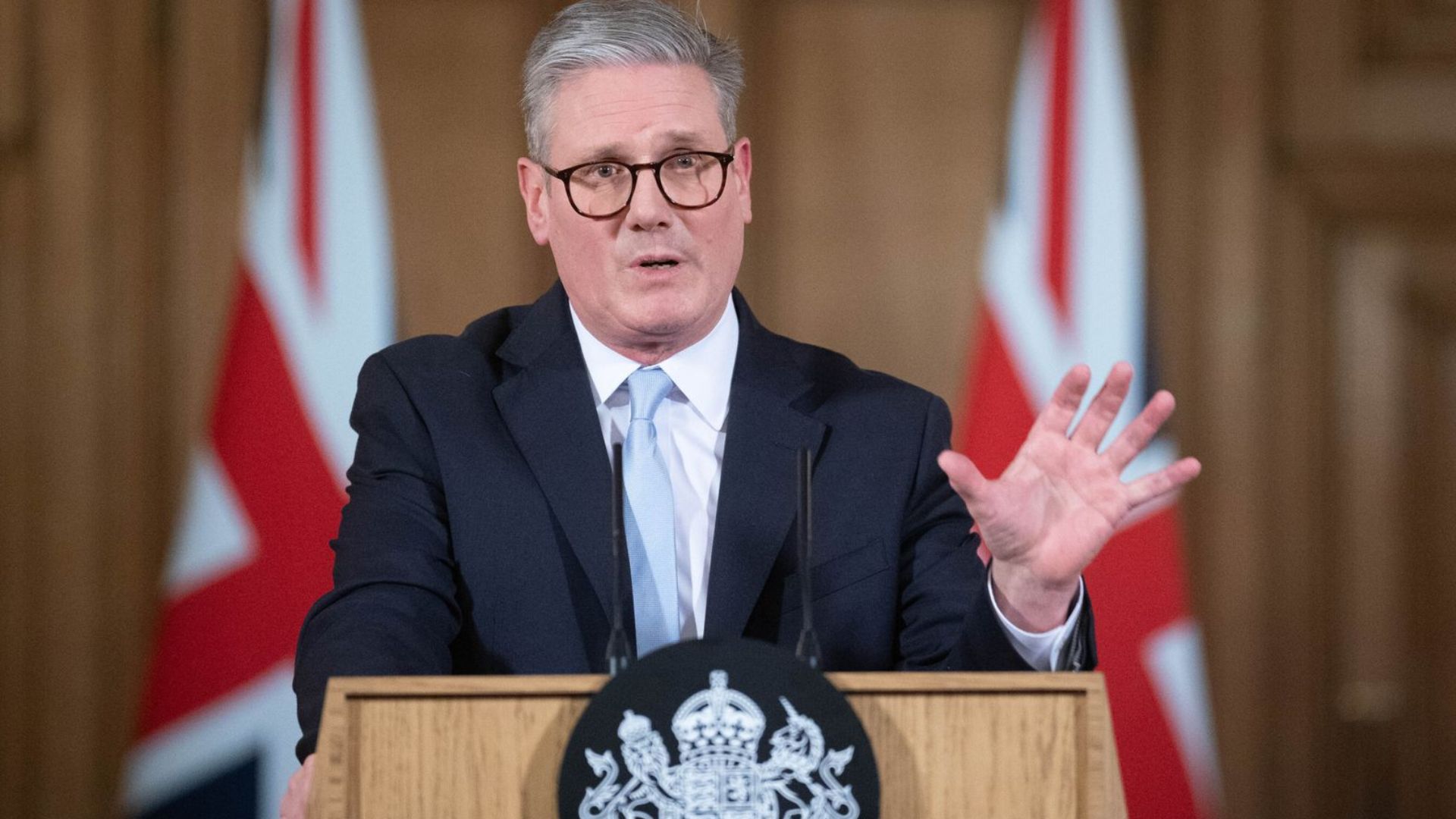
“We could not be clearer about the UK’s position on the Falkland Islands,” The Guardian quoted the prime minister’s spokesperson as saying. “It’s longstanding. It’s unchanged. Sovereignty rests with the UK, and the islands’ right to self-determination is paramount,” the spokesperson added. Although the proposal remains unclear and unofficial, it appears to have been designed to provoke a response. In fact, memories of the 1982 war still shape public opinion in the UK.
Background of the Falklands Conflict
To understand the issue, it is important to recall the 1982 war. Britain regained control of the Falkland Islands in June 1982 after a 74-day conflict with Argentina. The war caused heavy losses. It killed 255 British personnel, 649 Argentine soldiers, and three islanders.
At that time, the United States quietly supported Britain. It provided intelligence and military supplies, including Stinger missiles, even though the outcome was uncertain after Argentina’s invasion.
Today, Argentina still claims the islands. Under President Javier Milei, Buenos Aires continues to challenge British control. Geographically, the islands lie about 8,000 miles from Britain and only 300 miles from Argentina.
UK Leaders Show Unity
Across political lines, UK leaders strongly defended the country’s position. Conservative leader Kemi Badenoch called the Falklands “British territory.” Similarly, Reform UK leader Nigel Farage described their status as “non-negotiable.” However, Liberal Democrat leader Ed Davey took a tougher stance. He urged the government to cancel the king’s US visit. “This unreliable, damaging president cannot keep insulting our country,” he told The Guardian.
Visit Continues Despite Strain
Nevertheless, the visit will go ahead as planned. King Charles III and Queen Camilla are set to arrive in Washington on Monday. During the trip, the king will address both houses of Congress. He will also attend a state dinner hosted by US President Donald Trump.
At the same time, concerns about the relationship continue to grow. A UK parliamentary committee warned that ties are “under greater strain today than at any point since the second world war.” In addition, committee chair George Robertson said Britain’s reliance on the US is “no longer tenable.”
Government Tries to Ease Concerns
Despite rising tensions, the UK government has tried to calm the situation. A spokesperson for Prime Minister Keir Starmer highlighted the strength of the partnership. “We have got one of the most important security and defence relationships, if not the closest, that the world has ever seen, and it continues.”
Islanders Back British Rule
Finally, the Falkland Islands government expressed full confidence in the UK. It pointed to the 2013 referendum results. In that vote, “99.8% of voters, on a turnout of 92%” chose to remain a British Overseas Territory.