
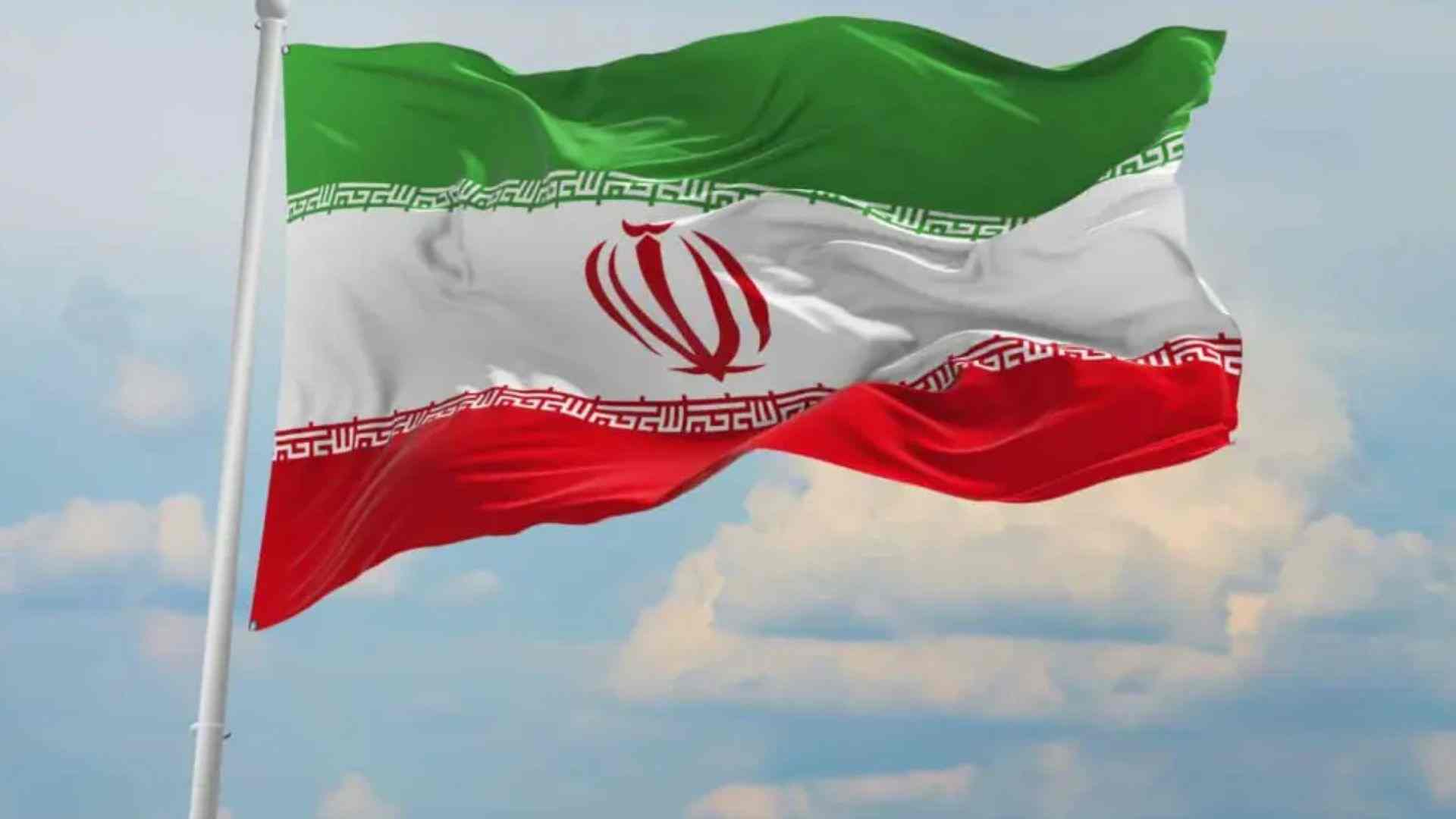

Tehran has sent a fresh proposal for negotiations with the United States through Pakistan, according to Iran’s state news agency IRNA. Although IRNA did not reveal details of the proposal, the development has raised hopes of breaking the current deadlock in efforts to end the Iran war.
Soon after the report, global oil prices dropped slightly. However, markets remain tense due to ongoing uncertainty.
Strait of Hormuz Blockade Hits Global Supply
The crisis has mainly stemmed from Iran’s blockade of the Strait of Hormuz, a crucial route for global energy supplies. This waterway usually carries about 20% of the world’s oil and gas. At the same time, the US Navy continues to block Iranian oil exports.
As a result, energy prices have surged, and fears of a global economic slowdown have increased. It remains unclear whether Iran’s latest proposal has reached Washington.
Ceasefire Holds but Tensions Persist
A ceasefire has been in place since 8 April. However, tensions remain high. Reports that Donald Trump could consider new military strikes against Iran pushed oil prices to a four-year high earlier.
Meanwhile, Iran has strengthened its air defences. According to sources, it expects a short but intense US strike, possibly followed by action from Israel.
Conflict Continues to Escalate
The conflict has already seen major military exchanges. After US and Israeli strikes on 28 February, Iran responded by targeting US bases, infrastructure, and companies in Gulf countries.
At the same time, the Iran-backed group Hezbollah launched missiles at Israel, which then carried out strikes in Lebanon.
Gulf Nations Voice Concern
Gulf countries have expressed concern about the situation. Anwar Gargash stressed the importance of international cooperation to ensure safe navigation in the Strait.
"And, of course, no unilateral Iranian arrangements can be trusted or relied upon following its treacherous aggression against all its neighbours," Gargash wrote.
US Faces Deadline Under War Powers Law
Meanwhile, President Trump faces a deadline under the War Powers Resolution to either end the war or seek approval from Congress to continue it.
However, officials suggest that the deadline may pass without major changes. They argue that the April ceasefire could be considered a pause in hostilities.
Oil Markets React to Uncertainty
Financial and energy markets continue to remain unstable due to uncertainty around negotiations and the possible long-term closure of the Strait of Hormuz.
Global benchmark Brent crude prices dropped slightly after the IRNA report. Still, prices remain high overall after reaching their highest level since March 2022 earlier this week.
Iran Warns Against Quick Expectations
Iran has cautioned that progress in talks may take time. Foreign Ministry spokesman Esmaeil Baghaei warned against expecting fast results. At the same time, Iran’s Revolutionary Guards issued strong warnings. A senior official said any new US attack would lead to “long and painful strikes” on US positions.
Aerospace Force Commander Majid Mousavi also warned: “We've seen what happened to your regional bases, we will see the same thing happen to your warships.”
Trump Stands Firm on Nuclear Issue
President Trump repeated that Iran would not be allowed to develop nuclear weapons. He also said fuel prices would “drop like a rock” once the war ends.
However, Iran continues to insist that its nuclear programme is only for civilian use.
Economic Pressure Mounts on Iran
The conflict has worsened Iran’s economic situation. Despite this, the country appears capable of continuing the standoff for now, even with restrictions on its oil exports.
US Considers Next Steps
Reports suggest that the US is exploring multiple options. One plan involves using ground forces to take control of parts of the Strait to reopen shipping lanes.
Other options include extending the blockade or declaring victory. At the same time, the US State Department has proposed forming a new coalition called the Maritime Freedom Construct to protect shipping in the region.
Countries like France and Britain have discussed joining such efforts. However, they have indicated they would act only after the conflict ends.