
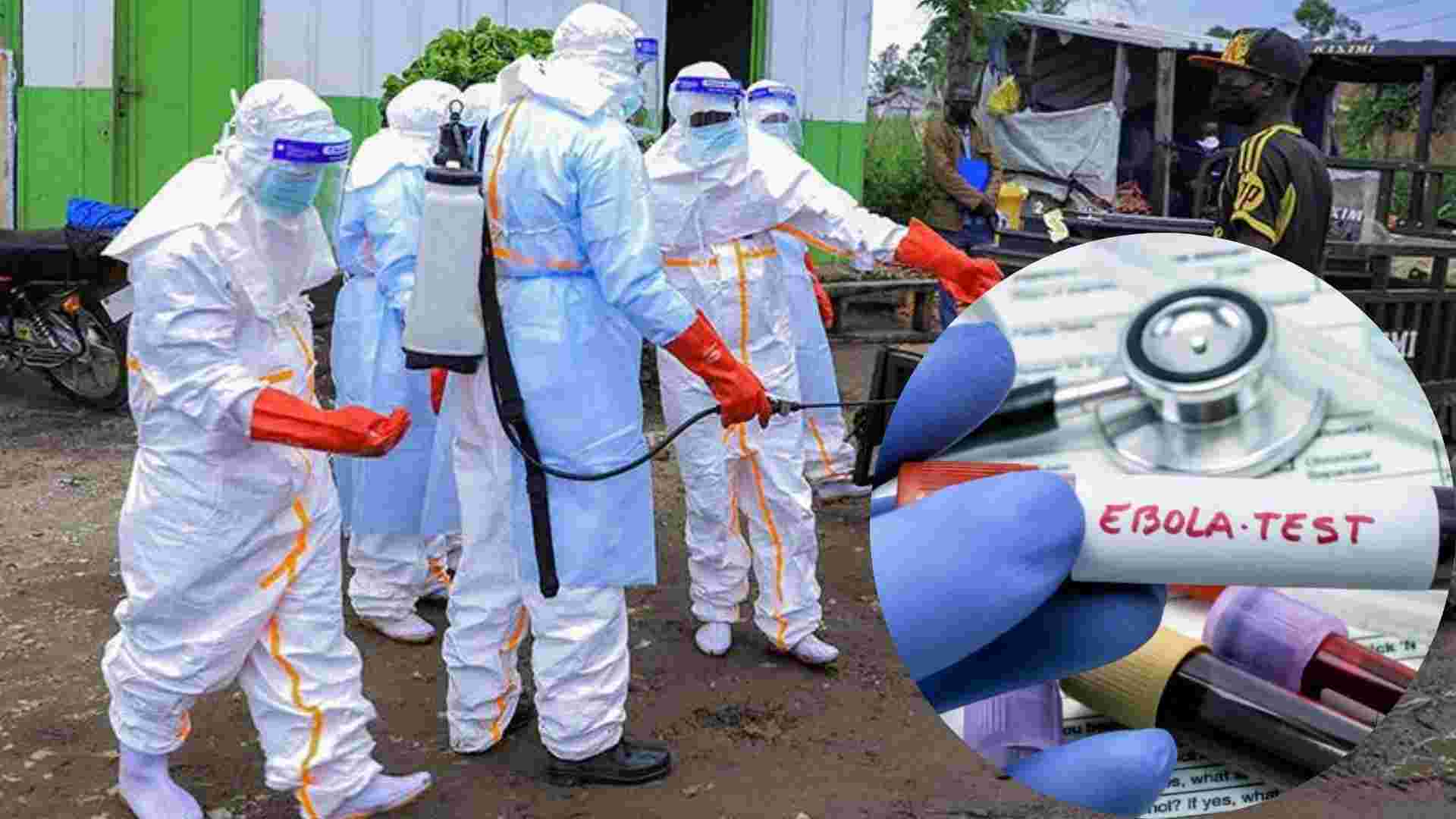

The Union Ministry of Health and Family Welfare on Sunday advised Indian citizens to avoid non-essential travel to Ebola-affected countries, including the Democratic Republic of the Congo (DRC), Uganda and South Sudan. The advisory came after the World Health Organization (WHO) declared the Ebola outbreak a Public Health Emergency of International Concern (PHEIC).
The ministry said WHO declared the emergency under the International Health Regulations (IHR), 2005, following the spread of Ebola cases in the DRC and Uganda.
“In light of the reported outbreaks of Ebola Disease in the Democratic Republic of the Congo (DRC) and Uganda, the World Health Organization (WHO), under the International Health Regulations (IHR), 2005, on May 17, 2026, determined the situation to be a Public Health Emergency of International Concern (PHEIC),” the health ministry said in a statement on Sunday.
Africa CDC Declares Continental Emergency
The Africa Centres for Disease Control and Prevention (Africa CDC) also declared the outbreak a Public Health Emergency of Continental Security (PHECS).
The outbreak involves the Bundibugyo strain of the Ebola virus. The disease continues to spread in the Democratic Republic of the Congo and Uganda.
WHO Tightens Surveillance Measures
The WHO International Health Regulation Emergency Committee issued temporary recommendations on May 22. It asked countries to strengthen health checks at airports and border entry points.
The committee urged authorities to “detect, assess, report and manage travellers with unexplained febrile illness arriving from areas with documented Bundibugyo virus detection”. It also recommended “discouraging travel to areas with documented Bundibugyo virus detection”.
Countries are now increasing monitoring measures to stop the spread of the disease.
Hundreds of Cases Reported
According to WHO, the Democratic Republic of the Congo reported 746 suspected Ebola cases and 176 deaths among suspected patients as of May 21.
Authorities have confirmed 85 Ebola cases across the DRC and Uganda so far. Uganda reported two confirmed cases. Officials also confirmed 10 deaths, including one in Uganda.
WHO warned that neighbouring countries, including South Sudan, face a high risk of transmission.
No Approved Vaccine Yet
Ebola Disease is a serious viral haemorrhagic fever caused by the Bundibugyo strain of the Ebola virus. The disease has a high death rate. Health officials said no approved vaccine or specific treatment currently exists for Ebola caused by the Bundibugyo strain.
India Reports No Cases
The Indian government said the country has not reported any Ebola case linked to the Bundibugyo strain so far.
“In view of the evolving situation in the Democratic Republic of the Congo and other affected countries, and in line with WHO’s recommendations, Government of India advises all Indian citizens to avoid non-essential travel to the Democratic Republic of the Congo, Uganda and South Sudan until further notice,” the statement said.
The ministry also advised Indians living in or travelling to these countries to remain alert and follow local health guidelines carefully.
“Indian citizens currently residing in or travelling to these countries are advised to strictly follow public health guidance issued by local authorities and maintain heightened precautions,” it added.