
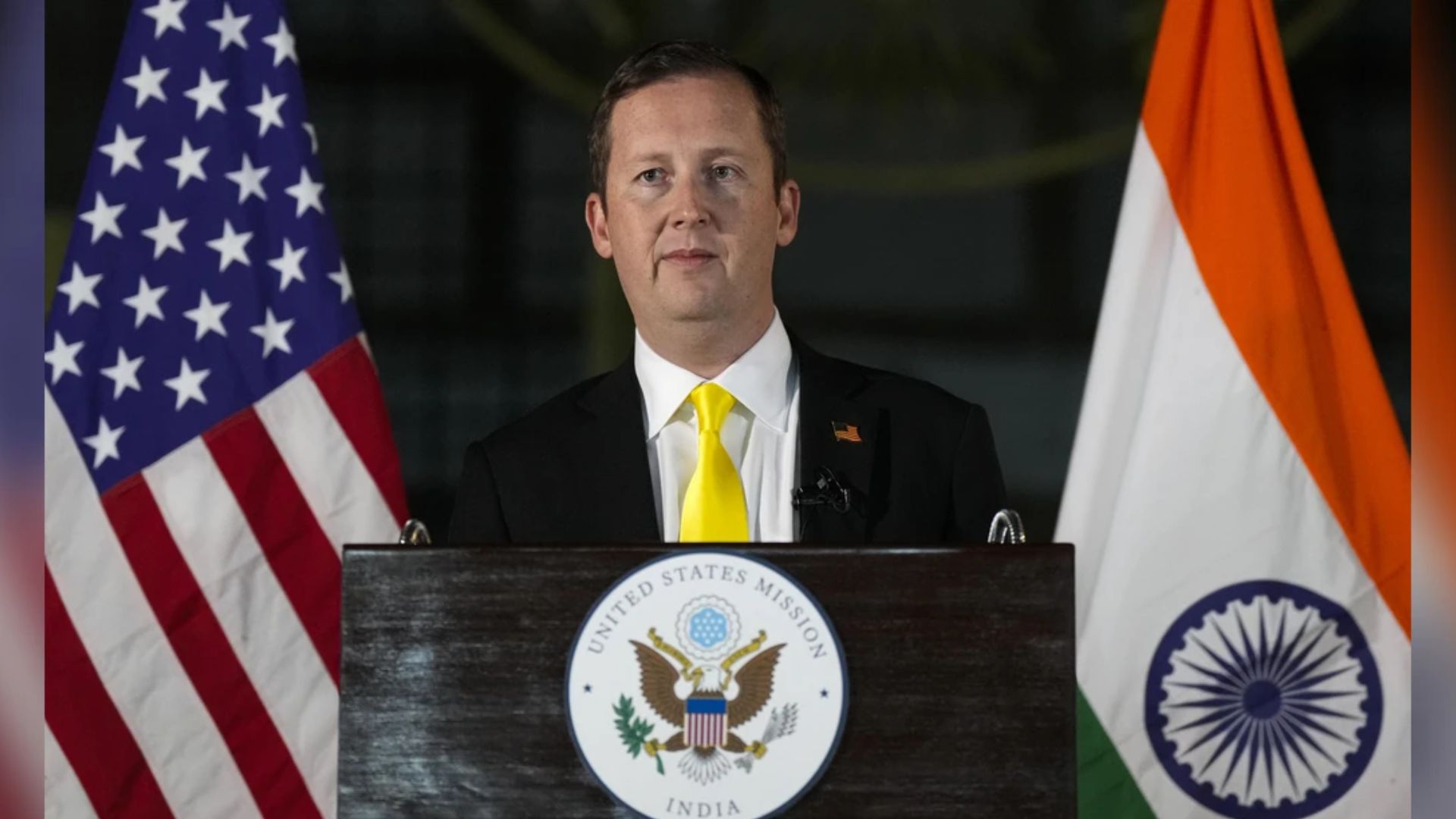

The proposed trade agreement between India and the United States has entered its final stage, with only 1 percent of the negotiations left to be completed. As a result, both countries are now working to conclude the deal in the coming weeks.
US ambassador Sergio Gor shared this update while speaking at the Indian Institute of Technology Delhi on Friday. During his address, he also called for deeper cooperation between India and the US in artificial intelligence, pharmaceuticals, quantum computing, critical minerals, and other advanced technologies.
Final Round of Talks Approaches
To move the process forward, a US delegation led by America's chief trade negotiator will visit India from June 1 to June 4. This visit follows discussions held in Washington in April, where Indian officials met their US counterparts to narrow the remaining differences.
Gor said the agreement is almost ready for completion. “Our current interim trade agreement is on the table for us to finalise and that will unlock prosperity for both of our countries… India had sent a team to Washington DC to finalise the last 1 % of that trade deal,” he said.
He also expressed confidence about the timeline for the agreement. “Next week, we will welcome a US delegation here to continue those talks. We fully expect that the trade deal will be signed over the next few weeks and months,” he added.
Trade Ties Have Grown Rapidly
Meanwhile, economic ties between the two countries have expanded significantly over the past two decades. According to Gor, bilateral trade in goods and services has increased from about $20 billion to more than $220 billion. Consequently, both nations now enjoy deeper economic integration and broader commercial engagement.
He also said that US President Donald Trump wants to create greater opportunities for American businesses and workers through stronger trade partnerships. Therefore, India remains one of Washington's most important trading partners.
Framework Already in Place
Earlier, on February 7, India and the United States announced a framework for an interim trade agreement. The framework focused on reciprocal and mutually beneficial trade while reaffirming both sides' commitment to a broader bilateral trade pact.
At the same time, people familiar with the negotiations said the Trump administration wants to finalize the agreement quickly. The US government reportedly hopes to secure a major economic achievement ahead of the November mid-term elections.
However, India continues to protect its domestic interests. Officials indicated that New Delhi is unlikely to accept provisions that could negatively affect local industries or farmers. In particular, India remains cautious about further opening its agricultural sector.
Pressure Mounts After Limited Progress With China
Additionally, the pressure on Washington has increased after Trump's recent visit to China failed to produce major economic agreements. According to sources, China gave no indication that it would significantly increase imports of US commodities such as soybeans. As a result, the administration now views the India trade deal as an even more important economic objective.
Key Issues Under Discussion
Currently, negotiators are focusing on several important areas, including:
- Market access
- Non-tariff barriers
- Customs procedures
- Trade facilitation
- Economic security cooperation
The commerce ministry said both countries are trying to finalize the interim agreement while simultaneously advancing negotiations on a broader trade framework.
Technology Becomes a Major Focus
Beyond trade, both countries are expanding cooperation in emerging technologies. Gor said innovation, investment, and high-value industries continue to drive the relationship forward. He highlighted digital trade, advanced manufacturing, energy, and emerging technologies as major areas of future growth.
Furthermore, he stressed the strategic importance of critical technologies. “I believe no partnership is better positioned to lead that charge than ours… I want us to be ambitious and shape the US-India relationship into the defining strategic partnership of the 21st century,” he said.
TRUST Initiative Strengthens Strategic Cooperation
To deepen cooperation, the Trump administration launched the TRUST initiative, which stands for "Transforming the Relationship Utilising Strategic Technologies."
Trump introduced the initiative during a meeting with Indian Prime Minister Narendra Modi shortly after beginning his second term. According to Gor, the initiative aims to encourage innovation among trusted partners while protecting sensitive technologies.
AI Chips and Data Centres Drive Collaboration
At the same time, both countries are making progress under their AI infrastructure roadmap. The US Department of Commerce has restored access to advanced AI chips for trusted partners, including India. In addition, the two countries are working together to establish new data centres in India.
They have also agreed to adapt regulatory frameworks to encourage innovation, attract investments, and strengthen technology supply chains through the Pax Silica initiative.
Pharmaceutical Partnership Continues to Expand
The pharmaceutical sector remains one of the strongest pillars of the relationship. Gor noted that the United States imports nearly 40 percent of its generic medicines from India. This, he said, reflects the high level of trust between the two countries.
Moreover, US diplomatic missions in India have helped secure $20.5 billion in new investments for the coming year. Notably, around $19 billion of that amount is expected to flow into the pharmaceutical industry.
Space Cooperation Gains Momentum
Meanwhile, cooperation in the space sector is growing rapidly. Gor said the partnership carries strategic importance because it helps address emerging security challenges, supports technological innovation, and provides a counterbalance to China's influence.
Export Controls Strengthen Trust
Finally, Gor praised India's efforts to modernize its export-control system. He said Washington has also adjusted its export-control policies to balance national security concerns with commercial opportunities. As a result, both countries can cooperate more effectively in advanced technology sectors.
“When both of our countries have strong aligned export control regimes, it creates the foundation for deeper technological cooperation,” he said. Overall, the near-completion of the trade agreement highlights the growing economic and strategic partnership between India and the United States. Both sides are now aiming to unlock new opportunities in trade, technology, investment, and innovation.