
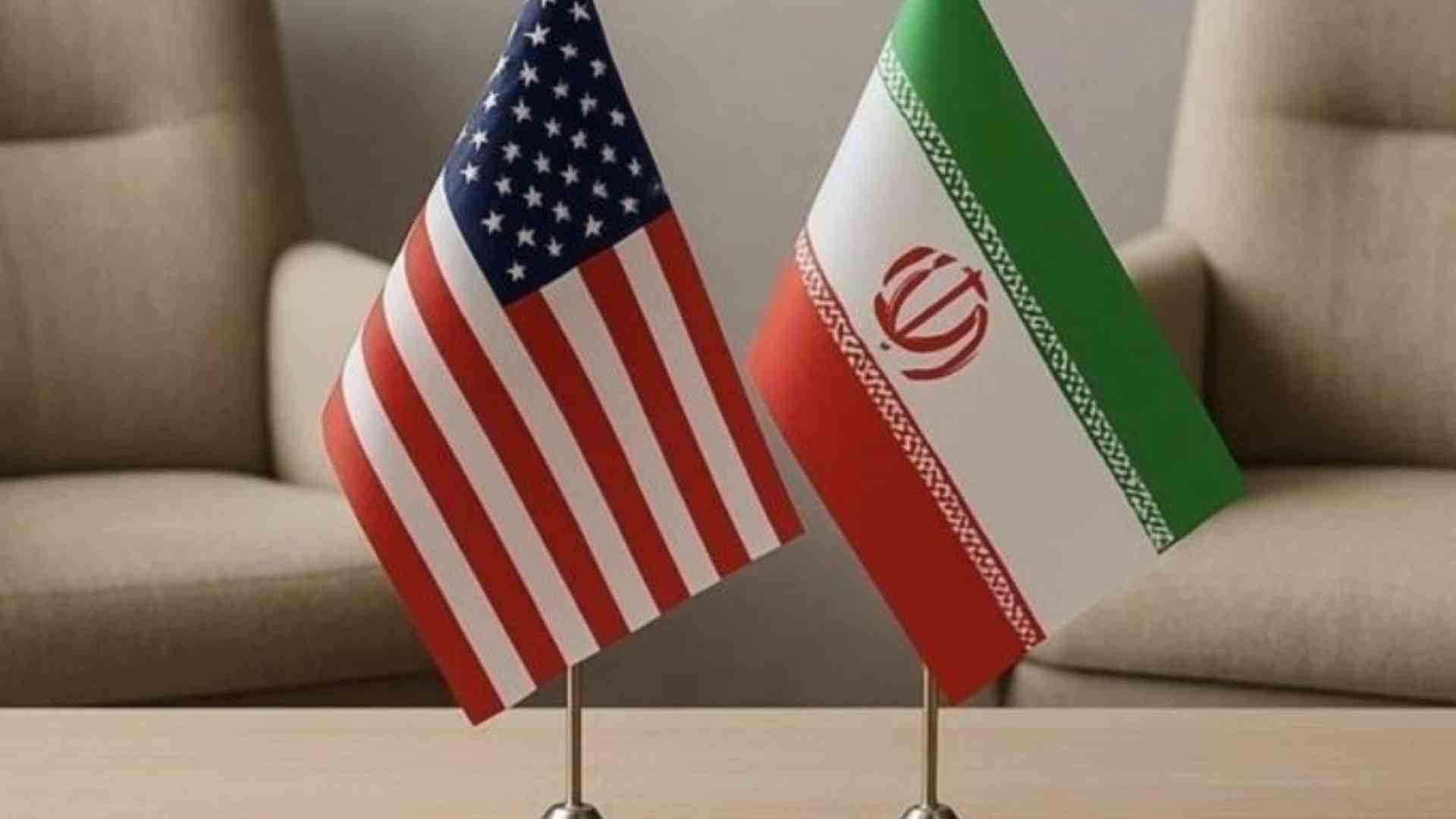

New details have emerged about a proposed deal between the United States and Iran as both sides continue efforts to ease tensions and end the conflict.
A senior Iranian official told Reuters that the draft memorandum requires Iran to commit that it will not produce or acquire nuclear weapons. The proposal aims to address concerns about Tehran's nuclear programme while also opening the door to sanctions relief and economic recovery.
Strait of Hormuz Could Reopen
The draft agreement includes a plan to reopen the Strait of Hormuz, one of the world's most important shipping routes. Under the proposal, Iran would immediately allow all commercial vessels to pass through the waterway. In return, the United States would lift its naval blockade.
The move could restore normal shipping activity and ease concerns in global energy markets.
Deal Addresses Enriched Uranium
The proposed framework also covers Iran's stockpile of highly enriched uranium. According to the Iranian official, Washington has agreed to let Tehran dilute the uranium inside Iran instead of removing it from the country.
Both sides would spend the next 60 days working out the details and implementation process.
Sanctions Relief Included
The draft memorandum offers significant economic incentives for Iran. The United States would temporarily waive oil sanctions, allowing Iran to restart oil exports and access the revenue generated from those sales.
The proposal also includes the release of frozen Iranian assets. According to the official, Washington would release $25 billion in Iranian funds through direct cash transfers, cooperation with regional partners and financial credit arrangements.
Qatar Continues Mediation Efforts
Qatar remains actively involved in the negotiations. A Qatari delegation arrived in Tehran on Sunday to discuss the latest developments in the talks. The delegation was led by an adviser to Qatar's Prime Minister and Foreign Minister Sheikh Mohammed bin Abdulrahman bin Jassim Al Thani.
Iranian media reported that the visit formed part of ongoing efforts to facilitate communication between Tehran and Washington.
Iran Says Talks Are Not Final Yet
Iranian Foreign Minister Abbas Araghchi said on Friday that Iran and the United States could announce an initial understanding within days. However, he stressed that negotiations are still ongoing.
Araghchi said both sides are reviewing a 14-point memorandum of understanding.
Two-Phase Process Planned
According to Araghchi, the proposed agreement would move forward in two stages. The first stage would involve signing an initial memorandum of understanding.
The second stage would include another round of negotiations lasting around 60 days. During that period, both countries would discuss sanctions relief, the nuclear programme, uranium enrichment, economic reconstruction and other major issues.
Araghchi also called for strong implementation guarantees. He said both sides must establish mechanisms that prevent future violations of the agreement.
Trump Predicts Imminent Signing
US President Donald Trump expressed optimism about the deal's progress. Posting on Truth Social on Saturday, Trump said the agreement is "scheduled to get signed tomorrow, and immediately after it is signed, the Hormuz Strait is OPEN TO ALL."
Trump also praised the proposed framework, calling it "A WALL TO NO NUCLEAR WEAPON."
He compared the proposal with the Joint Comprehensive Plan of Action (JCPOA), the nuclear agreement negotiated during former US President Barack Obama's administration.
Final Details Still Under Discussion
Negotiators appear to have made significant progress, but several issues remain unresolved. The draft agreement covers nuclear commitments, sanctions relief, oil exports, frozen assets and regional stability. However, both sides must still finalize key details before signing any formal agreement.
The next few days could determine whether the negotiations lead to a breakthrough in US-Iran relations.