
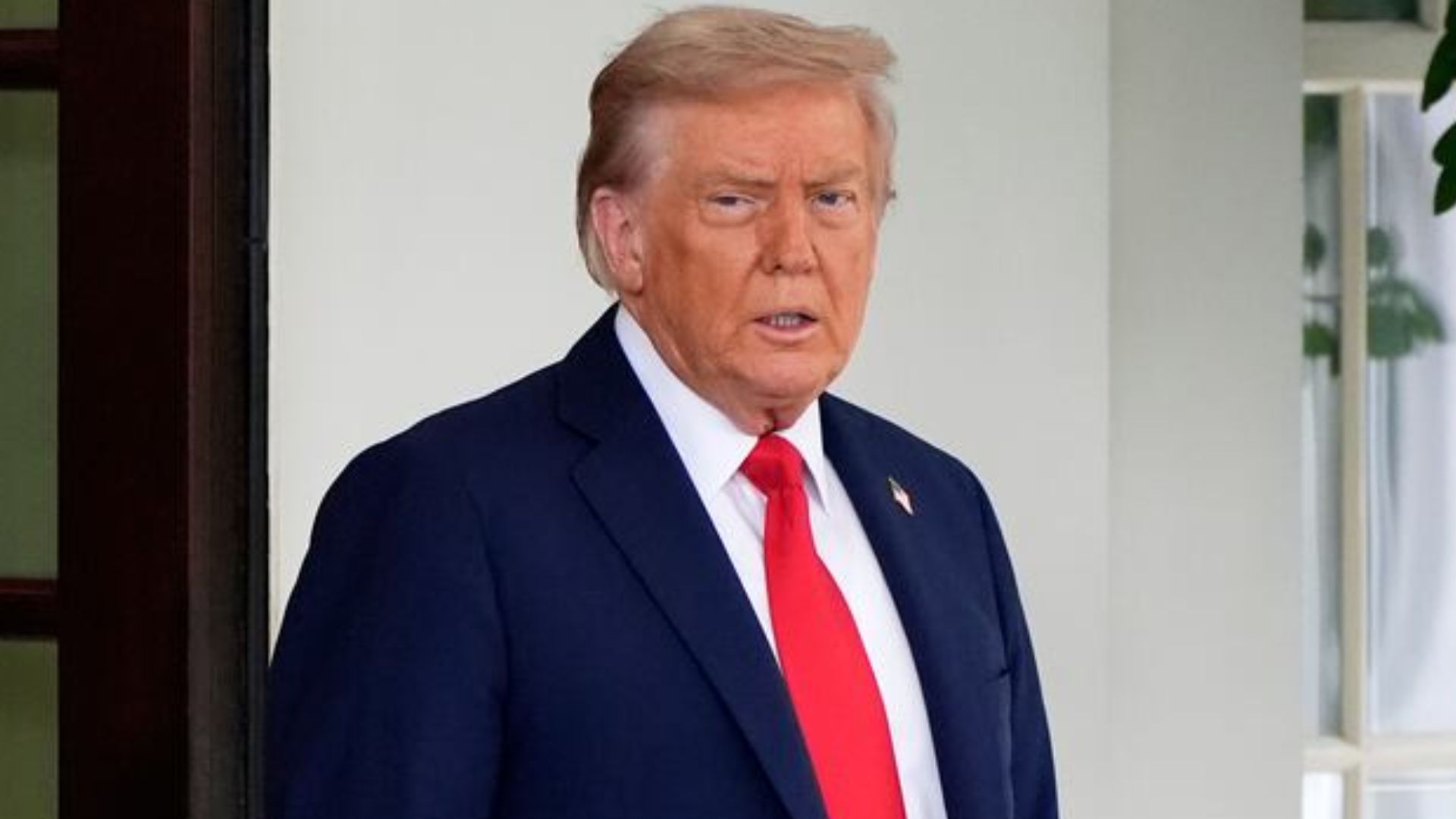

US President Donald Trump strongly defended his newly signed agreement with Iran on Thursday, rejecting claims that he had offered too many concessions to end the conflict. As preparations began for implementation talks in Switzerland, Trump argued that the agreement was already producing positive economic results.
The deal, signed by both Washington and Tehran, aims to end the recent Middle East conflict. Following the announcement, oil prices continued to decline, while hopes increased that shipping through the Strait of Hormuz would return to normal. However, both sides still face nearly two months of negotiations before the agreement is fully implemented.
Donald Trump and Masoud Pezeshkian Sign Historic Agreement
In a surprise development, Trump formally signed the agreement on Wednesday during a candlelit dinner with French President Emmanuel Macron at the Palace of Versailles outside Paris.
The signing came after days of uncertainty over when the accord, reached earlier this week, would be officially finalized. For Macron, hosting the ceremony at Versailles carried significant symbolic value. The palace famously hosted the signing of the treaty that ended World War I, making the event a major diplomatic success for the French leader shortly after the G7 summit.
As Trump signed the document in bold black ink, Macron reportedly shouted "bravo" in celebration. Iranian President Masoud Pezeshkian also signed the agreement. Iranian Foreign Ministry spokesman Esmaeil Baqaei confirmed the move and stated, "now it is time to test the implementation of the agreement".
Trump Responds to Critics of the US-Iran Agreement
Soon after the signing, Trump used social media to hit back at critics who argued that he had not taken a hard enough stance against Iran. The US president pointed to record highs in the stock market and falling oil prices as evidence that the agreement was benefiting the global economy.
In a strongly worded post, Trump wrote: "These fools, who think I haven't been tough enough on Iran, when the Stock Market Just Hit A RECORD HIGH, and Oil prices are 'tumbling' down, are either jealous, bad people, or stupid." His remarks highlighted the growing debate over whether the deal gives Iran too many benefits in exchange for ending hostilities.
Oil Prices Fall After US-Iran Deal Announcement
Global oil markets reacted positively to the agreement. Crude oil prices dropped by more than three percent on Thursday, extending losses that began after reports of the deal first emerged over the weekend. Investors welcomed the possibility of reduced geopolitical tensions and the reopening of vital shipping routes in the Middle East. The Strait of Hormuz, one of the world's most important energy corridors, experienced major disruptions during the conflict. Restrictions on maritime traffic pushed energy prices higher and raised concerns about global supply chains.
Strait of Hormuz Reopening Expected to Ease Market Concerns
The agreement includes plans for the reopening of the Strait of Hormuz, a critical route through which a significant share of the world's oil shipments passes. The disruption of traffic through the waterway during the conflict created uncertainty in energy markets and contributed to rising fuel prices. As tensions ease, traders expect improved shipping activity and greater stability in global energy supplies.
Switzerland Talks to Focus on Implementing the US-Iran Deal
Attention is now shifting to the next phase of the agreement. Officials from both countries are expected to meet in Switzerland to discuss how the accord will be implemented and monitored. These negotiations are expected to continue over the next two months. Both sides will need to address several technical and diplomatic issues before the agreement becomes fully operational.
US-Iran Deal Aims to End Recent Middle East Conflict
The agreement is designed to bring an end to the recent US-Israeli conflict with Iran, which triggered five weeks of intense fighting before a ceasefire was reached in early April. The conflict disrupted regional stability, affected international shipping, and increased pressure on global energy markets.
Supporters of the agreement view it as a major diplomatic breakthrough that could reduce tensions and improve economic stability. However, critics remain cautious and continue to question whether the deal can deliver lasting peace and prevent future confrontations in the region.