
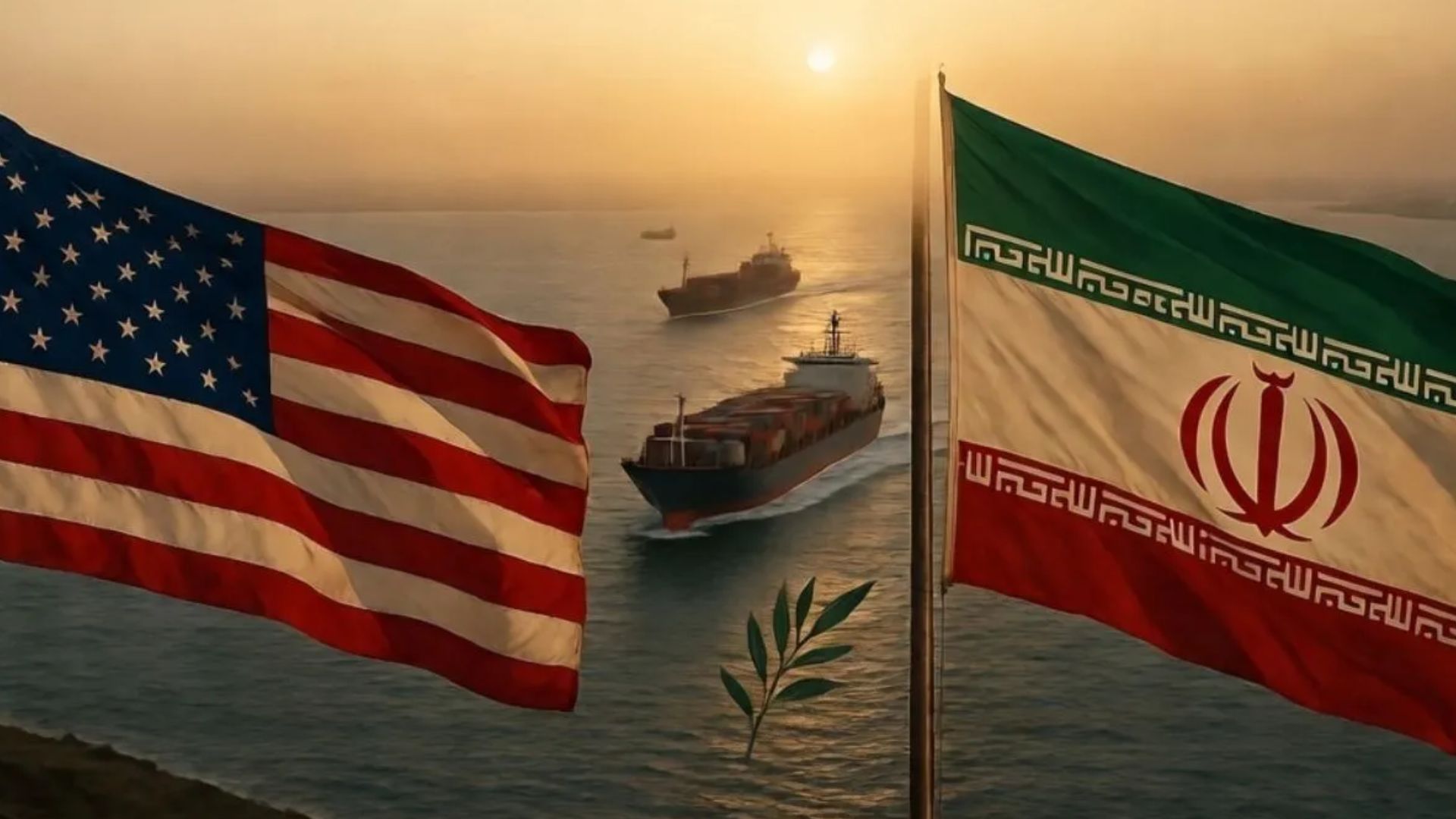

Iran on Monday accused the United States of "openly violating" the ceasefire agreement and announced that it would no longer implement the memorandum of understanding (MoU) signed between the two countries last month. The move marks a sharp decline in US-Iran relations as tensions continue to rise over the strategic Strait of Hormuz.
Donald Trump Announces New Measures for Strait of Hormuz
The announcement came hours after US President Donald Trump unveiled new measures aimed at increasing Washington's control over the Strait of Hormuz. The measures include restoring a naval blockade on Iranian ports and introducing a 20% charge on cargo passing through the vital waterway.
Earlier in the day, Trump said the United States was effectively "taking over" responsibility for protecting the Strait of Hormuz and would act as its "guardian." He argued that countries benefiting from the shipping route should contribute financially to its security.
Trump also said the US had protected the waterway for years without compensation and that wealthy nations relying on the route would now be expected to share the cost.
Why the Strait of Hormuz Matters
The latest developments have further escalated tensions surrounding the Strait of Hormuz, one of the world's most important maritime trade routes. Nearly one-quarter of global seaborne oil passes through the narrow waterway, making it crucial for international energy supplies and global trade. Any disruption in the strait has the potential to affect oil prices and international shipping.
Iran Says Ceasefire Agreement Is in Crisis
Speaking at a press conference, Iranian Foreign Ministry spokesperson Esmail Baghaei said the agreement with the United States had reached a critical stage because Washington had repeatedly failed to honour its commitments.
"There is no doubt that the agreement with the United States is in a state of crisis until the other party fulfills its responsibilities," Baghaei said. He also defended Iran's recent military actions against US targets in the region.
The ceasefire arrangement was formalised through an MoU signed last month. Officials from both countries later met in Switzerland to discuss ways to stabilise relations after months of confrontation.
However, tensions escalated again after attacks on three commercial vessels near the Strait of Hormuz on July 6. The incident triggered fresh military exchanges and diplomatic accusations between Tehran and Washington.
Iran Rejects Expanded US Role in Strait of Hormuz
Baghaei strongly criticised the growing US military role in the Strait of Hormuz. He argued that Washington's actions had increased instability instead of improving maritime security. "The United States has openly violated the ceasefire agreement. Intervention in Iranian arrangements in the Strait of Hormuz has created a renewed situation of insecurity," he said.
He also repeated Iran's position that Tehran has a legitimate responsibility for the security of the waterway. "We have emphasized that we will not allow the Strait of Hormuz to become a place for threatening Iran’s national security," he said.
Baghaei added that Iran remains committed to protecting international shipping. "We have sincerely and responsibly worked to ensure the security and safety of shipping in this route," he added.
Tehran Blames Washington for Gulf Instability
Iran also accused the United States of creating instability across the Gulf region. Baghaei rejected Washington's claim that its naval presence is necessary to protect commercial shipping. "The party that has constantly obstructed this route is America," he said. He argued that the US claim of escorting merchant ships showed its determination to maintain regional tensions. "The claim they make about escorting commercial ships itself confirms America’s insistence on perpetuating insecurity in the region," he said.
He warned that continued US actions would damage confidence among global shipping companies. "Such behaviors will certainly not create confidence in international shipping and will merely exacerbate the current situation and the prevailing insecurity in the region," Baghaei added.
Iran-US Talks Remain Uncertain
Baghaei also dismissed reports that a second round of negotiations between Iran and the United States could take place in Islamabad. He indicated that diplomatic efforts remain uncertain as both countries continue to disagree over alleged ceasefire violations, maritime security and control of the Strait of Hormuz.
The latest exchange of accusations highlights the rapid deterioration in relations between Tehran and Washington, with military tensions and diplomatic disputes continuing to grow over one of the world's most strategically important waterways.