
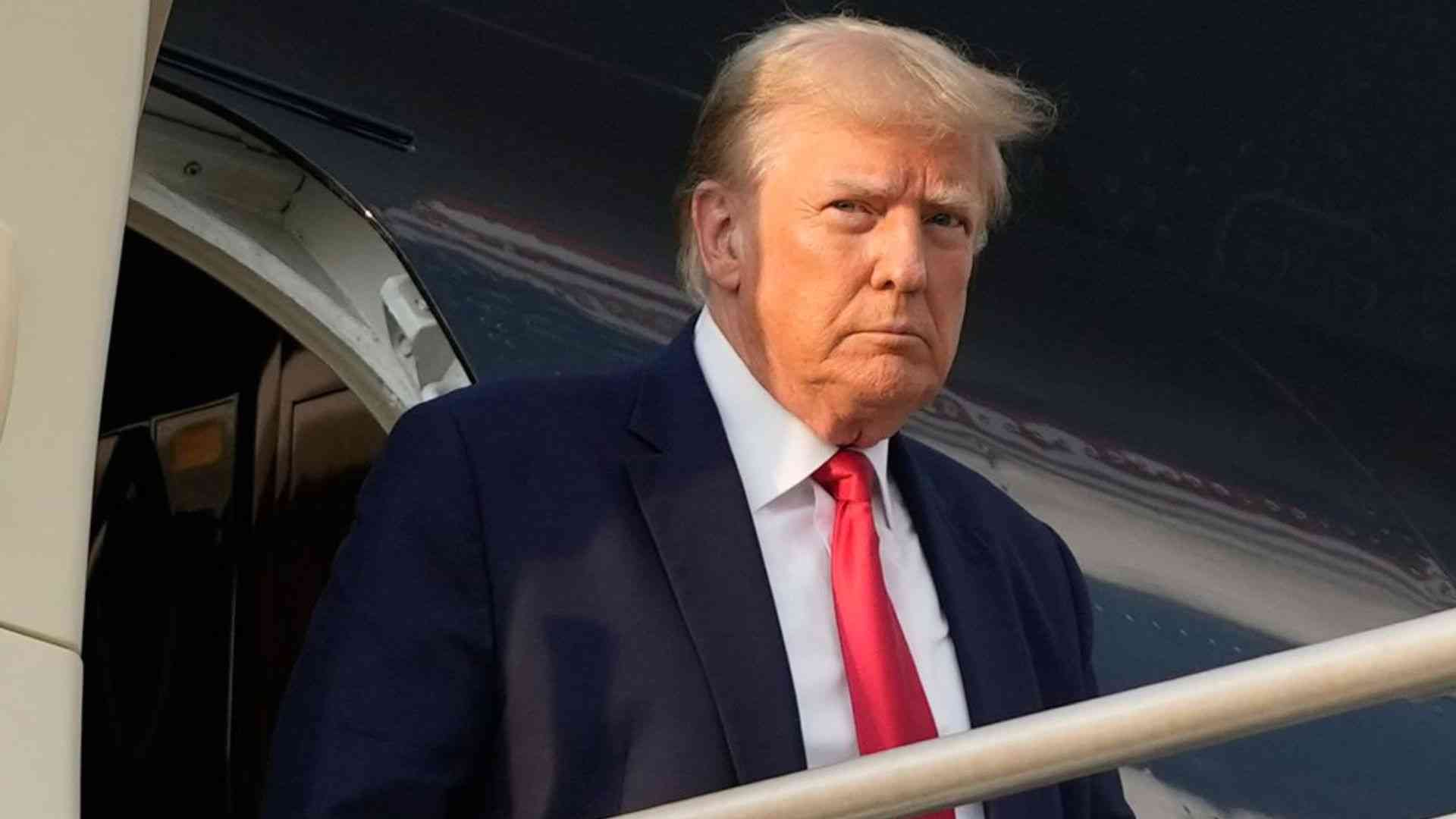

US President Donald Trump has said America's allies should pay for US military operations in West Asia. He argued that Washington should be reimbursed for protecting the region.
Speaking to reporters in the Oval Office as tensions with Iran continue to rise, Trump said the United States should not secure major shipping routes for free. He said the countries that benefit from American protection should share the cost.
Trump Calls for Financial Reimbursement
Reporters asked Trump who would pay for the continued deployment of US forces. He replied that the United States deserves compensation for its security role.
“I want to be reimbursed because we’re protecting a very rich portion of the world. We’re spending money. And so what we’ve done is we are going to be reimbursed for protection. We’re protecting by the countries that we’re helping."
Trump said America spends heavily to protect the region. He believes wealthy partner nations should cover those costs.
Strait of Hormuz Becomes the Focus
The Strait of Hormuz remains at the centre of the growing conflict between the United States and Iran. Around 20 per cent of the world's petroleum passes through this narrow waterway. Recent military clashes have increased tensions around the route. Trump responded by announcing a new security plan.
He said the United States would become “THE GUARDIAN OF THE HORMUZ STRAIT.” During an interview with Fox News, he also described America as the waterway's "guardian angel."
Trump Proposes a 20 Per Cent Protection Fee
Trump also proposed a new protection fee. He said all commercial cargo passing through the Strait of Hormuz should pay a 20 per cent charge. He said the money would help cover the cost of US military operations in the region.
At the same time, Trump announced the return of a selective "Iranian blockade." Under the plan, Iranian commercial ships would face restrictions. Ships from other countries could continue using the waterway if they paid the proposed fee.
Gulf Nations Express Concerns
Trump did not name specific countries during his Oval Office remarks. However, he has previously said Saudi Arabia, the United Arab Emirates, Qatar, Bahrain, Kuwait and Israel should contribute to regional security costs.
Reports suggest several Gulf Arab nations are unhappy with recent US military action against Iran. Diplomatic sources said these countries believe Washington launched strikes without proper consultation. They also fear they are now facing Iran's drone and missile attacks because of those actions.
Proposal Raises Legal Questions
Trump's plan has also sparked legal concerns. Experts say charging ships to pass through the Strait of Hormuz could violate long-standing international maritime rules. Those rules support free navigation through international waterways.
The proposal also marks a shift from previous US policy, which supported open access to global shipping routes without arbitrary transit fees.
Iran Rejects the Plan
Iran has dismissed Trump's proposal. The Islamic Revolutionary Guard Corps (IRGC) warned that shipping in the Gulf would remain at risk until the United States withdraws its military forces from the region.
The warning has increased concerns about possible disruptions to global oil supplies and international trade.
Trump Still Hopes for a Deal
Despite the rising conflict, Trump said diplomacy remains possible. “I think a deal is possible,” he told reporters. At the same time, he said the United States would continue striking Iranian targets “very heavy” until it achieves deterrence.