
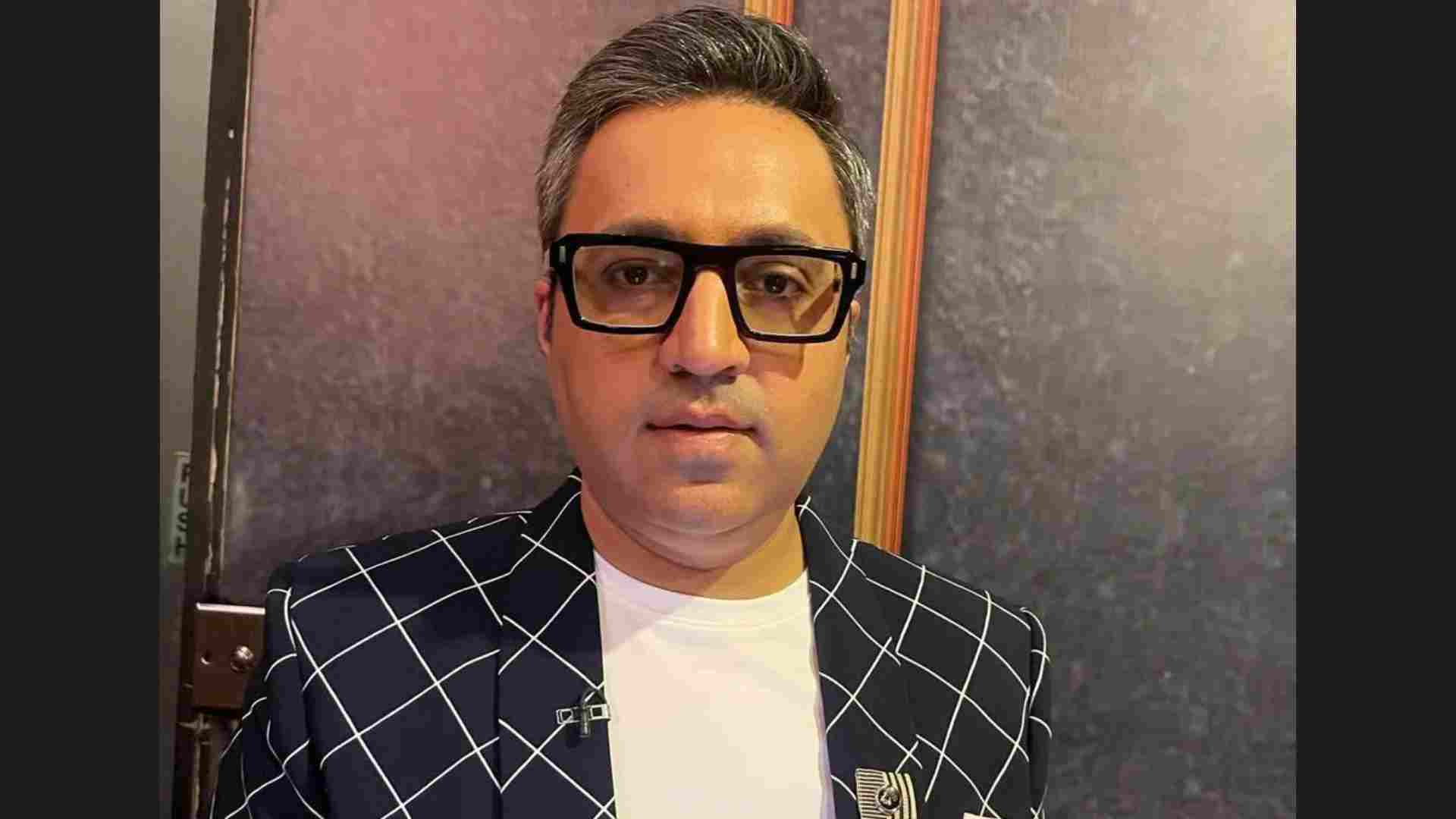

Entrepreneur Ashneer Grover on Tuesday questioned the decision to impose a merchant charge on UPI transactions above ₹2,000. He said the move could eventually affect consumers. The former BharatPe co-founder raised the issue during a television interview. He questioned the decision to charge merchants for accepting UPI payments above ₹2,000.
The government has clarified that person-to-person UPI payments will remain free. The rule will apply regardless of the transaction amount. Grover said authorities should call any levy on UPI payments a “tax”. He questioned the use of terms such as “charge” and Merchant Discount Rate (MDR).
In an interview with Times Now, Grover responded to the argument that only people who can “afford” the fee will pay it. He said: “Then call it tax. Why are you calling it a ‘charge’, ‘MDR’, or claiming that it won't affect the customer?".
Grover then gave an example to challenge the argument. He asked whether people would agree to pay ₹500 every month for breathing simply because they could “afford” it.
“Is there any logic to it?,” he asked.
A video of the interaction later went viral. MDR, or Merchant Discount Rate, refers to a fee charged within the digital payment system. The government has said that MDR is not a tax. It also said that the government and NPCI do not collect this money as tax revenue.
India mein koi 5 minutes number Google kar le to doodh ka doodh paani ka paani ho jaye.
— Ashneer Grover (@Ashneer_Grover) September 15, 2026
RBI surplus to Govt : ₹2.87 Lakh Crores (US$30 Bn)
Total listed bank profits : ₹4.11 Lakh Crores (US$42 Bn)
NPCI - which runs UPI pre tax ‘surplus’ : ₹ 1,888 crores (US$200 Mn)
To… https://t.co/jI1nHP0qVs