
JUSZnews

NEWS WITHOUT INTERRUPTION

Subscribe
Government Rejects Foreign Pressure Claims Over New UPI Charges
The government has rejected claims of foreign pressure over UPI charges, saying the new MDR framework aims to keep digital payments affordable, inclusive and self-sustaining.
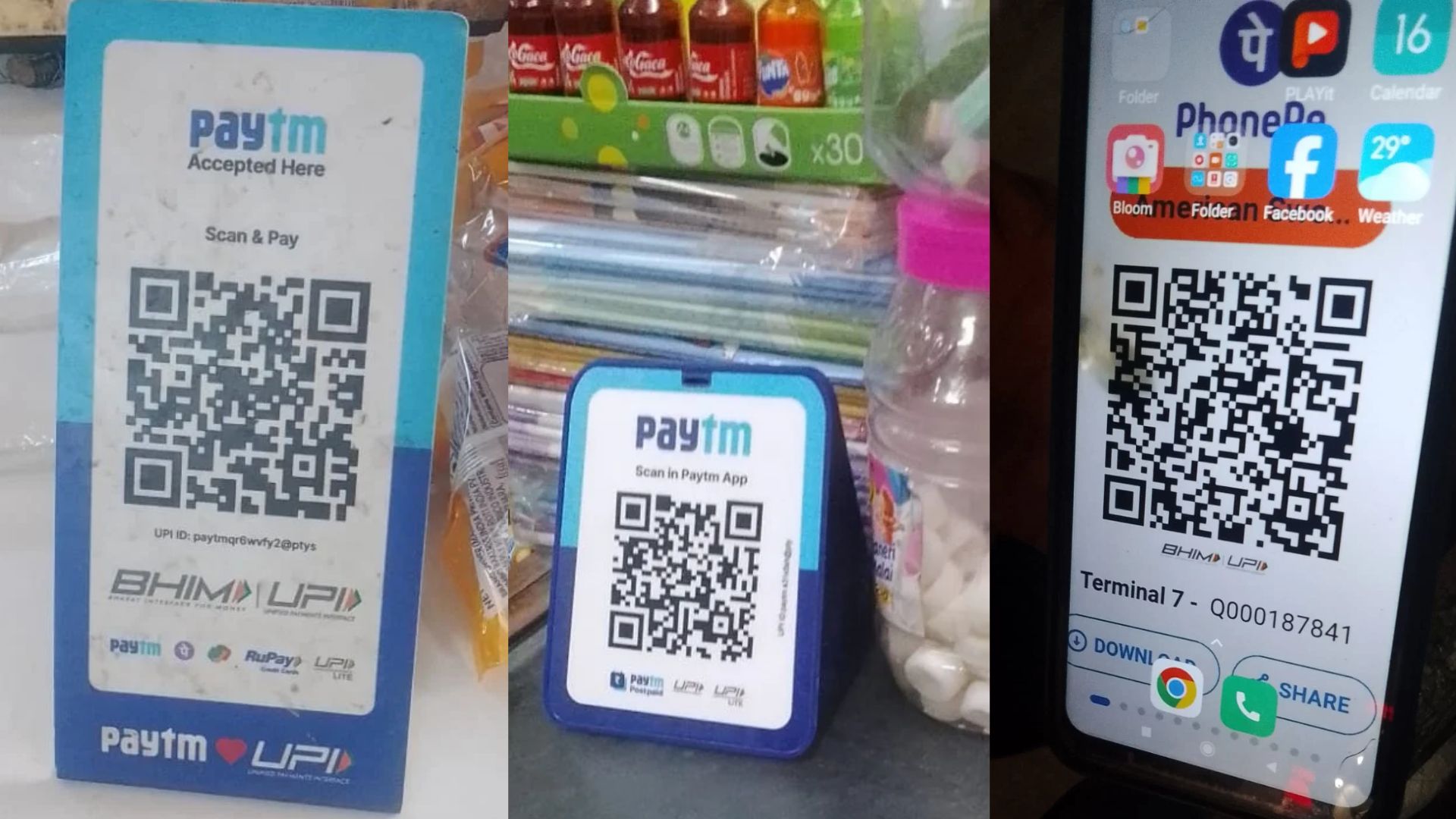
The government on Wednesday rejected claims that foreign pressure influenced its decision to introduce a Merchant Discount Rate (MDR) on certain merchant UPI payments. The move has drawn criticism from several opposition leaders, including the Congress. Critics have alleged that the government introduced the charge to benefit the United States and appease US President Donald Trump. The Finance Ministry denied these claims. In a post on X, it said India made the decision independently. The ministry said the new policy aims to create a digital payments system that remains self-sustaining, inclusive and affordable. “Some claims suggest the change is due to foreign influence. This is false. India’s UPI policy decisions are made independently, with the clear goal of building a self-sustaining, inclusive, and affordable digital payments ecosystem,” the Ministry of Finance said.

Rahul Gandhi Questions New UPI Charges

Congress leader Rahul Gandhi also criticised the government's decision on Wednesday. He accused the government of ‘lying down in front of US President Donald Trump’ by placing what he called a 'UPI tax' on ‘every single Indian person’. The government, however, said UPI will remain free for consumers under the new framework.

Key UPI Rules Explained by the Finance Ministry

The Finance Ministry highlighted several points about the new system. 1. Person-to-person payments remain free: Users will not pay any charge for person-to-person (P2P) UPI transfers. The rule will apply regardless of the transaction amount. 2. Small merchants remain protected: Merchants earning up to ₹1 lakh per month through UPI QR codes will continue to receive zero-charge transactions. 3. Most everyday payments remain free: More than 95% of merchant UPI payments are below ₹2,000. These transactions will continue without any charge. 4. 0.4% MDR on higher-value merchant payments: Merchant transactions above ₹2,000 will attract an MDR of 0.4%. Merchants will pay this fee. The government said the rate remains much lower than the charges applied to credit cards and other payment networks. 5. Essential services will have a ₹5 cap: The government has set a flat fee of ₹5 for transactions above ₹2,000 involving services such as railways, fuel, telecom, bill payments and insurance. 6. Lower rates for mutual funds and securities: Payments related to mutual funds and securities will attract an MDR of 0.02%. The government has capped the fee at ₹300 per transaction.

Government Says UPI Must Remain Sustainable

The government said it introduced the small fee on higher-value merchant transactions to support the long-term growth of the UPI system. It said the framework will help keep UPI secure, innovative and financially sustainable. “The new framework ensures resources from higher-value merchant transactions are reinvested to support small businesses and strengthen digital payments across the country,” the Ministry of Finance said.