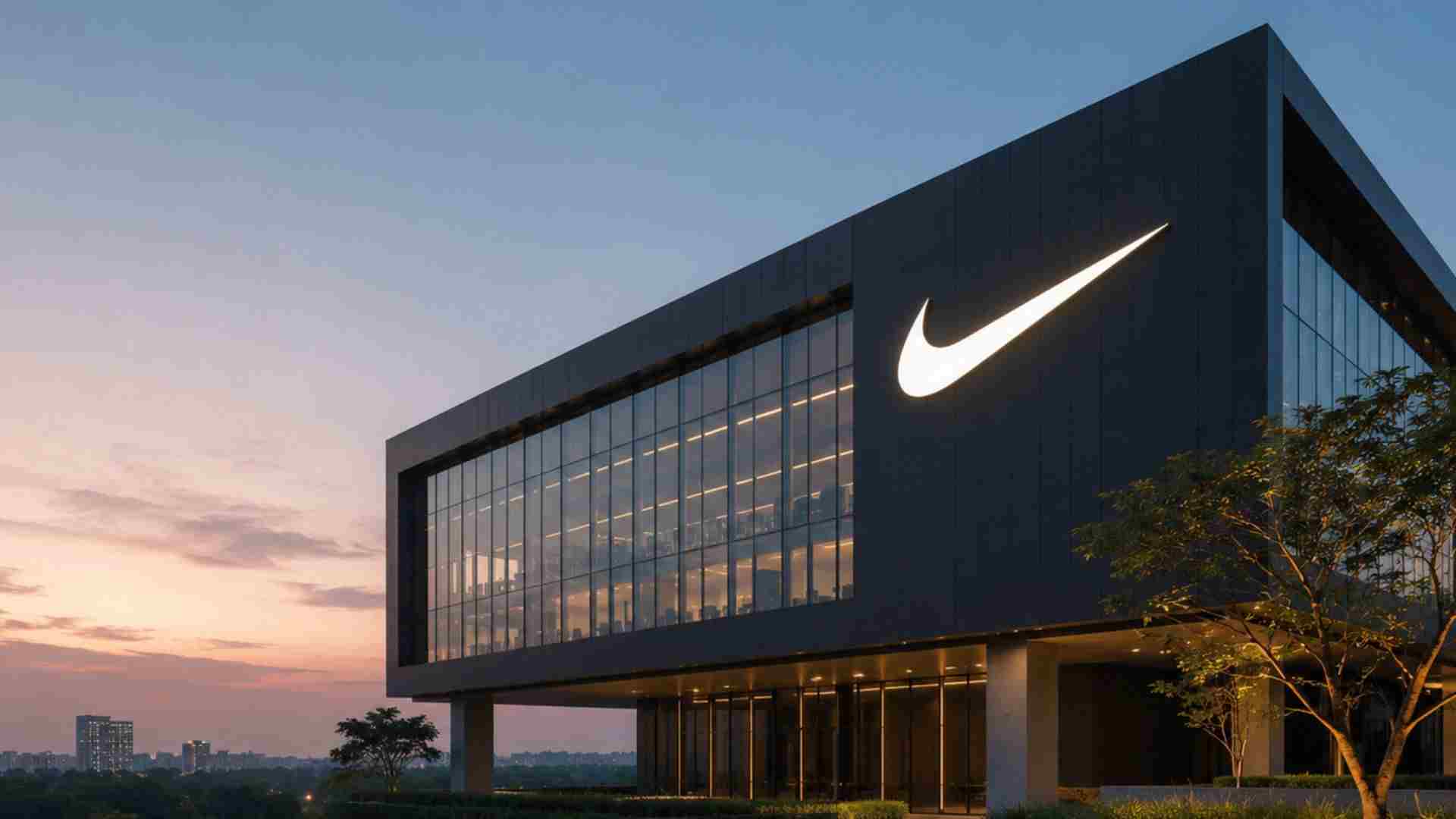
Nike is
cutting jobs, restructuring its global operations and warning investors about another major decline in sales. The company is also trying to fix problems that have developed over several years. Nike's revenue dropped 4 per cent to $11.2 billion in the quarter that ended on August 31. Profit also fell 2 per cent to $712 million.
Nike once followed a simple and highly successful formula. It made popular shoes, signed the biggest sports stars, created memorable advertising campaigns and placed the Swoosh everywhere. Its famous message was simple: "Just Do It". Today, that slogan carries a different meaning.
The bigger concern came from the company's outlook. Nike expects revenue for fiscal 2027 to decline by a high-single-digit percentage. Investors reacted negatively to the news. Nike shares fell as much as 8.5 per cent in extended trading after the results. The latest fall added to a much larger decline in the stock.
Nike has lost a huge amount of market value from its peak. Around $230 billion has been wiped from the company's market capitalisation. However, the falling share price is only a symptom of a deeper problem. The bigger question is simple: What went wrong with Nike?
Nike Struggles to Create Must-Have Products
Consumers have not stopped buying sportswear. The market remains active. Nike's bigger challenge is product demand. The company has struggled to launch enough products that consumers strongly want to buy. Nike says its performance business has started to improve. Running and several other sports categories are receiving more attention.
Its lifestyle business, however, remains under pressure. Nike Sportswear has struggled. The division includes some of Nike's biggest everyday shoes and clothing products. Jordan Brand also faces challenges. Converse has suffered an even sharper decline. Its revenue fell 28 per cent in the latest quarter. The brand has now recorded a long series of declines.
Nike once turned products such as the Air Force 1, Dunk, Air Jordan and Cortez into much more than sports shoes. Those products became fashion and cultural symbols.
That model now faces stronger competition. Consumer tastes are also changing. Brands such as On and Hoka have gained ground in running. Other footwear companies have also become more aggressive in the lifestyle market. Nike now has to compete harder for consumers' attention.
China Becomes a Major Challenge for Nike
China has become one of Nike's biggest problems. Revenue in Greater China fell 22 per cent in the latest quarter. The decline reached 26 per cent after adjusting for currency movements. The problem has continued for several quarters.
Local sportswear brands have become stronger in China. They have also changed the competitive environment for global brands such as Nike. Nike has struggled to keep pace with changing consumer preferences. Its previous distribution strategy has also lost some of its effectiveness.
Nike now plans to change that approach again. From January, the company plans to increase its control over online sales in China. It will reduce its dependence on some third-party digital channels. Nike wants greater control over how retailers present and sell its products.
However, the change could create short-term pressure. Companies can face disruption when they change distribution systems, especially when sales are already declining.
Nike Rethinks Its Direct-to-Consumer Strategy
Nike spent years expanding its direct-to-consumer business. The company reduced its dependence on wholesale retailers. That strategy helped Nike gain greater control over its stores, websites and customer relationships. However, the approach also reduced Nike's presence in some retail stores where consumers shop.
Nike has now started rebuilding relationships with wholesale partners. The latest numbers show why the company is changing course. North America grew 2 per cent in the latest quarter. Wholesale sales performed better in the region.
Nike Direct, however, fell 8 per cent. Digital sales dropped 13 per cent. Nike now needs both parts of its business. Its own stores and digital platforms remain important. But the company also needs major retail partners to reach customers.
The Nike Brand Faces a New Challenge
Nike also faces a less measurable problem. The company once dominated sports culture. Its biggest athletes became powerful marketing icons. Michael Jordan, for example, helped Nike turn basketball shoes into global cultural products. Nike's partnerships with major athletes also helped transform sports footwear into status symbols.
The market has changed. Consumers now have more brands to choose from. Many companies have built strong identities around specific sports and categories. Running has become especially competitive. Nike still has enormous global recognition. But strong recognition does not automatically create excitement around new products.
"A lack of standout new products and a shift in consumer tastes are factors behind Nike's slower recovery," a senior official from an Indian shoe brand told
NDTV.
Nike Announces Major Cost-Cutting Plan
Nike has launched a new operating transformation called Pace. The plan will change several parts of the company. Nike wants to restructure its supply chain and organisational system.
The company also plans to reduce the number of geographic divisions and cut its workforce. Nike expects Pace to deliver about $2.5 billion in cumulative savings through fiscal 2031. The restructuring will also bring significant costs. Nike expects around $1 billion in pre-tax charges. Most of those costs will relate to employees.
The company has said it will need fewer roles across its global operations. Nike expects to begin making decisions about affected positions in 2027. However, the company has not announced the final number of job cuts.
Nike Expands Its Presence in Bengaluru
Nike's restructuring will also involve a major investment outside its Oregon headquarters. The company plans to establish a new campus in Bengaluru. Nike describes the project as a long-term investment in talent and capabilities. The campus will support work across Nike, Jordan Brand and Converse. The move also reflects Nike's effort to place more capabilities and decision-making closer to important markets and talent centres.
Some Numbers Offer Hope
Nike still has areas showing improvement. North America continues to grow. The company's gross margin also improved to 42.8 per cent in the latest quarter. Nike reduced its inventory by 3 per cent year-on-year to $7.8 billion.
These developments show some progress. However, several major parts of the business remain weak. China continues to decline sharply. Sportswear sales remain under pressure. Jordan Brand needs a major reset.
Converse continues to shrink. Nike also expects full-year revenue to fall by a high-single-digit percentage. The company therefore faces a major turnaround challenge. According to an industry expert, "Nike built one of the world's most powerful consumer brands by repeatedly telling people to Just Do It. Now it has a different task. It has to figure out what to stop doing, what to undo, and what to do differently."