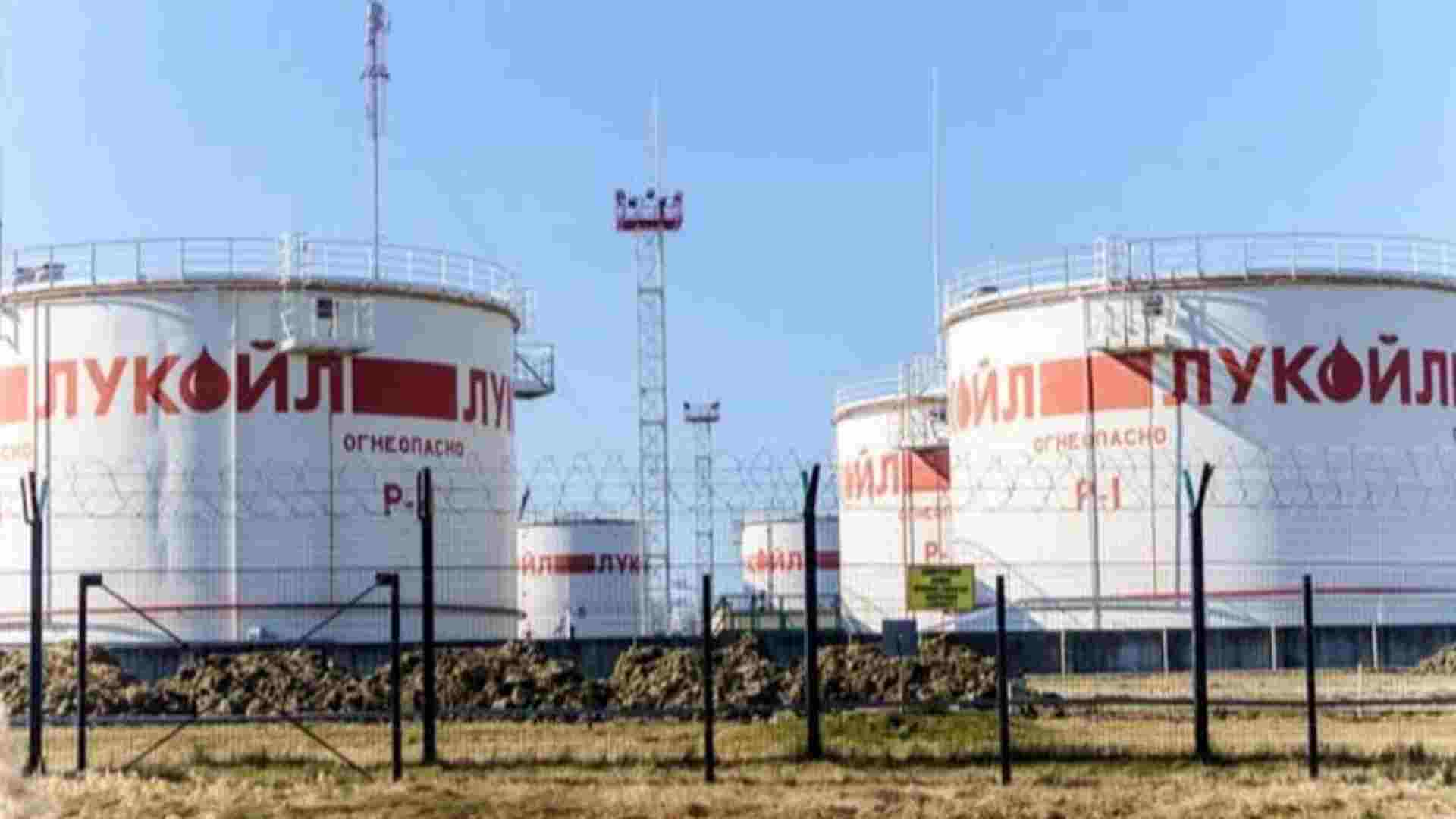
The Trump administration’s efforts to end the Russia-Ukraine war have expanded into a major potential business transaction involving Russian energy giant Lukoil. The proposed deal would allow a group of investors to acquire Lukoil’s international assets. The portfolio includes oil fields, refineries and petrol stations across several countries. Lukoil valued these international assets at about $20 billion earlier this year.
The deal has not been completed. It would need approval from the US government and the Kremlin before it could move forward. The proposal has attracted attention because of the business links between some potential buyers and two key Trump administration negotiators, Steve Witkoff and Jared Kushner. Both men have played important roles in discussions with Russia over the Ukraine war.
According to The New York Times, Vladimir Putin raised the Lukoil proposal during his September 5 meeting with Witkoff and Kushner at the Kremlin. Putin reportedly presented the deal as a possible example of how American and Russian businesses could restart cooperation. The US side agreed to explore the proposal. Officials saw possible benefits, including better relations with Moscow and increased access to energy supplies.
Who is Behind the Lukoil Deal?
A group led by American investor Todd Boehly has emerged as the leading bidder for Lukoil’s international assets. Boehly is a co-owner of the Los Angeles Dodgers. He has also donated $2 million to political efforts supporting
Trump. Boehly gave $1 million to MAGA Inc. in December 2025. His investment firm, Eldridge Industries, later contributed another $1 million toward Trump’s inauguration.
The proposed investor group also includes major financial interests from the Middle East. One potential investor is a Qatar-based conglomerate controlled by brothers Moutaz and Ramez Al-Khayyat. The brothers have business connections with Kushner and his wife, Ivanka Trump.
Those links include their participation in a multibillion-dollar luxury resort project in Albania. Another possible investor is an Abu Dhabi investment fund controlled by Sheikh Tahnoon bin Zayed Al Nahyan, the UAE’s national security adviser.
Sheikh Tahnoon also has links to Trump’s family cryptocurrency business, World Liberty Financial. An affiliate of his investment empire bought a major stake in the company. Witkoff helped co-found the company, which also involves members of the Trump family.
The US government could also take part in the transaction. The US International Development Finance Corporation, a federal agency that invests in overseas projects, is expected to participate. A senior Trump administration official confirmed that Witkoff and Kushner directly helped negotiate the financial terms of the possible US government investment. The official said the proposed structure would include a large upfront payment. It would also give the United States a share of future profits.
Why Is the Lukoil Deal Raising Questions?
There is no indication that Witkoff or Kushner would personally make money from the proposed Lukoil transaction. However, the combination of US diplomacy and private business connections has raised questions about possible conflicts of interest. The issue has gained particular attention because Witkoff and Kushner remain among the administration’s key contacts with Putin.
Trump has been pushing for an agreement to end the war in Ukraine. During their talks with Moscow, the two negotiators have also discussed the possibility of rebuilding economic ties between the United States and Russia.
Those discussions have taken place even though the two sides have not reached a final peace agreement. The proposed Lukoil transaction could become part of that broader strategy. At the same time, a US-approved sale could unlock substantial value from Lukoil’s international assets. US sanctions currently restrict the company’s ability to operate those assets.
Why Does Lukoil Matter?
Lukoil ranks among Russia’s largest energy companies. However, the proposed transaction would not cover its entire Russian business. Instead, investors would target Lukoil’s international portfolio.
The assets include oil fields in countries such as Cameroon. They also include refineries in Europe and petrol stations. Lukoil also has operations in the United States. Its European refineries in the Netherlands, Bulgaria and Romania are especially important. They produce key fuels, including diesel and jet fuel.
The assets came under increasing pressure after the Trump administration imposed sanctions on Lukoil last year. The sanctions formed part of the US effort to increase pressure on Putin over Russia’s war in Ukraine. The sanctions have also created an unusual situation for potential buyers.
Investors could potentially purchase Lukoil’s international assets at an attractive price. However, the US government effectively holds veto power over the transaction because of its control over sanctions enforcement.
The proposed deal therefore sits at the intersection of diplomacy, energy policy and private investment. Its future will depend on decisions by both Washington and Moscow.