
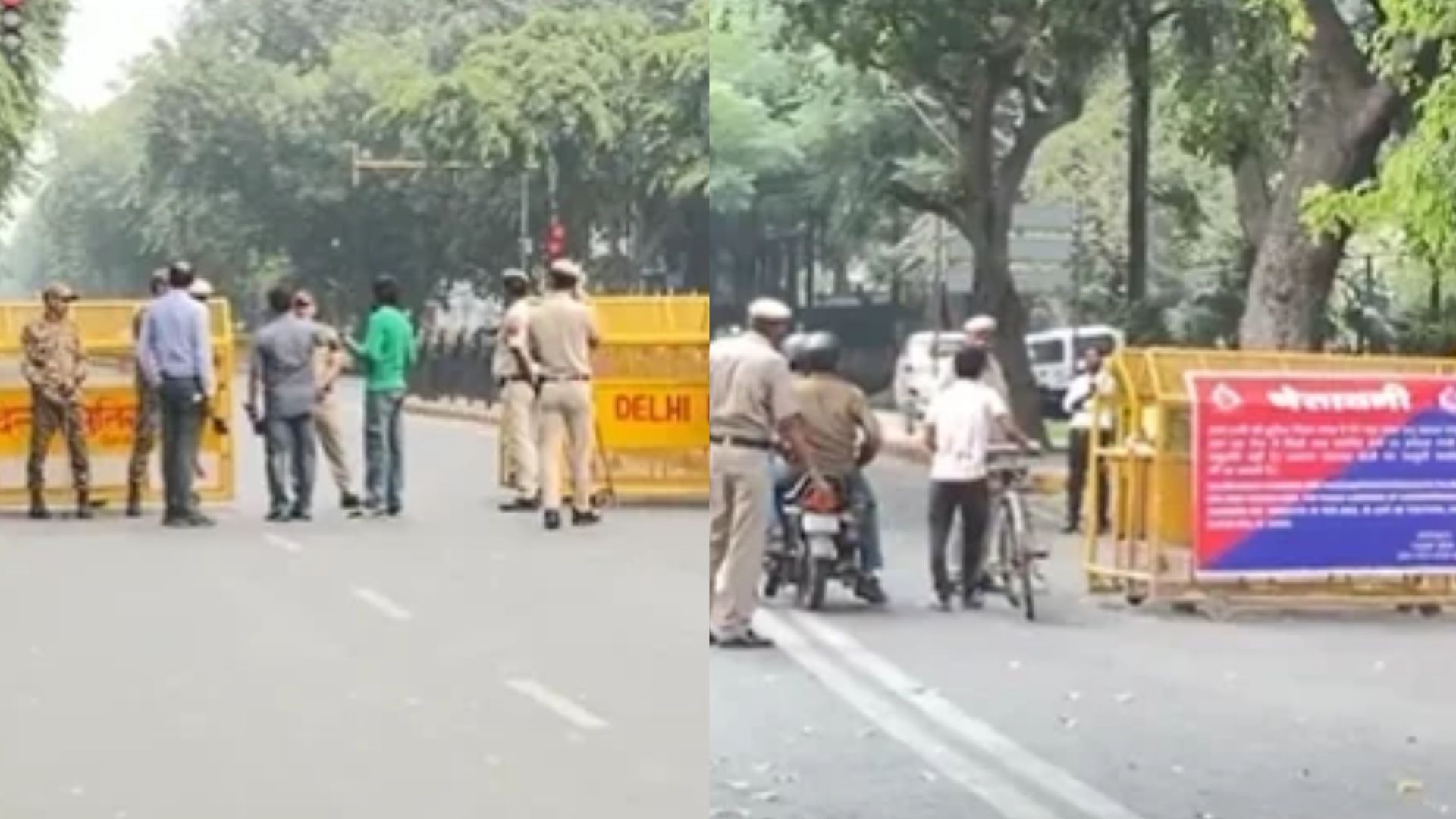

India on Saturday rejected concerns raised by the United Nations human rights office over the detention of Cockroach Janta Party (CJP) supporters. New Delhi called the remarks "unwarranted interference in the country's internal affairs".
India’s UN mission issued a strong statement on X. It said the OHCHR had misplaced its concerns. It also urged the UN body to pay similar attention to "large-scale" protests in other countries.
"India is the world's largest democracy, where the right to peaceful assembly is guaranteed by our Constitution and safeguarded by robust institutions, an independent judiciary, and a free media," the statement said.
India also defended its rules on public demonstrations. It said democratic countries allow peaceful protests but impose reasonable restrictions to maintain public order.
"As in every democracy, Indian citizens exercise this right subject to reasonable restrictions in the interest of public order. The authorities, for their part, act in accordance with the law, and our courts remain available to all for the redressal of any grievances," it added.
The statement followed the detention of nearly 3,000 people in Delhi. Those detained included CJP leaders, party supporters and opposition leaders. They had attempted to reach Jantar Mantar to protest and demand the resignation of Chief Election Commissioner Gyanesh Kumar.We have seen the OHCHR’s remarks about today’s events in New Delhi.
India is the world’s largest democracy, where the right to peaceful assembly is guaranteed by our Constitution and safeguarded by robust institutions, an independent judiciary and a free media. As in every democracy, Indian citizens exercise this right subject to reasonable restrictions in the interest of public order. The authorities, for their part, act in accordance with the law, and our courts remain available to all for redressal of any grievances. The OHCHR’s concerns are therefore misplaced and constitute an unwarranted interference in the internal affairs of India. In this context, OHCHR would also do well to devote comparable attention to large-scale protests elsewhere, consistent with its mandate of impartiality and non-selectivity. @MEAIndia @IndianDiplomacy @PMOIndia @DrSJaishankar @abagchimea — India at UN, Geneva (@IndiaUNGeneva) October 10, 2026