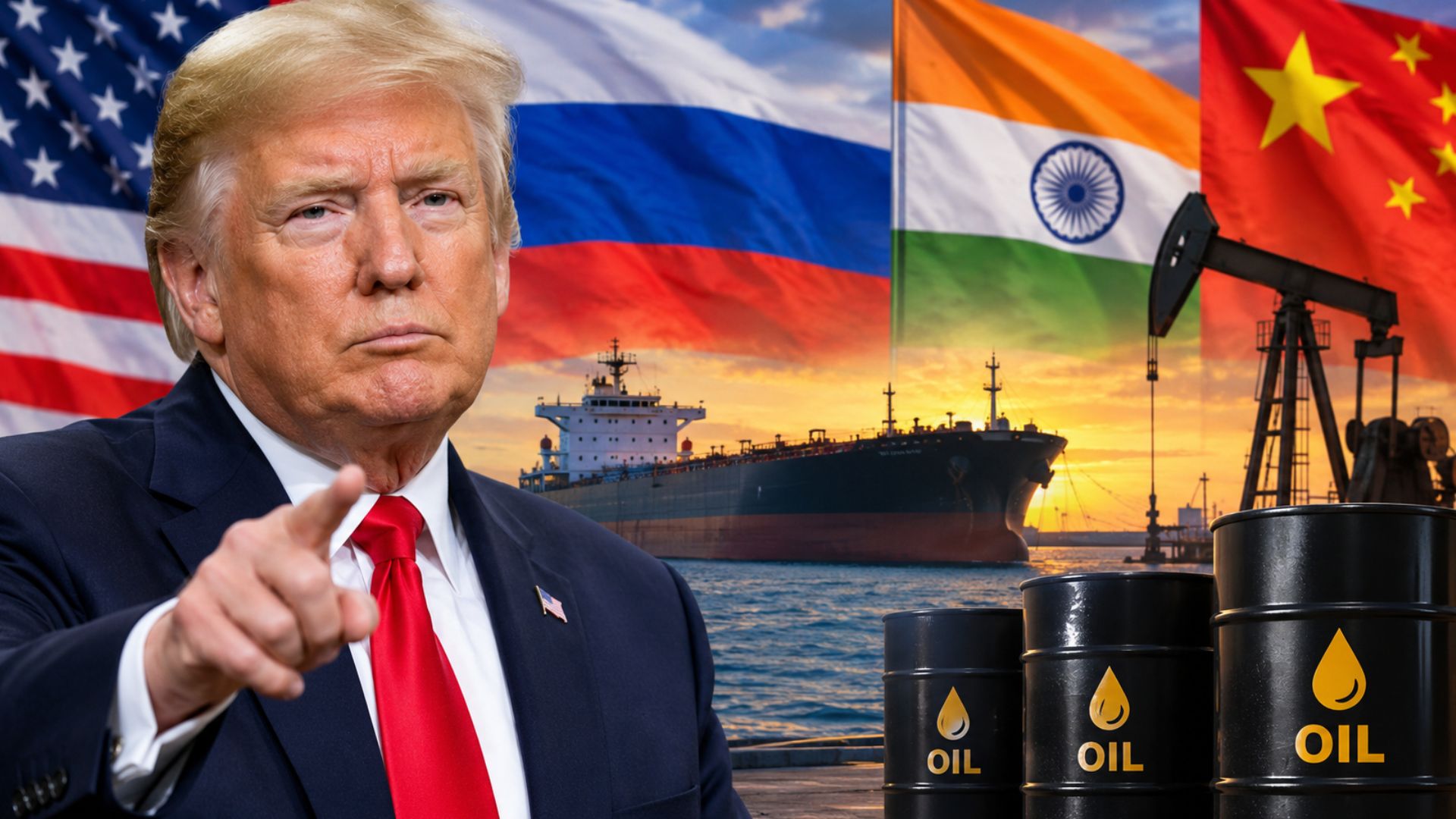
US President Donald Trump has waived the sanctions, restrictions and tariffs outlined in the Sanctioning Russia and Iran Act, citing the national interest of the United States. The decision is expected to provide significant relief to India and China, two of the world's largest buyers of Russian oil.
The Lindsey O. Graham Sanctioning Russia and Iran Act of 2026 authorised Trump to impose extensive sanctions on Russia and introduce steep tariffs on major importers of Russian oil and gas, including India and China.
The legislation, which was primarily championed in Congress by the late Senator Lindsey Graham, allowed the US administration to impose tariffs of up to 100% within 30 days on goods imported from the five largest buyers of Russian crude oil or natural gas. It also covered countries that knowingly continued purchasing Russian energy 30 days after the law came into force, along with the five countries most actively helping Russia evade international sanctions.
What Trump Announced
Trump announced the waiver just days before several provisions of the legislation were scheduled to take effect. He had signed the bill into law in mid-September.
“I am hereby waiving the application of such sanctions, restrictions, and duties provided for in the Graham Act,” Trump said in an executive order issued on Friday evening.
In the order, Trump confirmed that he had submitted a certification to Congress declaring that waiving the sanctions and restrictions at this stage was in the national interest of the United States.
The decision comes amid a shift in Trump's approach towards Russia. The US president has adopted a comparatively warmer stance towards Moscow while repeatedly criticising Ukrainian President Volodymyr Zelenskiy. Trump has also suggested that Ukraine needs a new leader.
The proposed sanctions had raised concerns among countries heavily dependent on Russian energy supplies. India, one of the world's largest importers of Russian crude oil, was particularly concerned about the potential economic consequences of the legislation.
What the Decision Means for India
Russia remains India's largest supplier of crude oil. Trump's decision to waive the proposed tariffs of up to 100% removes a major potential obstacle for Indian refiners, allowing them to continue purchasing Russian oil without facing the additional trade penalties outlined in the legislation.
Had the US administration imposed these tariffs, Indian exporters could have faced serious difficulties because the United States is India's largest trading partner. At the same time, sanctions against Russian energy supplies could have made crude oil purchases from Moscow commercially unviable, worsening India's energy supply challenges.
These concerns are particularly important as tensions in the Middle East continue to disrupt global energy markets. The region remains a major source of India's energy supplies, including crude oil, liquefied petroleum gas (LPG) and liquefied natural gas (LNG). Disruptions to shipments passing through the Strait of Hormuz have added pressure on India to diversify its energy sources.
Russian crude has played an important role in meeting India's energy requirements, with imports reaching record levels in recent months.
Russia gradually emerged as India's largest crude oil supplier following the start of the Ukraine war. As European sanctions restricted Moscow's access to traditional markets, Russia offered oil at substantial discounts to buyers such as India and China. Last year, Trump imposed an additional 25% punitive tariff on India over its purchases of Russian crude, taking the total tariff burden to 50%.
India continued buying Russian oil despite the additional duties. However, imports began to decline after the United States imposed sanctions on two major Russian oil companies.
In February this year, Trump announced a reduction in tariffs on Indian goods to 18% and removed the additional 25% punitive duty. At the time, he claimed that India would stop purchasing oil from Russia. However, the Indian government did not make any such commitment.
Before a clear trend could emerge in India's Russian oil imports, the conflict in the Middle East intensified, creating fresh uncertainty over global energy supplies. The United States had also temporarily waived certain sanctions on Russian crude in an effort to bring down international oil prices. Even after those exemptions expired, India continued sourcing oil from Russia to meet its domestic energy needs.
The sanctions legislation signed by Trump last month was also reportedly creating difficulties in the ongoing India-US trade negotiations. The latest decision to waive the proposed penalties could help ease some of those concerns and potentially create room for progress on the trade deal.
Commerce Minister Piyush Goyal recently indicated that a draft agreement was nearly ready, raising expectations of further developments in the negotiations.
India Faces Competition From China for Russian Oil
Although Trump's decision has reduced the immediate threat of additional tariffs linked to Russian oil purchases, India could still face another challenge: increasing competition from China for supplies from Moscow.
Indian refiners expect Russian crude supplies to tighten further in October and November as exports decline and Chinese demand rises, according to reports.
The anticipated shortage could force India, the world's third-largest crude oil importer, to turn to more expensive sources of crude for the remainder of the year.
China, the world's largest crude oil importer, has increased its purchases in recent months as the Iran war disrupted energy supplies from the Middle East. Its stronger demand has intensified competition for Russian oil cargoes.
"Demand from China has been really high. They were willing to book cargoes in advance and to pay firmer prices compared to Indian refiners," a source involved in the sale of Russian crude told Reuters recently.
The situation means that, despite the relief provided by Trump's waiver, Indian refiners may still have to pay more to secure adequate Russian oil supplies. Falling exports, stronger Chinese demand and continuing geopolitical uncertainty could determine how much discounted Russian crude India can obtain in the coming months.