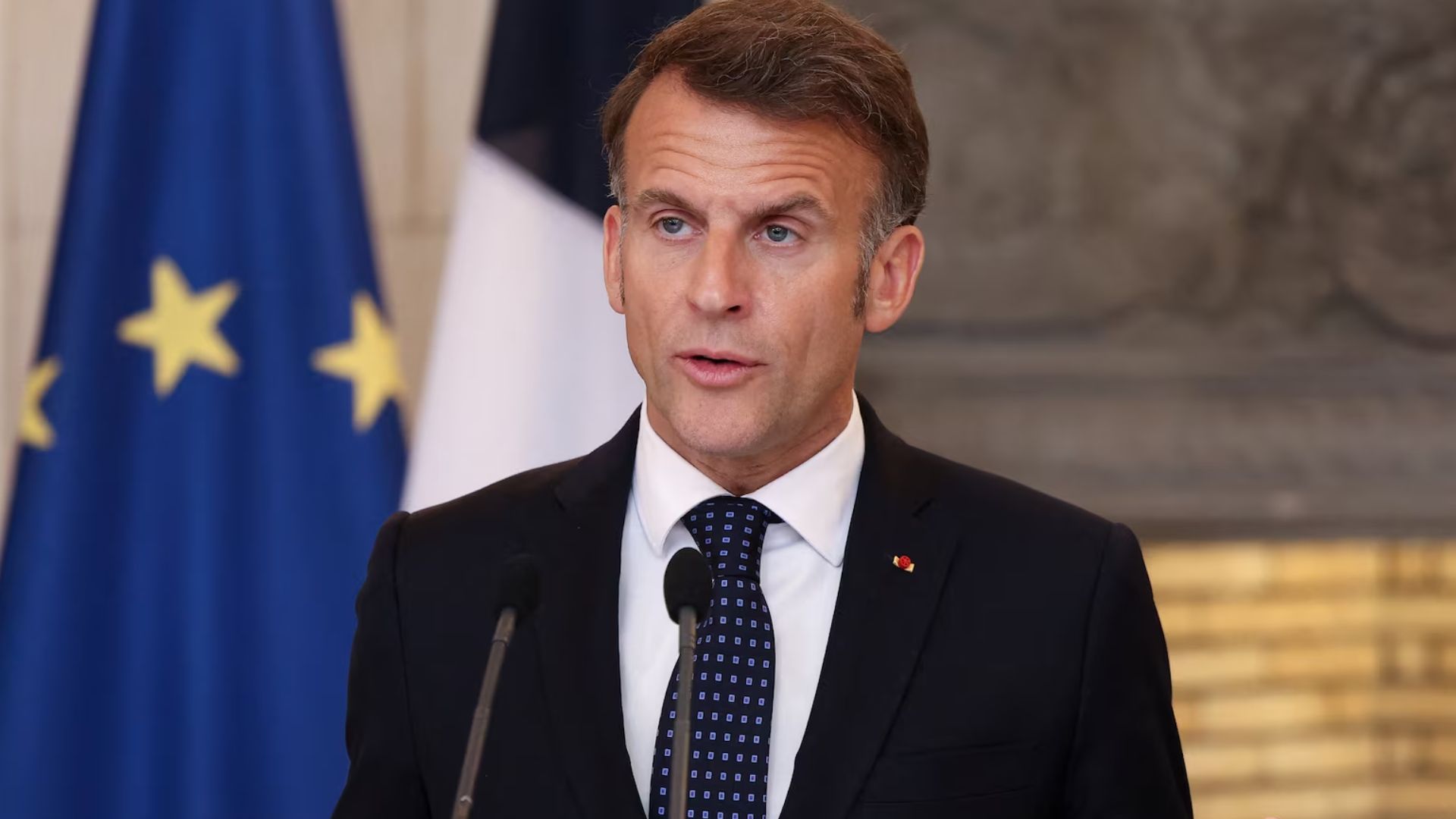
France has introduced local curfews and restrictions on public gatherings following a weekend of widespread riots, looting and clashes between protesters and police. The unrest has increased pressure on
President Emmanuel Macron, with questions growing over how authorities handled the violence and whether they could have prevented it from spreading.
Prime Minister Sébastien Lecornu has called for targeted restrictions to restore order. Meanwhile, the government is investigating possible failures in intelligence gathering and security planning that may have allowed the unrest to escalate.
The violence broke out during nationwide demonstrations over the rising cost of living and declining public services, including poor conditions in schools. Hundreds of thousands of people took part in the protests. However, some groups set cars on fire, looted shops and attacked public buildings.
According to the Associated Press (AP), authorities arrested at least 2,400 people in connection with the unrest. They also estimated that around 3,000 businesses had suffered damage or been looted. The crisis comes as France prepares for the next presidential election, expected in 2027.
France Unrest: 10 Key Developments
1. Paris Introduces Overnight Curfews in Two Areas
Paris police imposed an overnight curfew around Place de la République and the Les Halles shopping district. The restrictions ran from 11 pm on Monday until 6 am on Tuesday, local time.
According to AP, authorities also banned gatherings and demonstrations in the capital from 8 pm. Officials said the restrictions aimed to protect residents and property and prevent further violence and looting.
2. Several Cities Extend Curfews to Minors
Lecornu called for partial and localised curfews to prevent further disorder, AFP reported.
According to AP, several cities in northern France, including Lille, introduced overnight restrictions for minors from 8 pm to 6 am. Nice also imposed an overnight curfew for minors.
Meanwhile, authorities in Marseille separately banned protests and public gatherings during a specified period on Monday.
3. Police Arrest at Least 2,400 People Across France
French authorities arrested at least 2,400 people in connection with the weekend’s unrest, AP reported.
The arrests followed clashes in Paris, Marseille, Lyon and other cities. The violence included attacks on public buildings, looting of shops and confrontations between protesters and police.
The scale of the arrests highlights the challenges facing law enforcement agencies as they try to restore order across the country.
4. Around 3,000 Businesses Suffer Damage or Looting
Authorities estimated that approximately 3,000 businesses had been damaged or looted across several cities, AP reported.
Reuters reported that the Federation of Trade and Retail also put the number of affected shops at nearly 3,000. The damage included smashed shopfronts and looted commercial properties. Luxury boutiques in central Paris were among the targets.
In Marseille, looters also targeted the official store of football club Olympique de Marseille, Reuters reported.
The damage has raised concerns among business owners over public safety and the financial impact of the unrest.
5. Fire Nearly Destroys Historic Limoges City Hall
One of the most serious incidents occurred at the 19th-century city hall in Limoges, central France.
According to AP, flames engulfed the historic building, causing its roof to collapse and bringing the structure close to destruction.
The incident showed that the violence had spread beyond shops and commercial areas to public institutions. The attack also highlighted the potential damage to historic buildings during the unrest.
6. Macron Rejects Interior Minister’s Resignation
French Interior Minister Laurent Nuñez offered to resign amid criticism of the authorities’ response to the violence. However, Macron rejected his resignation.
Instead, the president instructed Nuñez to provide a transparent account of any failures in intelligence gathering and security planning.
According to AP, Macron also called for new policing tactics to be introduced quickly to prevent further violence.
Nuñez will remain in office as the government faces growing scrutiny over its handling of the crisis.
7. Government Blames Far-Left Groups and Opportunistic Looters
Lecornu has blamed far-left groups for some of the violence and described the unrest as a serious threat to public order.
According to Reuters, the prime minister argued that elements of the far left wanted to create deep instability ahead of the 2027 presidential election.
Nuñez also blamed far-left activists and groups involved in looting, AP reported.
The government’s statements have added a political dimension to the crisis as officials investigate the causes of the violence and work to restore public order.
8. Student Protesters Block Louvre Entrance
Student demonstrations have continued despite the authorities’ efforts to contain the unrest.
According to AP, student protesters blocked the entrance to the Louvre Museum in central Paris on Monday. The blockade prevented the museum from opening at its scheduled time.
The protest followed weeks of student mobilisation over school conditions and public services. Student organisations have called for further demonstrations.
Activists seeking to revive the Yellow Vest movement have also announced plans for nationwide protests, raising concerns about further disruption.
9. Trade Unions Call for Fresh Protests on November 5
France could face another round of demonstrations in the coming weeks.
Reuters reported that French trade unions had called for fresh strikes and rallies on November 5. Student groups and other activists have also urged people to continue protesting.
The planned demonstrations could increase pressure on the government to address the economic concerns driving public anger while preventing further violence.
10. Political Pressure Mounts Ahead of 2027 Election
The unrest has intensified political pressure on Macron’s government ahead of the next presidential election.
Reuters reported that the crisis had exposed the government’s vulnerability amid economic difficulties, high public debt and political uncertainty.
Meanwhile, Jordan Bardella, president of the far-right National Rally, accused the government of failing to protect the public, AP reported.
The unrest has given political opponents another opportunity to question the government’s ability to maintain public order and respond to public concerns.
Government Faces Challenge of Restoring Order
French authorities now face the immediate task of preventing further clashes and protecting residents, businesses and public buildings. Officials have introduced local curfews and restrictions to contain the violence without imposing a blanket curfew across Paris.
According to AP, Lecornu has defended the targeted approach. Macron, meanwhile, has demanded greater transparency over possible failures in intelligence gathering and security planning.
However, the crisis extends beyond law enforcement. The demonstrations began amid concerns about the cost of living, declining public services and poor school conditions. Continued student and trade union mobilisation suggests that these grievances remain unresolved.
The government must distinguish peaceful protesters from those responsible for violence. At the same time, it must address the wider public anger that has fuelled the demonstrations.
With more protests planned and the 2027 presidential election approaching, the government’s response could have lasting political consequences for Macron and France’s wider political landscape.
The coming weeks will test whether French authorities can restore order while addressing the economic and social concerns behind the unrest.