
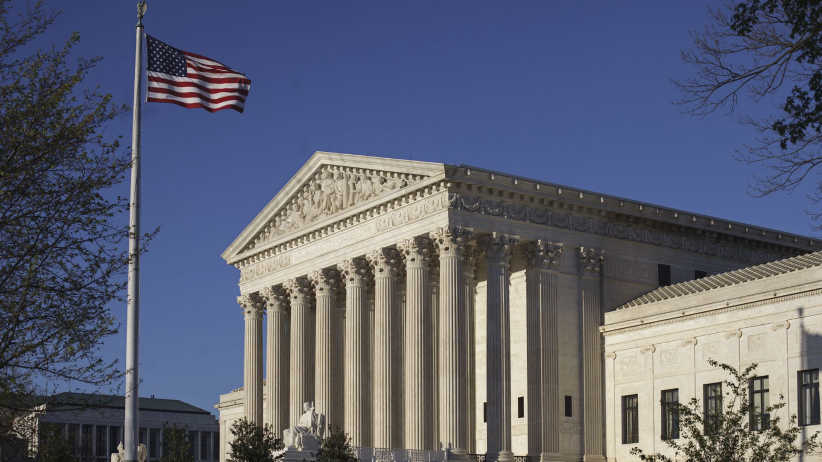

The US Supreme Court ruled that Donald Trump had the authority to fire three Democratic members of the Consumer Product Safety Commission (CPSC).
President Biden had appointed them for seven-year terms. But Trump removed them in May. A federal judge had reversed the firings, calling them unlawful. However, the Supreme Court later overturned that decision. It responded to an emergency appeal by the Justice Department.
Presidential Power Over Agencies
The Justice Department argued that the president controls the CPSC. So, he can remove commissioners without giving a reason. The court agreed. But the three liberal justices disagreed with the ruling.
CPSC’s Role and Structure
The CPSC was created in 1972. It protects consumers by recalling dangerous products and enforcing safety rules. The commission has five members. By law, no more than three can belong to the same political party.
Debate Over Presidential Authority
Judge Matthew Maddox, appointed by Biden, ruled in June that the CPSC has some independence. He said it is not the same as other agencies where the president can fire officials freely. This shows a larger legal debate over how much power presidents should have.
Legal Precedent May Be Challenged
The ruling may lead to challenges against the 1935 Humphrey’s Executor decision. That case said presidents cannot fire members of independent agencies without cause. Conservatives have often criticized that rule. They argue presidents should have full control over federal agencies.
Concerns Over Agency Independence
Lawyers for the fired commissioners warned of serious risks. They said the ruling could damage the agency’s independence. It could also make the CPSC more vulnerable to political influence, which might hurt its ability to protect consumers.