
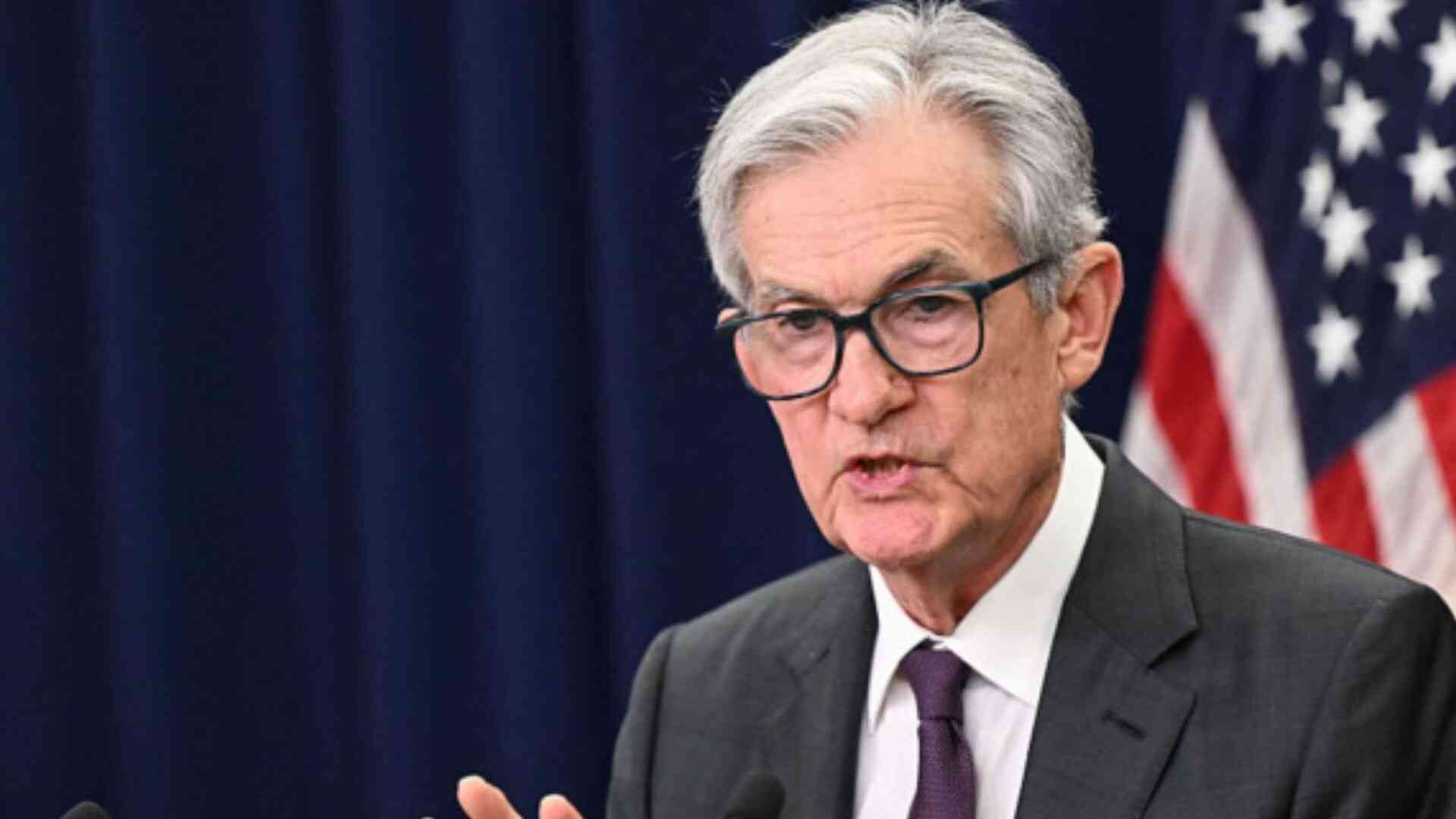

Federal Reserve Chair Jerome Powell signaled on Friday that the U.S. central bank may soon cut interest rates as the labor market shows signs of weakness. The Fed has kept rates unchanged for eight straight months.
Balancing Jobs and Inflation
Speaking at the Jackson Hole Economic Policy Symposium, Powell admitted that lowering rates could help support employment. However, he also warned that inflation risks remain high. He called the economic backdrop a “challenging situation,” where the Fed must balance price stability with job growth.
“Downside risks to employment are rising,” Powell said in his prepared remarks. He also pointed out that “the effects of tariffs on consumer prices are now clearly visible,” and uncertainty will likely remain in the coming months.
This was Powell’s final major policy speech as Fed Chair, making investors even more alert for signals about future rate moves.
Tariffs and Inflation Pressures
For now, Powell is walking a tightrope. On one hand, President Donald Trump’s sweeping tariffs could fuel higher consumer prices and keep inflation elevated. On the other, the labor market is showing signs of slowing. Powell has also faced continued criticism from Trump as he tries to navigate these challenges.
“While the labor market appears to be in balance, it is a curious kind of balance that results from a marked slowing in both the supply of and demand for workers,” Powell explained. He emphasized again that “the effects of tariffs on consumer prices are now clearly visible” and likely to build up in the coming months.
Still, he reassured, “We will not allow a one-time increase in the price level to become an ongoing inflation problem.”
Fed Holds Rates Steady
The Fed has held its benchmark rate between 4.25% and 4.50% since December. Officials have argued that a still-resilient job market allowed them to pause. But weaker hiring data in recent months has raised concerns about growth.
Economists warn that tariffs could push inflation higher, which would normally keep rates elevated. Yet, signs of a softer labor market are fueling debate about whether the Fed should act sooner to cut rates.
The Fed’s preferred inflation measure rose 2.6% in June compared to last year. The core measure, which excludes food and energy, was up 2.8%. Both figures remain above the Fed’s 2% target.
Divisions Within the Fed
Recent hiring reports for May and June showed job gains were weaker than earlier estimates. This added to worries about slowing employment. At the Fed’s July meeting, two governors — Christopher Waller and Michelle Bowman — broke ranks and voted for a 25 basis-point cut. It was the first split in a Fed decision since 1993.
Markets now expect a change. According to CME Group’s FedWatch Tool, there is a 75.6% chance of a September rate cut.
Still, analysts at JPMorgan believe Powell will not make firm promises yet. “With more employment data to come, we don’t think Powell can firmly guide toward easing at the next meeting,” they wrote in a note.