
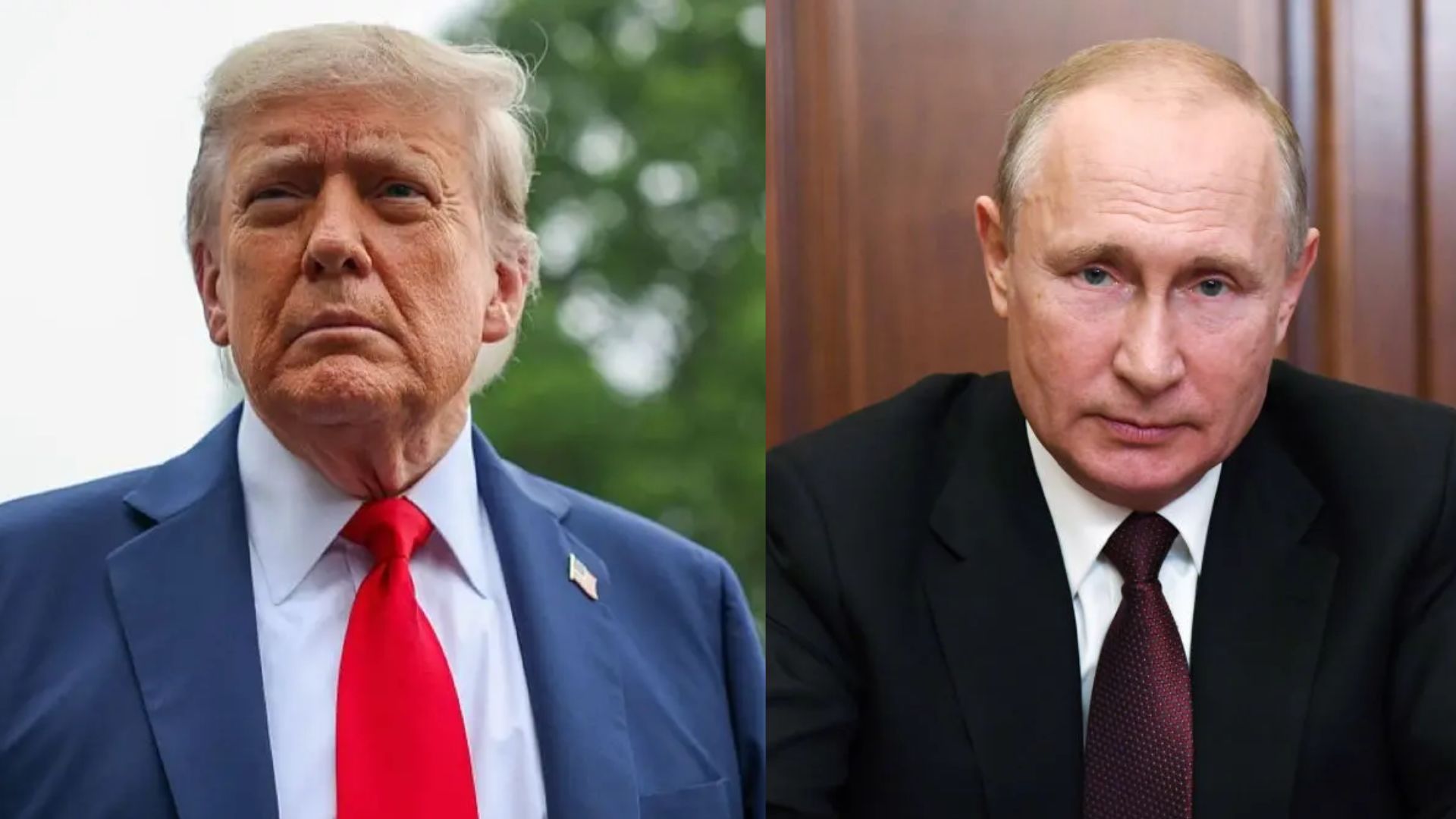

US officials and lawmakers are increasingly worried about a private meeting last month between members of the Trump administration and Kirill Dmitriev, a sanctioned Russian envoy. Reuters reported this after speaking with several people familiar with the talks.
The meeting took place in Miami at the end of October. It brought together special envoy Steve Witkoff, Trump’s son-in-law Jared Kushner, and Dmitriev, who heads the Russian Direct Investment Fund (RDIF). RDIF is one of Russia’s biggest sovereign wealth funds and has been under US sanctions since 2022.
Dmitriev, a close ally of Vladimir Putin, has been a key figure in backchannel discussions with the US. One senior official told Reuters that the Trump administration granted him a special waiver to enter the US despite sanctions that normally bar any American contact with him.
A 28-point plan raises alarms
The Miami meeting produced a 28-point peace plan, according to two people aware of the discussions. Axios revealed details of the proposal earlier this week. The plan shocked officials across Washington and surprised European partners.
Critics say the document seems to favour Russian interests. Ukrainian President Volodymyr Zelenskiy has already said he will not compromise Ukraine’s security or sovereignty.
The plan reportedly demands major concessions from Kyiv. These demands also appear inconsistent with the Trump administration’s recent tougher stance on Russia, including new energy-sector sanctions.
It remains unclear whether Dmitriev arrived with predefined demands and how much influence he had on the final draft.
Ukraine informed after the meeting
Two sources confirmed that Ukraine’s defence minister, Rustem Umerov, was in Miami earlier this week to discuss the proposal with Witkoff. One person said Witkoff briefed him on the plan. The US then relayed it to Ukraine via Turkey on Wednesday, before formally presenting it in Kyiv on Thursday.
Umerov later described his role as “technical” and refused claims that he discussed the details.
Neither Dmitriev nor Ukraine’s embassy in Washington responded to media queries.
White House spokeswoman Karoline Leavitt said any peace plan “must offer security guarantees and deterrence for Ukraine, Europe and Russia” and must include “economic incentives for both sides.” She added that the draft tries to reflect realities on the battlefield and seeks a “win-win scenario.”
Trump said on Friday that he expects Zelenskiy to sign the plan by Thanksgiving. Reuters reported that the US has warned Ukraine its military aid may be reduced if it rejects the proposal.
Officials sidelined from the process
Many senior officials at the State Department and the National Security Council were not briefed about the plan. Two sources said even Special Envoy for Ukraine Keith Kellogg, who has close ties to Kyiv and is set to step down in January, was excluded.
One senior official said Secretary of State Marco Rubio had been updated, but the timeline remains unclear. State Department spokesperson Tommy Pigott claimed Rubio stayed involved throughout the process. However, several officials challenged that account.
“There was no coordination, no one at State had seen this, not Rubio,” one official said. This person added that the proposal includes ideas Rubio had rejected earlier.
The situation has heightened fears that Witkoff and Kushner bypassed the normal interagency process to build a plan that reflects Moscow’s priorities. The proposal echoes long-standing Russian demands — including that Ukraine surrender eastern territories, accept Crimea as Russian, and agree never to join NATO.
Senator Roger Wicker, who chairs the Senate Armed Services Committee, said, “This so-called ‘peace plan’ has real problems, and I am highly sceptical it will achieve peace.” He added that Ukraine should not be compelled to give up territory “to one of the world’s most flagrant war criminals in Vladimir Putin.”
Experts also raised concerns. Dara Massicot of the Carnegie Endowment noted that Putin called the plan a “basis” for an agreement, which suggests Russia may push for more concessions. She added, “One week seems ambitious for resolution.”
Unsettled questions about Dmitriev’s role
Some intelligence officials remain uneasy about the Trump administration’s engagement with Dmitriev. Despite sanctions, he has previously used his RDIF role to build ties with Western governments and companies. The CIA declined to comment.
During Trump’s first term, Dmitriev tried to reset US-Russia relations. The Mueller investigation revealed that he met Erik Prince in 2017 to discuss bilateral ties and drafted a reconciliation plan later shared with a Kushner associate. Mueller did not find evidence that the Trump campaign coordinated with Russia during the 2016 election.
Dmitriev also worked with Kushner during the pandemic by sending RDIF-supplied ventilators to the US. This move raised internal concerns over possible sanctions violations.
In recent years, he continued appearing on US television and at global events such as Davos, promoting the idea of stronger US-Russia trade. He repeated that message in Miami.
Dmitriev’s Miami meeting with Rep. Anna Luna
Dmitriev’s trip also included a meeting with Representative Anna Luna, where both discussed expanding trade between the US and Russia. Her office did not comment.
Footage from Russia’s RIA agency showed Luna receiving a box of chocolates featuring President Putin’s portrait. Images also appeared to show Luna and Dmitriev meeting at Miami’s Faena Hotel, which is owned by Access Industries — the company run by Russian billionaire Len Blavatnik. Blavatnik made his fortune through business ties with Viktor Vekselberg, a sanctioned oligarch.
Witkoff’s company, the Witkoff Group, also has business links with Blavatnik, including projects in Miami.