
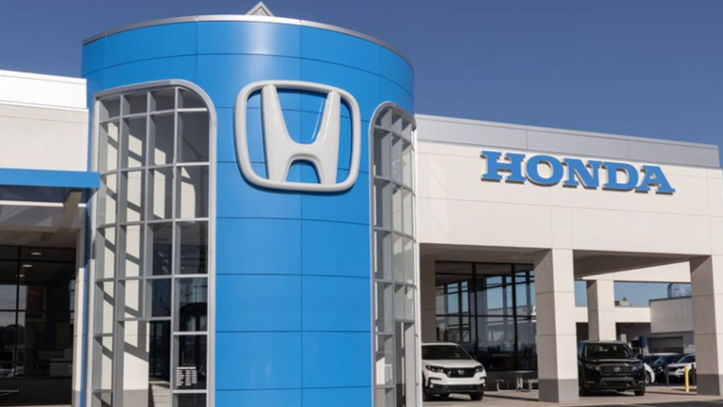

Discussions between Honda and Nissan regarding a multi-billion-dollar merger have collapsed. The two companies could not reach an agreement on the deal. Initially, Honda, Nissan, and their partner Mitsubishi aimed to merge in order to compete more effectively with rivals, particularly in China. If successful, the merger would have created an auto group worth $60 billion, making it the fourth-largest carmaker globally, behind Toyota, Volkswagen, and Hyundai.
Continued Partnership on Electric Vehicles
Although the merger failed, the companies have decided to continue collaborating on electric vehicle projects. This ensures they maintain some level of partnership moving forward.
Analyst's View
Karl Brauer, an analyst from iSeeCars.com, noted that the failure of the merger wasn’t entirely surprising. He explained, "Plenty of automotive mergers have not worked out, and this one had as much potential for disaster as it did to help both brands."
Nissan’s Struggles
The merger was seen as a lifeline for Nissan, which has been grappling with declining sales and leadership turmoil. Once Japan’s second-largest carmaker, Nissan has faced a tough recovery since the arrest of former CEO Carlos Ghosn in 2018. Ghosn was accused of financial misconduct, which he denies, and escaped Japan to live in Lebanon.
In contrast, Honda entered the merger talks in a strong position. It continues to be a globally popular brand, consistently selling more cars than Nissan.
Nissan’s Cost-Cutting Measures
To make matters worse, Nissan has been forced to implement cost-cutting measures. Last year, the company announced plans to lay off 9,000 employees worldwide and reduce the salary of its CEO by half.
Honda's Conditions for the Merger
Honda’s CEO, Toshihiro Mibe, had clearly stated that any merger would depend on Nissan completing its recovery efforts. This was a crucial condition for moving forward.
Disagreement Over Nissan’s Role
However, as talks continued, the two companies struggled to agree on Nissan's role in the potential merger. They could not decide whether Nissan should be an equal partner or a subsidiary in the new group.
Pressure for an Equal Partnership
Jesper Koll from Monex Group highlighted that in Japan, there is strong pressure for mergers to appear as partnerships of equals. He pointed out, "Having somebody leading this would seem almost offensive to the other party."
Potential Impact on Honda
Furthermore, Koll suggested that Honda could have been at a disadvantage in the merger. He remarked, "You're taking a potentially great company and taxing it with having to bail out an ugly duckling." This, he believed, could harm Honda’s future prospects.