
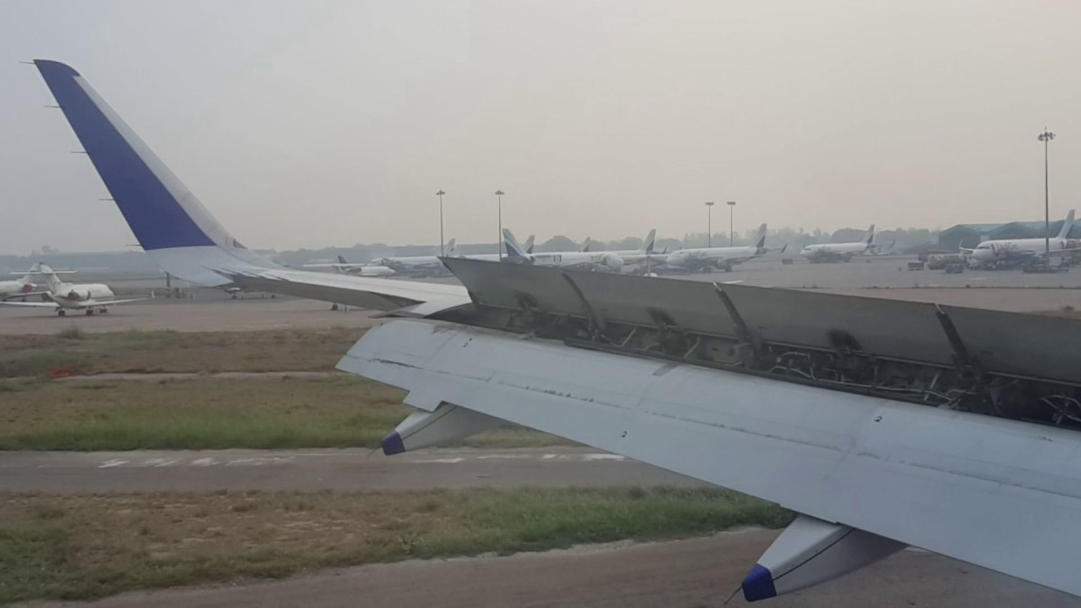

The Indian government confirmed a serious GPS-spoofing incident near the national capital. The attack interfered with navigation systems around Indira Gandhi International Airport in New Delhi.
Aviation officials said several flights faced GPS and GNSS interference as they approached the airport. The systems began sending incorrect location data to the cockpit. Because of this, pilots had to switch to backup landing methods. This unexpected shift raised strong concerns about flight safety and airspace security.
What Happened at Indira Gandhi International Airport
The incident took place on November 8. It caught the aviation community off guard. It also created confusion near one of India’s busiest airports.
As aircraft approached Delhi, they started receiving false GPS signals. These signals fed incorrect position data into onboard systems. For pilots preparing to land, this created a dangerous mismatch between what they saw on screens and what they saw outside.
In response, several pilots aborted their landing attempts to avoid any risk. This was the first reported GPS spoofing case so close to the national capital. That fact made the incident even more alarming for authorities.
Runway Work Made the Situation Worse
At the same time, the airport’s main runway, 10/28, was under major renovation. Because of the work, the Instrument Landing System was unavailable. As a result, airlines depended more on GPS-based navigation procedures. When the spoofing began, that dependence turned into a risk.
Flights operated by IndiGo and Air India were among those affected. Since pilots could not rely on the navigation data, several flights diverted to Jaipur instead of landing in Delhi.
Safety remained the top priority throughout the incident.
Large Impact Zone Caused Disruption
Reports indicated that the fake signals reached aircraft as far as 60 nautical miles from Delhi. This showed that the spoofing area was wide and powerful.
IGIA handles over 1,500 flight movements every day. Even small disruptions can create chaos. In this case, the impact was immediate. Flights faced delays. Air traffic control had to manage congestion. Airlines worked quickly to adjust their operations.
The incident highlighted serious vulnerabilities in modern aviation systems and raised fresh questions about how to secure Indian airspace from similar threats in the future.