
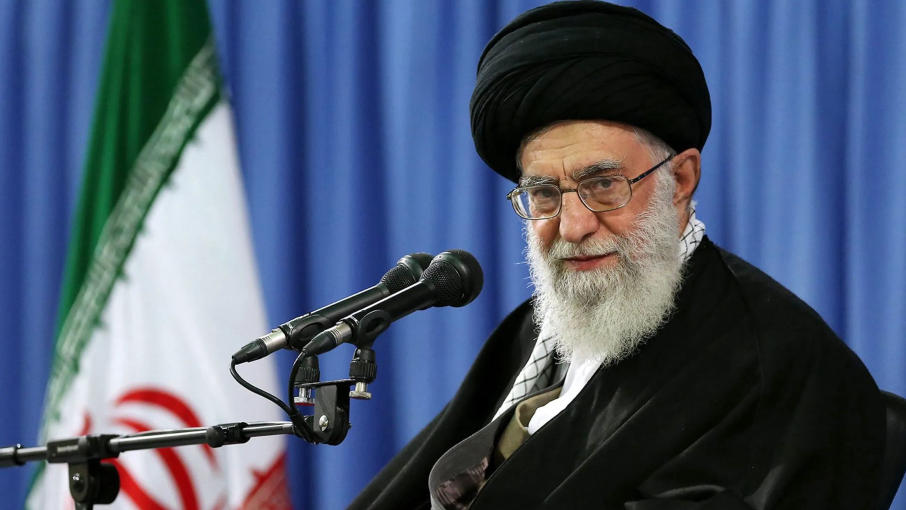

Iran’s Supreme Leader Ali Khamenei had often spoken about martyrdom and the risk of assassination. On Saturday morning, US and Israeli airstrikes hit his compound near Pasteur Street in Tehran. The 86-year-old cleric was killed in the attack.
According to a detailed report by the Financial Times, the strike followed years of intelligence work by Israel and the United States. Agencies mapped Tehran with extreme precision. They tracked traffic camera angles, monitored mobile phone signals, and studied the daily movements of Khamenei’s security team.
A Leader Who Did Not Stay Underground
Unlike his ally Hassan Nasrallah — who moved between underground bunkers for years before being killed in Beirut in 2024 — Khamenei usually stayed above ground.
In public speeches, he had reflected on the idea of being assassinated. He said his death would not weaken the Islamic republic. Some Iran experts told the FT that he expected to die as a martyr.
Still, he had safety measures in place during wartime. A source told the FT that it was unusual for him not to be inside one of his two bunkers. “If he had been, Israel wouldn’t have been able to reach him with the bombs that they have,” the person said.
However, intelligence showed that he planned to attend a meeting with senior officials at his office compound on Saturday morning. That detail proved crucial.
Operation Epic Fury and Years of Surveillance
The mission reportedly followed years of surveillance. Intelligence teams allegedly hacked most traffic cameras in Tehran. One camera angle helped Israeli analysts observe where trusted bodyguards parked. This allowed them to build what experts call a “pattern of life.”
“We knew Tehran like we know Jerusalem,” a current Israeli intelligence official told the FT. “And when you know a place as well as you know the street you grew up on, you notice a single thing that’s out of place.”
Israel’s signals intelligence unit, Unit 8200, played a key role. Human sources recruited by Mossad also contributed. Military intelligence processed massive amounts of data into daily briefings. Advanced algorithms analysed billions of data points to locate command centres and identify targets.
Israel reportedly interfered with mobile phone towers near Pasteur Street. This disruption made calls appear busy and blocked possible warnings from reaching Khamenei’s security team.
Double Confirmation Before the Strike
Israeli protocol requires two separate senior officers to independently confirm a target’s presence. Both must verify who is at the location before authorising a strike.
Sources cited by the FT said Israeli agencies relied on hacked cameras and mobile network data to confirm that the meeting was taking place. US intelligence reportedly had an additional human source who provided direct confirmation.
Officials believed it would be easier to strike before a wider war forced leaders into secure bunkers.
Trump Authorises Operation Epic Fury
At 3:38 pm Eastern time on Friday, US President Donald Trump approved Operation Epic Fury while travelling aboard Air Force One to Texas.
According to General Dan Caine, chairman of the US Joint Chiefs of Staff, American forces launched cyber attacks first. These operations aimed at “disrupting, degrading and blinding Iran’s ability to see, communicate and respond.”
Israeli aircraft, which had coordinated their arrival carefully, dropped up to 30 precision-guided bombs on Khamenei’s compound. Trump later told Fox News that Iranian leaders had been meeting for breakfast when they were killed.
The Israeli military said that carrying out the strike during daylight created tactical surprise, despite Iran’s high state of readiness.
A Strategic and Political Call
Several current and former Israeli intelligence officials told the FT that the decision to kill Khamenei was political. It was not just a technological success.
During the 12-day war in June 2025, Israel did not try to bomb him. Instead, it targeted leaders of the Islamic Revolutionary Guard Corps, missile systems, and nuclear facilities.
Diplomatic talks between Washington and Tehran were expected to continue, with Oman describing recent negotiations as productive. Publicly, Trump said the talks moved too slowly. Privately, according to sources, he was unhappy with Iran’s responses.
Although planners had prepared the operation months in advance, they advanced it after confirming the Saturday meeting.
Khamenei, only the second supreme leader after Ruhollah Khomeini, had survived decades of conflict and assassination attempts on allies.
In the end, he stayed above ground despite the risks. As one former Mossad official told the FT, Israel’s recent intelligence successes encouraged bold action.
“In Hebrew, we say, ‘With the food comes the appetite,’” she said.