
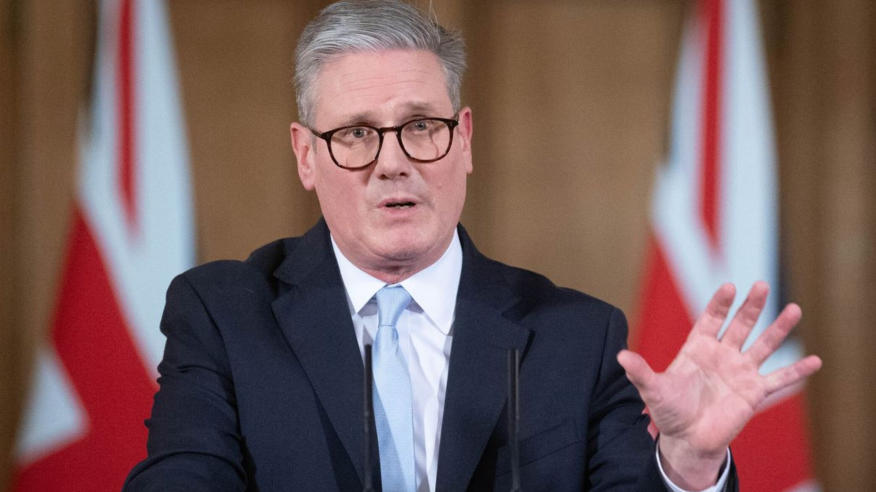

UK Prime Minister Keir Starmer has announced a £50 million support package to help households manage rising energy bills after the conflict involving Iran pushed global energy prices higher.
Starmer is expected to officially present the plan on Monday. He said his government will stand with working people during the difficult period created by the surge in global energy costs. The prime minister pledged that the government will support families “whatever challenges lie ahead”.
Officials said the financial aid will focus mainly on low-income and vulnerable households across the country.
Help for Households Using Heating Oil
The support package will provide targeted assistance to around 1.5 million households that rely on heating oil. Many of these homes are located in rural areas. Heating oil costs are not covered by the UK’s energy price cap, which normally protects consumers from extreme rises in gas and electricity bills. Because of this, families using heating oil often face higher price volatility during global energy disruptions.
The government said the new funding will help protect some of the most vulnerable households from the latest spike in fuel costs.
Government Signals Possible Further Measures
Ed Miliband, the UK’s Energy Secretary, said the government could introduce more support if household energy bills rise further.
He noted that the energy regulator Ofgem will review its quarterly energy price cap later this year. The government may consider additional steps if that review leads to higher bills for consumers.
Starmer Warns Energy Firms Against Profiteering
Starmer is also expected to issue a warning to energy companies during the crisis. He plans to caution firms against making excessive profits from the situation. Companies that attempt to exploit the crisis could face legal action if they break the law.
The government said it will closely monitor energy markets as prices fluctuate due to global tensions.
Crisis Revives Memories of 2022 Energy Shock
The rising energy costs have drawn comparisons with the crisis in 2022. At that time, former UK prime minister Liz Truss introduced a nationwide subsidy programme after Russia launched its full-scale invasion of Ukraine. That emergency scheme eventually cost the government about £50 billion.
The latest support plan is much smaller and more targeted.
Future Aid Depends on Gas Prices
Rachel Reeves, the UK Chancellor, said any additional support measures this year will focus on the most vulnerable households. Miliband explained that the level of future support will depend largely on global gas prices. Those prices will be influenced by how long the conflict lasts and how severe it becomes.
He also argued that increasing oil and gas production from the North Sea would not significantly reduce energy costs in the UK. “We are a price taker, not a price maker,” Miliband said.
Opposition Calls for Fuel Duty Action
Meanwhile, Conservative politician Claire Coutinho urged the government to consider further action. She suggested the UK should examine a request from Donald Trump for allied nations to deploy naval ships to help reopen the Strait of Hormuz.
Coutinho also called on the government to cancel a planned rise in fuel duty. She said the increase should not go ahead even if oil prices drop later.