
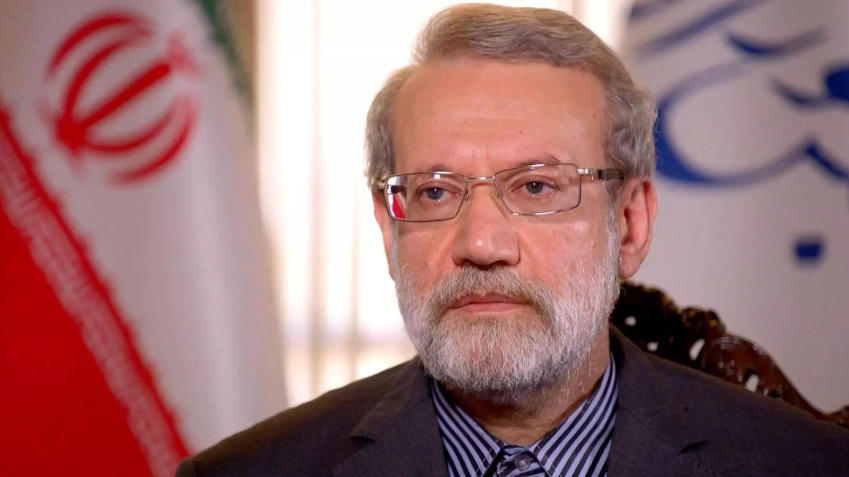

Since the Iran war began, Israel and the United States have carried out several targeted strikes on Iran’s top leadership. These attacks have killed many high-ranking political and military figures.
At the very start of the conflict, Ayatollah Ali Khamenei was killed in joint airstrikes. Reports now suggest that Ali Larijani and Gholamreza Soleimani have also been killed in Israeli attacks.
Here is a closer look at the key Iranian leaders who died during the war.
Ayatollah Ali Khamenei
Khamenei was the most powerful and high-profile leader killed in the conflict. He was 86 years old. He died along with his daughter, son-in-law, and grandson during the first strikes on February 28.
As Iran’s Supreme Leader, Khamenei controlled national security and major state decisions. He played a key role in the 1979 Iranian Revolution. Later, he became Supreme Leader in 1989 after Ruhollah Khomeini.
Iran’s President Masoud Pezeshkian strongly reacted to his killing. He called it an “open declaration of war against Muslims”.
“This tragic event is the greatest trial facing the Islamic world today,” Pezeshkian wrote.
Ali Larijani
Israel claimed that it killed Ali Larijani in an airstrike on Tuesday. He served as Secretary of Iran’s Supreme National Security Council.
Larijani had earlier worked as a senior officer in the Islamic Revolutionary Guard Corps (IRGC). He was known as a key aide and problem-solver for Khamenei.
The 68-year-old took up the role last year. He had also held the same position about two decades ago, showing the trust Iran’s leadership placed in him.
Larijani handled sensitive diplomatic missions. He warned neighbouring countries about possible retaliation if they helped US strikes. He also led a crackdown on protests earlier this year, which killed thousands.
Larijani remained active during the war. Just days before the strike, people saw him at a rally in Tehran. However, Iran has not officially confirmed his death.
Gholamreza Soleimani
Israel also claimed that it killed Gholamreza Soleimani, the head of the Basij force. The Basij is a volunteer paramilitary group under the IRGC. Soleimani became the Basij chief in 2019 after being appointed by Khamenei. Several countries, including the US and the European Union, had sanctioned him for suppressing protests.
Israel said, “Guided by precise intelligence from Military Intelligence, the Air Force conducted a targeted strike yesterday in the heart of Tehran, eliminating Gholamreza Soleimani, commander of the Basij unit over the past six years.”
The Israeli Defence Forces added that the strike “constitutes an additional significant blow to the regime’s security command-and-control structures”.
They also claimed that other senior Basij leaders died in the same attack.
Ali Shamkhani
Ali Shamkhani served as Secretary of Iran’s Defence Council and was a close adviser to Khamenei. He died earlier in the war. The 70-year-old had taken charge of the Defence Council in August 2025. He had earlier led Iran’s National Security Council and also served as navy chief.
Shamkhani was badly injured in an Israeli strike in 2025. Reports suggest he died during the early hours of the current war.
General Mohammad Pakpour
Mohammad Pakpour became the head of the IRGC after the death of Hossein Salami in 2025. He had long experience in Iran’s military. Pakpour earlier commanded the IRGC ground forces for many years. He also played a role in controlling protests this year.
Pakpour built his reputation during the Iran-Iraq war in the 1980s. Later, he led key divisions and operational units of the IRGC. Pakpour was killed in the initial strikes of the war. He had also overseen missile and drone attacks on Israel.
Aziz Nasirzadeh
Aziz Nasirzadeh served as Iran’s Minister of Defence and Armed Forces Logistics. He was 62 years old. Aziz Nasirzadeh had earlier worked as Deputy Chief of Staff of the armed forces. He also served as the head of Iran’s air force.
Mohammad Shirazi
Mohammad Shirazi worked as the Chief of the Military Bureau under Khamenei. He died in the early strikes of the war. He had served in this role since 1989. Shirazi acted as a key link between Iran’s top military commanders and the Supreme Leader.
Reports described him as “the liaison between the senior commanders of the armed forces and the leader, and was a central figure in the top ranks of the Iranian terror regime”.
Other Key Figures
Several other senior officials are also believed to have been killed. Reza Mozafari-Nia, former chairman of SPND, worked on nuclear development. Salah Asadi served as a senior intelligence chief. In addition, Major General Gholam Ali Rashid and Major General Amir Ali Hajizadeh are also believed to have died in the strikes.