
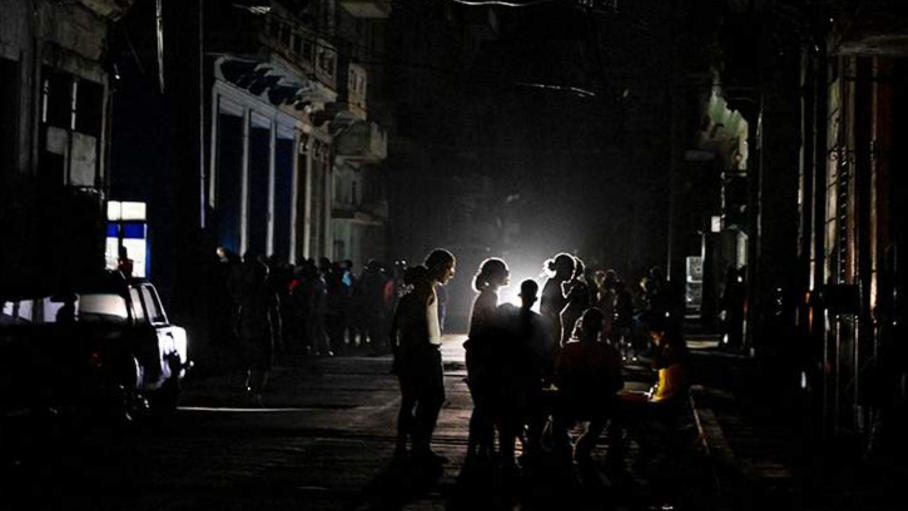

Cuba experienced another nationwide blackout, the second in less than a week. As authorities worked to restore electricity, the government said it is ready for any possible US attack.
Power supply started returning on Sunday. By afternoon, about two-thirds of Havana had electricity again, according to the city’s power company. The national grid was also reconnected across most parts of the country. This included regions from Pinar del Rio in the west to Santiago de Cuba in the east. However, two provinces were still without power, the state-run Electric Union said.
The outage came after a “total disconnection” of the national electricity system reported a day earlier in the country of nearly 10 million people.
Cuba Signals Readiness Amid US Pressure
As tensions with United States increase, Cuban officials said they are prepared for any escalation. Deputy Foreign Minister Carlos Fernandez de Cossio said Cuba has always been ready to defend itself.
Cuba is “historically ready to mobilise as a nation for military aggression”, he said, adding: “We don’t believe it is something that is probable, but we would be naive if we do not prepare”.
He also said dialogue with the US could continue. However, he made it clear that certain matters are not negotiable. “The political system of Cuba is not up for negotiation, and neither is the president or any official”.
Fernandez de Cossio added that the military is taking precautions. It is “preparing these days for the possibility of military aggression”, while noting: “We truly hope that it doesn’t occur”.
Fuel Shortage Worsens Energy Crisis
The repeated blackouts are linked to a serious fuel shortage. This crisis has deepened due to a US oil blockade. Cuba has not received imported fuel since January 9.
The country has gone three months without oil from foreign suppliers. It produces only about 40 per cent of its fuel needs. Access to Russian crude has also been restricted after the US Treasury placed Cuba on a list of countries barred from receiving such supplies.
Officials said the latest blackout started with a failure at an ageing thermoelectric plant. This failure triggered a chain reaction, causing the entire system to collapse.
Daily Life Becomes More Difficult
Frequent power cuts have made daily life harder. People are already facing shortages of food, medicine, and other essential items.
Residents shared their frustration. “The truth is, it gets harder every day to live with this situation,” said Alina Quinones, a nurse in Havana who said she had a “restless night” without power, internet or phone connectivity.
Another resident, 79-year-old Francisco Gonzalez, described his night in darkness. He said he spent it “sitting in an armchair at home, waiting for the power to come back on”.
Since 2024, Cuba has faced seven nationwide blackouts. These outages have disrupted normal life and led to protests. In some cases, people banged pots at night or damaged a local Communist Party office.
Aid Arrives but Fuel Remains Key Concern
The blackout happened as an international aid convoy reached Cuba. It delivered medical supplies, food, water, and solar panels. However, officials said the main challenge is still fuel supply. Without it, power generation cannot be sustained. “It is very severe. And we are acting as proactively as we can to cope with the situation,” Fernandez de Cossio said.
“We do hope that fuel will reach Cuba one way or the other and that this boycott that the United States has been imposing does not last and cannot be sustained forever,” he added.