
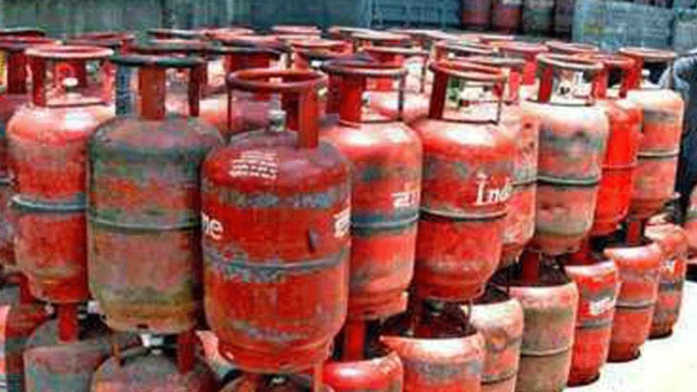

The Indian government has directed households in areas with piped natural gas (PNG) infrastructure to switch from LPG cylinders. It issued the order under the Essential Commodities Act on Tuesday. The notification is titled the Natural Gas and Petroleum Products Distribution Order, 2026.
As per the rule, households must apply for a PNG connection within three months of receiving notice. Otherwise, authorities will stop LPG refill supplies to that address.
Notice Process and Compliance Rule
Local gas distributors will send notices through registered or speed post in areas where pipelines already exist.
If a household fails to apply within the deadline, “the LPG supply to such address shall cease,” the notification stated. Either the owner or the lawful occupier can apply for the PNG connection.
Exemption Clause Included
However, the government has provided one exemption. LPG supply will continue if the distributor issues a no-objection certificate. This certificate must confirm that providing a PNG connection is not technically feasible at that location.
Government Cites Supply Security
Sujata Sharma, joint secretary in the petroleum ministry, explained the move during an inter-ministerial briefing. She said the decision aims to secure energy supplies.
“Our import dependency for LPG is much higher than the import dependency for PNG or LNG. We produce 50% domestically as far as PNG is concerned. So, this is in the interest of nation that we shift from LPG to PNG,” she said.
Petroleum & Natural Gas Ministry has issued a major guideline stating that in areas with existing PNG pipelines, residents will be required to switch from LPG to PNG within the next three months or face cancellation of their LPG connections in the national interest. pic.twitter.com/16ouZoT13F
— Salt (@saltbylutyens) March 25, 2026
Targeted Transition in Pipeline Areas
The compulsory shift applies only to regions where gas pipeline infrastructure is already available. The government estimates that around six million consumers can switch to PNG. So far, about 0.22 million households have already made the transition.
LPG Dependence Remains High
India currently has about 16.2 million domestic PNG connections. In contrast, the country has over 332 million LPG consumers. This number has grown sharply from 140 million in 2014. It also includes 105.6 million poor households that received subsidised connections under PM Ujjwala Yojana.
Import Pressure Drives Policy
India imports more than 60% of its LPG needs. Qatar alone accounts for 47% of these imports.
Recent geopolitical tensions have worsened the situation. Iran carried out a strike on Qatar’s Ras Laffan industrial city. At the same time, shipping disruptions in the Strait of Hormuz have halted supplies since March 18. As a result, the government has increased efforts to reduce dependence on LPG.
Push for Pipeline Expansion
The order also includes a broader reform. It directs landowners, including private individuals, government bodies, and housing societies, to allow pipeline installation.
This step aims to remove delays caused by land disputes and approval issues. In turn, it should help expand gas pipeline networks across the country.