
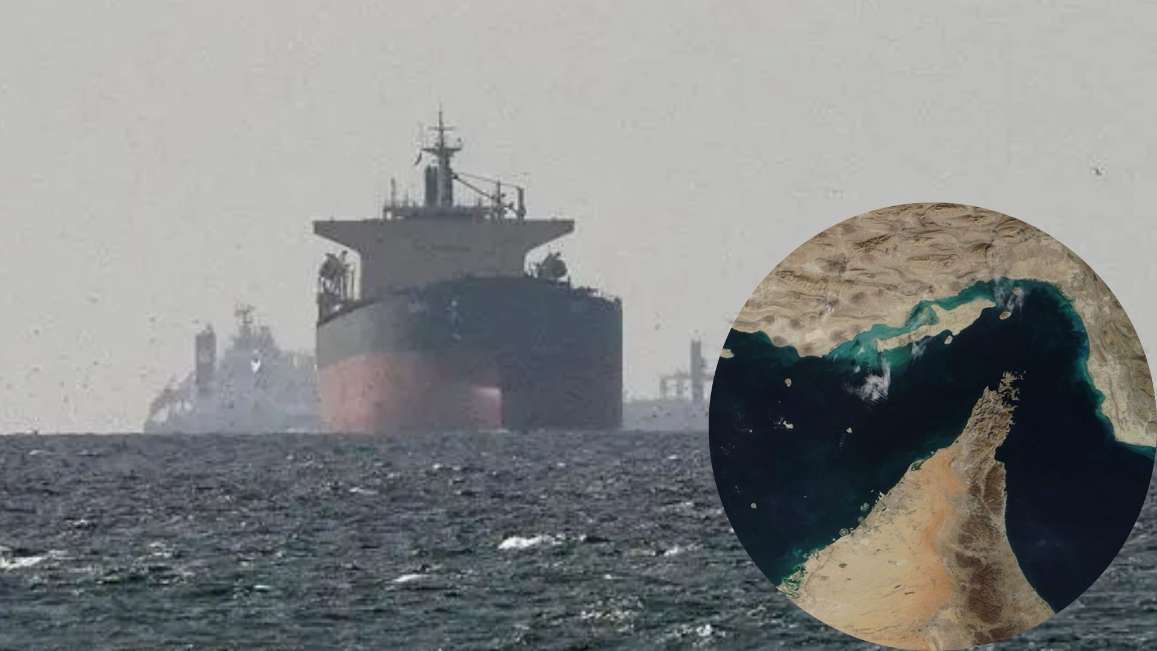

Iran’s economy is showing signs of stress due to the ongoing US blockade. According to Tanker Trackers, the country has now been forced to reuse an old oil tanker just to store extra crude oil. This step suggests that Iran’s land-based storage facilities are almost full.
At present, Iran is facing two major problems. First, it does not have enough space to store the oil it produces. Second, it cannot export oil because of the blockade. As a result, experts believe that Iran may soon have no option but to reduce or even stop oil production.
Old Oil Tanker Brought Back Into Use
The situation has become more serious at Kharg Island, Iran’s main oil storage hub. Reports suggest that storage capacity there may soon run out.
To deal with this issue, Iran has brought back a very large crude carrier (VLCC) named Nasha, which had been out of use for several years. Tanker Trackers noted that the ship had remained empty and anchored for a long time before being reactivated.
This move highlights how urgently Iran needs additional storage space.
US Strategy Adds Economic Pressure
US President Donald Trump appears to be using a strategy similar to what Iran has used in the past. By blocking Iran’s oil exports, he has directly targeted the country’s main source of income.
This action has already caused economic damage to Iran. However, it could also affect global markets. Iranian oil makes up about 2 percent of the world’s supply. If this supply is removed, it could disrupt nearly 37 to 39 percent of global oil availability. This raises the risk of a supply shortage, which could push oil prices higher worldwide.
Despite these risks, Trump seems to believe that Iran will eventually give in and accept US demands.
How Long Can Iran Keep Producing Oil?
Experts are now closely watching how long Iran can continue producing oil under these conditions.
In an analysis by Investing.com, JP Morgan’s head of commodities, Natasha Kaneva, estimated that Iran’s onshore storage capacity is around 86 million barrels. Earlier this week, about half of that capacity was already in use.
Based on this estimate, Iran could continue storing oil for about 22 days if exports remain blocked. When four available VLCCs are included, this period may extend to around 26 days.
However, production cuts usually begin before storage reaches full capacity. According to the analysis, Iran may start reducing output after about 16 days of continued blockade.
Experts Differ on Storage Estimates
There is no complete agreement among analysts about Iran’s actual storage capacity. Different estimates suggest different timelines.
Reuters reported that consultancy FGE NextantECA believes Iran could maintain its current production levels for up to two months. This view offers a more optimistic outlook compared to other estimates.
Overall, the blockade has placed Iran in a difficult position. Limited storage space and halted exports are creating pressure on its oil sector. While some experts believe Iran still has time, others warn that production cuts could happen soon if the situation continues.