
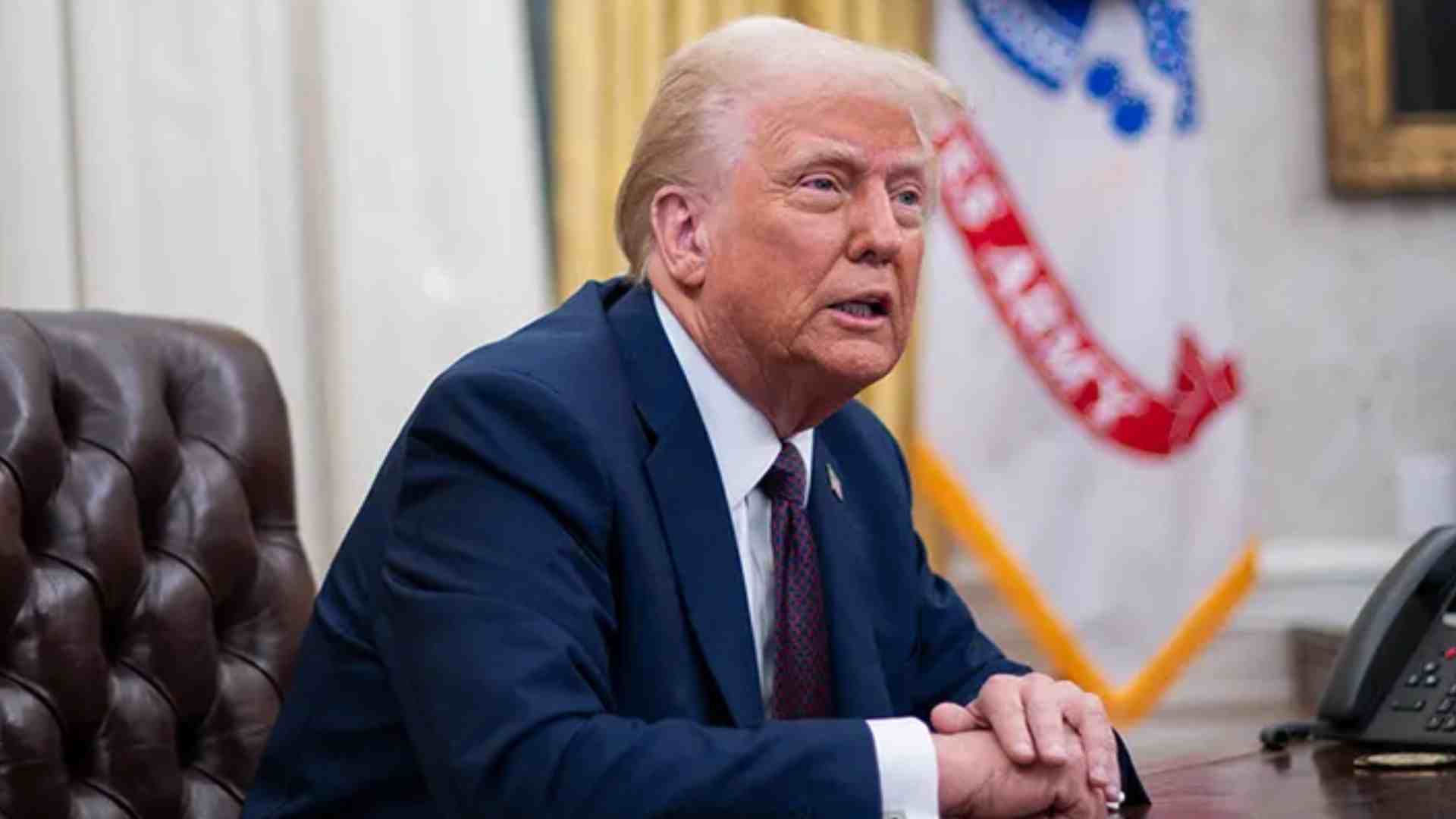

US President Donald Trump said on Friday that he expected Iran to respond “tonight” to Washington’s latest proposal aimed at ending the conflict in West Asia.
At the same time, tensions in and around the Strait of Hormuz continued to rise after an Iranian military source warned that fighting could restart if the United States interferes with Iranian ships in the strategic waterway. The source described the current situation as “calm” but warned that conflict could quickly return if American forces “disturb” Iranian vessels.
“There is still a possibility of re-entering such conflicts in the region," the source said, according to Iran’s Tasnim news agency.
Clashes reported in Strait of Hormuz
Earlier, Iran’s Fars news agency reported “sporadic clashes” between Iranian forces and US naval ships in the Strait of Hormuz, one of the world’s most important oil shipping routes.
The latest tensions escalated after the US Central Command claimed it struck two empty Iranian oil tankers. According to the US military, the vessels were attempting to violate an American blockade by entering an Iranian port through the Gulf of Oman.
The United States also said Iranian forces attacked three American destroyers moving through the Strait of Hormuz on Thursday.
In response, US forces launched strikes on Iranian military targets.
“US forces intercepted unprovoked Iranian attacks and responded with self-defense strikes as US Navy guided-missile destroyers transited the Strait of Hormuz to the Gulf of Oman, May 7,” CENTCOM said in a statement.
Iran’s central military command, however, accused Washington of violating the ceasefire agreement.
Trump warns Iran to sign deal quickly
After the military strikes, Trump posted a strong warning to Iran on Truth Social. “We’ll knock them out a lot harder, and a lot more violently, in the future, if they don’t get their Deal signed, FAST!” he wrote.
Later, while speaking to ABC News, Trump claimed the ceasefire remained active and described the US retaliatory strikes as only a “love tap”.
Iran speaks with Turkey over regional crisis
Iranian Foreign Minister Abbas Araghchi also held talks with Turkish Foreign Minister Hakan Fidan regarding the growing tensions in the region.
According to Iran’s IRIB broadcaster, Araghchi accused the US of violating the ceasefire and blamed instability in the Strait of Hormuz on American “lawlessness and military adventurism”.
Meanwhile, the US Central Command said American forces disabled two more Iranian tankers that were allegedly trying to break the blockade around Iranian ports.
Iran introduces new Hormuz transit rules
Iran has also introduced a new transit system for ships entering the Strait of Hormuz, according to a CNN report.
Under the new rules, vessels crossing the waterway must receive permission through a newly formed authority called the Persian Gulf Strait Authority (PGSA).
Ship operators will reportedly receive instructions through official emails linked to the authority. Vessels must obtain transit permits before passing through the strait or risk possible attack.
The Strait of Hormuz remains one of the world’s busiest oil transport routes. Continued tensions between Iran and the US have already triggered major disruptions in global energy supplies and pushed oil prices sharply higher.
Chinese tanker attacked near Hormuz
The crisis intensified further after a Chinese-owned oil tanker came under attack near the Strait of Hormuz earlier this week.
According to Reuters and Chinese outlet Caixin, the tanker’s deck caught fire during the incident. The vessel reportedly carried markings reading “CHINA OWNER & CREW.”
Sources told Caixin that this was the first known attack on a Chinese oil tanker in the ongoing crisis. Authorities have not yet confirmed whether there were any casualties.
The attack came shortly after Trump announced “Project Freedom,” a US mission aimed at escorting ships through the Strait of Hormuz.
Iran still reviewing US proposal
Iran has not yet officially responded to the latest American proposal to end the conflict.
According to CNN, Iranian officials said Tehran is still reviewing “messages” delivered by the United States through Pakistani mediators.
The proposed agreement reportedly consists of a one-page, 14-point memorandum designed to end hostilities and begin formal negotiations.
Under the proposal, Iran could temporarily pause nuclear enrichment activities, while the United States may ease sanctions and release billions of dollars in frozen Iranian funds.
Both countries may also reduce restrictions in the Strait of Hormuz during a proposed 30-day negotiation period intended to pave the way for a broader agreement.