
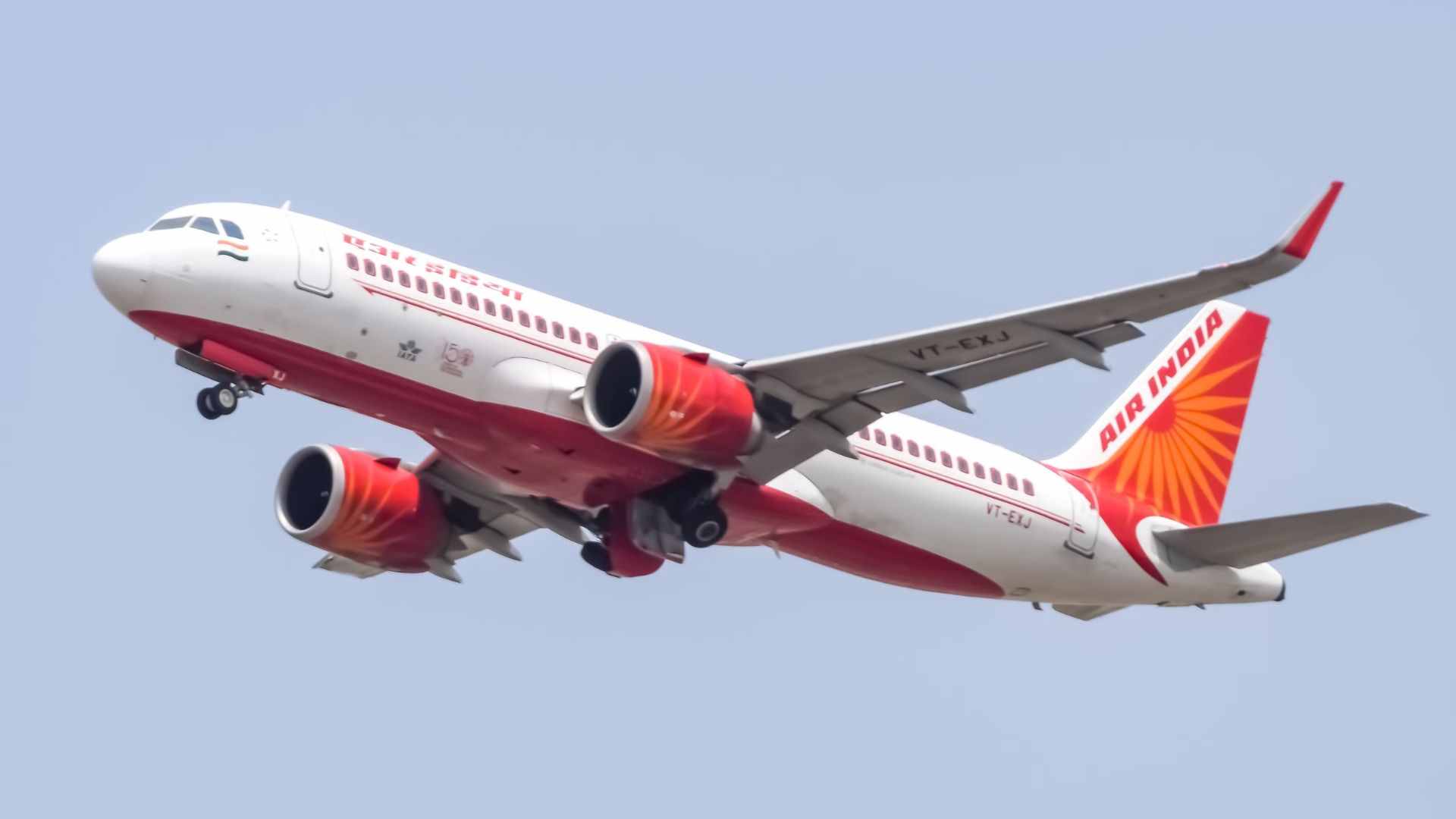

Air India will sharply reduce its international operations from June onward as rising fuel prices, weak demand and geopolitical tensions continue to hurt the aviation sector.
According to schedule tracking platform Aeroroutes, the airline has cancelled several international flights and reduced frequencies across Asia, Europe, North America and Australia. Some suspensions may continue throughout the current scheduling season.
The cuts come during the ongoing global oil crisis and after Prime Minister Narendra Modi urged citizens to avoid unnecessary foreign travel for one year to help save foreign exchange reserves.
Air India also continues to face operational problems because Pakistani airspace remains closed. Several North America-bound flights now require refuelling stops.
Air India Cuts Flights Across Asia
Air India has reduced services to several Asian destinations between June and August, which is usually a weaker travel period. The airline cancelled one of its two daily flights from Chennai and Mumbai to Singapore. Delhi-Singapore services will also reduce to four weekly flights in July.
Flights to Bangkok will also reduce. Delhi-Bangkok operations will fall from four daily flights to three. Mumbai-Bangkok services will lose six weekly frequencies. The airline will reduce Kathmandu flights from six daily services to four daily between June and August.
Air India has also halved its Kuala Lumpur operations from ten weekly flights to five. The airline suspended Delhi-Male flights and reduced Mumbai-Colombo frequencies. Its recently launched Shanghai service has also been affected. Meanwhile, Air India will cancel Mumbai-Dhaka services completely.
European Routes Also Face Reductions
Air India has also reduced operations across Europe. Flights to Vienna, Copenhagen, Rome and Zurich will now operate three times a week instead of four.
Paris flights will reduce from two daily services to one daily flight. Milan services will also drop from five weekly flights to four. The airline introduced these cuts to control rising operational costs.
North America and Australia See Major Cuts
The airline’s North American network has suffered some of the biggest reductions. Air India will suspend Chicago flights between June and October. The airline will also suspend Delhi-Newark and Mumbai-New York services between June and August.
Flights to San Francisco, Toronto and Vancouver will continue with reduced frequencies until at least August. Australia operations will also shrink further. The airline had already reduced flights from seven weekly services to five. It will now cut them to four weekly flights during July and August.
Reports suggest Air India may announce more changes later depending on market conditions.
Oil Prices Continue to Hurt Airlines
Global oil prices have remained above $100 per barrel due to tensions in West Asia. The Indian government capped Aviation Turbine Fuel (ATF) price hikes for domestic airlines at 25 percent in April and kept rates unchanged in May. However, international operations still face heavy fuel costs.
Air India now faces higher operating expenses along with weaker travel demand. The airline had already reported losses of more than Rs 20,000 crore in the previous financial year.
Airline Denies Fuel Shortage Rumours
The latest cancellations came after social media rumours claimed Air India was suspending international flights because of fuel shortages. The airline strongly denied those claims.
Reports said the cancellations resulted from high costs and lower demand, not fuel shortages. India’s fuel supply situation has not forced airlines to suspend operations so far.
Crisis Disrupts Expansion Plans
The West Asia conflict has disrupted Air India’s international expansion plans, especially in the North American market. Industry experts believe the airline may now redeploy aircraft such as Airbus A350s and former Etihad Boeing 777s to improve services on other routes and phase out older aircraft.
The crisis has also affected IndiGo. IndiGo currently operates six leased Dreamliners. The airline had briefly paused reservations for parts of its European widebody network before reopening bookings.
The ongoing crisis in West Asia continues to reshape global aviation as airlines struggle with rising fuel prices, operational restrictions and weaker demand.