
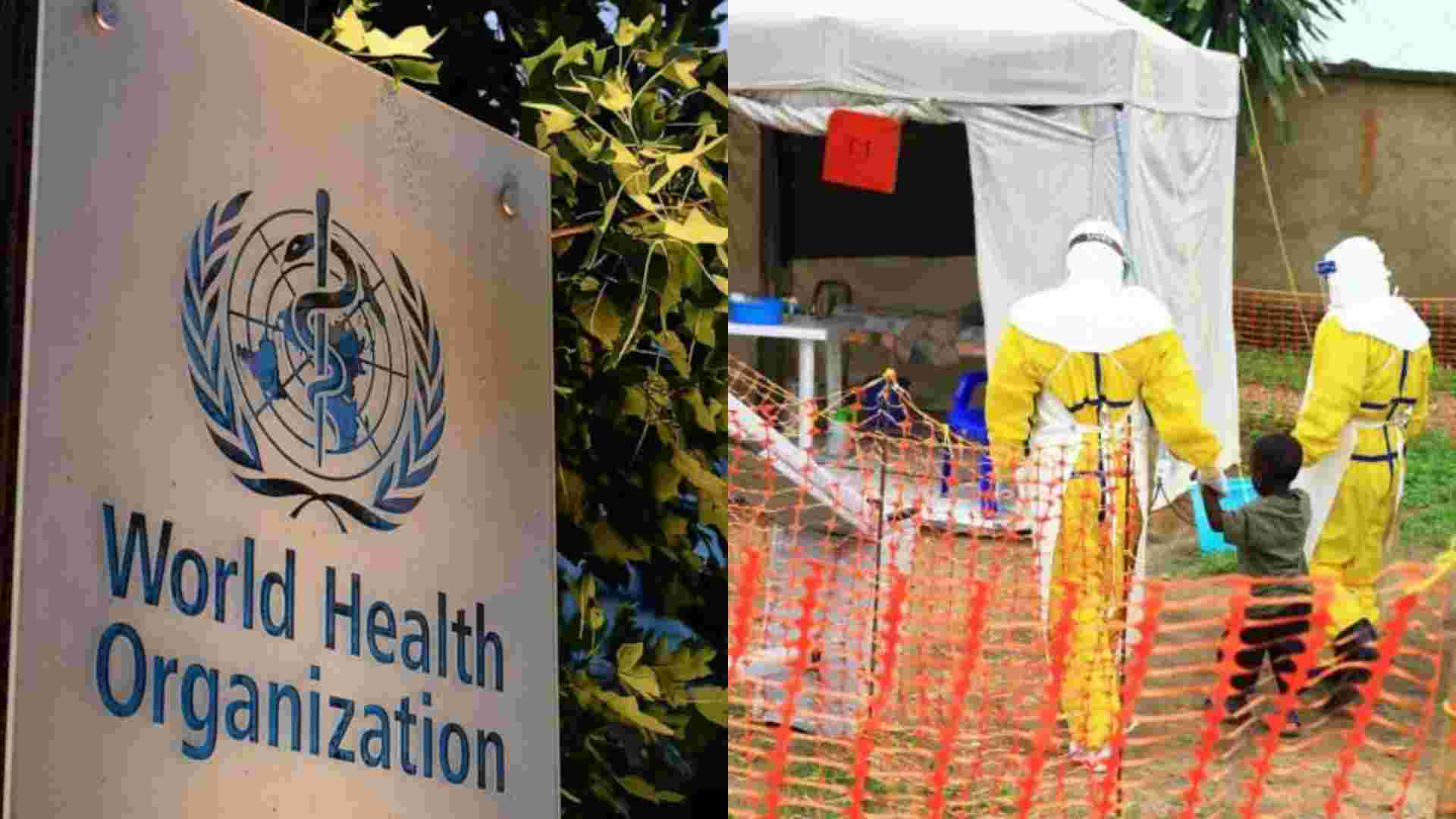

The World Health Organization (WHO) on Sunday declared the fast-spreading Ebola outbreak in the Democratic Republic of Congo (DRC) and Uganda a Public Health Emergency of International Concern (PHEIC).
The agency issued its highest level of alert after deaths linked to the rare Bundibugyo ebolavirus increased sharply. However, WHO said the outbreak does not qualify as a global pandemic because the spread remains limited to certain regions.
“WHO is hereby determining that the Ebola disease caused by Bundibugyo virus in the Democratic Republic of the Congo and Uganda constitutes a public health emergency of international concern, but does not meet the criteria of pandemic emergency,” the agency confirmed in an official statement.
Ebola Cases Rise in Congo
This outbreak marks the 17th Ebola crisis in the DRC since 1976. The virus has hit the northeastern Ituri province the hardest.
Authorities reported 80 suspected community deaths as of May 16. Officials also confirmed eight laboratory-tested cases and recorded at least 246 suspected infections in Bunia, Rwampara, and Mongbwalu.
Health officials fear the outbreak because the Bundibugyo strain is very rare. Unlike the more common Zaire strain, this variant has no approved vaccine or specialised treatment.
The virus spreads through direct contact with infected bodily fluids. It causes fever, body pain, vomiting, and severe bleeding in advanced cases.
Virus Crosses Borders
The outbreak has now spread beyond Congo’s borders. Uganda confirmed two laboratory-tested cases in Kampala within the last 48 hours. One infected person died. Officials said both individuals had travelled from the DRC.
Authorities also detected a confirmed Ebola case in Kinshasa, the DRC’s crowded capital city. The case raised concerns about the movement of infected people across major regions.
Health Agencies Face Major Challenges
International health agencies have rushed emergency support and supplies to the affected areas. However, difficult conditions continue to slow response efforts. Current Ebola vaccine stockpiles target the Zaire strain. They do not protect against the Bundibugyo variant.
At the same time, frequent movement linked to informal gold and diamond mining has made contact tracing harder. Health workers struggle to monitor infected people and their contacts. The deaths of at least four healthcare workers have also exposed weak infection control systems in hospitals and clinics.
In response, the Africa Centres for Disease Control and Prevention (Africa CDC) held emergency meetings with health ministers from the DRC, Uganda, and South Sudan. Officials discussed stricter border screening and stronger coordination.
Why WHO Did Not Declare a Pandemic
WHO classified the outbreak as a PHEIC instead of a pandemic emergency because the virus spreads differently from airborne diseases. Health experts said the Bundibugyo strain is deadly but less likely to spread widely like Covid-19 or influenza. They believe targeted public health measures can still contain the outbreak.
The emergency declaration aims to increase international funding and speed up response efforts without creating global panic.