
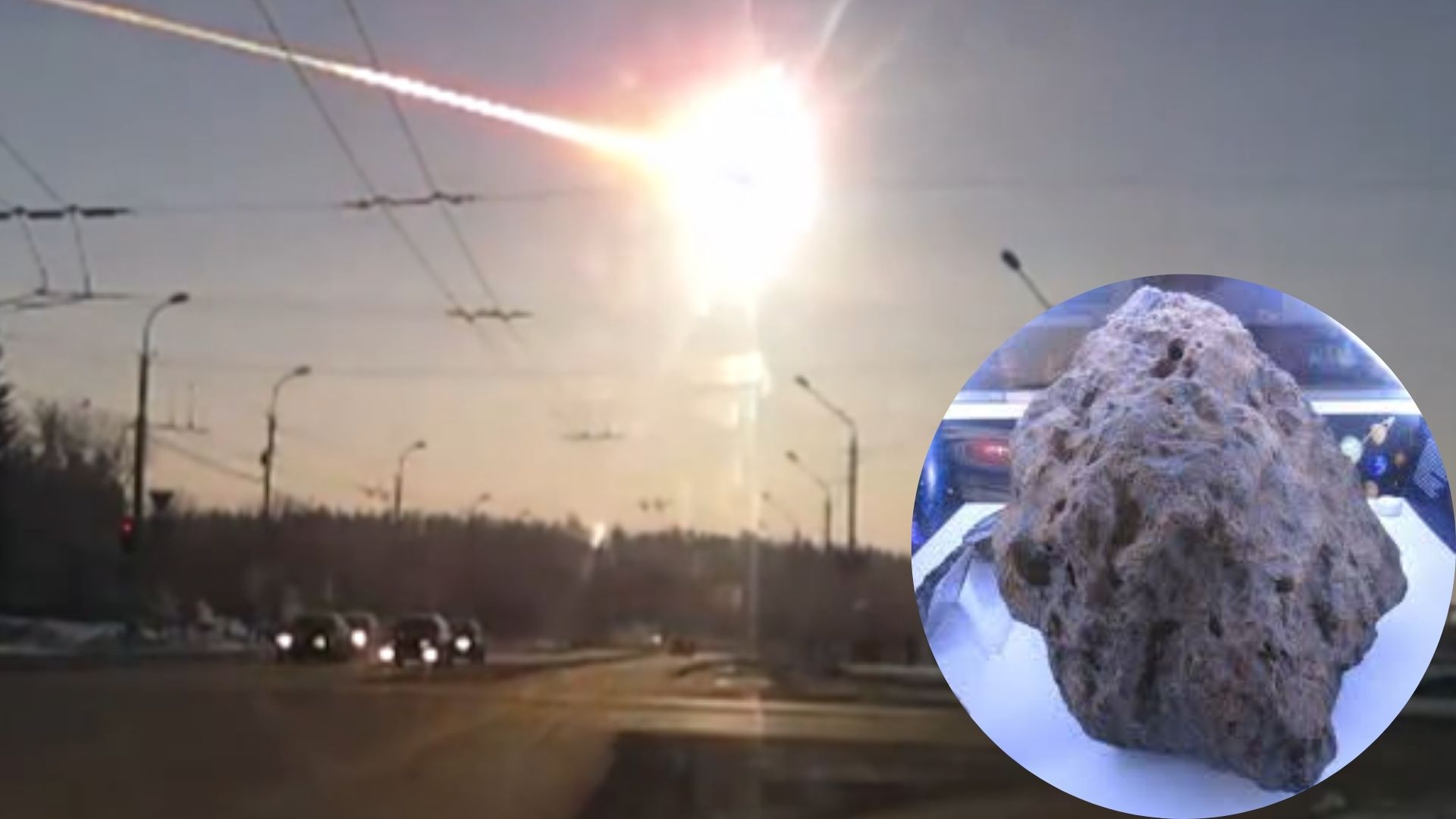

The asteroid explosion over Chelyabinsk in Russia on February 15, 2013, became one of the clearest warnings about the dangers Earth faces from undetected space objects. The powerful blast injured nearly 1,500 people, damaged thousands of buildings, and exposed a serious weakness in global asteroid tracking systems. A 20-meter near-Earth asteroid weighing around 11,000 metric tons exploded at an altitude of 23.3 kilometers above Chelyabinsk, Russia. The explosion released energy equal to nearly 500 kilotons of TNT, creating a massive shockwave and a dust plume that satellites later tracked.
What shocked scientists most was that researchers completely failed to detect the asteroid before it entered Earth’s atmosphere. Ironically, scientists were successfully monitoring another asteroid that passed close to Earth on the very same day.
Why Scientists Failed to Detect the Asteroid
Experts later explained that many dangerous asteroids remain extremely difficult to spot. Smaller asteroids often appear dark and reflect very little sunlight, making them hard for telescopes to detect.
In addition, some space rocks approach Earth from the direction of the Sun. Because sunlight blinds ground-based telescopes, scientists struggle to identify objects moving toward Earth from that angle.
As a result, some of the most dangerous asteroids can remain invisible until the final moments before impact.
Chelyabinsk Blast Highlighted Hidden Space Threats
The Chelyabinsk asteroid exploded in the atmosphere with tremendous force, sending shockwaves across the region. The explosion shattered windows, damaged buildings and injured people mainly through flying glass and debris.
The incident exposed an uncomfortable reality for scientists and governments worldwide: even with modern technology, Earth can still face surprise asteroid impacts.
Small Asteroids Can Still Cause Massive Damage
Although the Chelyabinsk asteroid was relatively small compared to larger known space objects, it still caused widespread destruction. Scientists warned that even modest-sized asteroids can become highly dangerous when they explode over populated areas.
The event also increased concerns about “hidden” asteroids that current monitoring systems may fail to detect in advance.
Scientists Continue Efforts to Improve Detection Systems
Since the Chelyabinsk explosion, researchers and space agencies have increased efforts to improve asteroid detection technology. Scientists are now focusing more on tracking smaller near-Earth objects and developing space-based observation systems that can detect asteroids approaching from sunlit directions.
However, experts acknowledge that detecting every dangerous object remains a major challenge.