
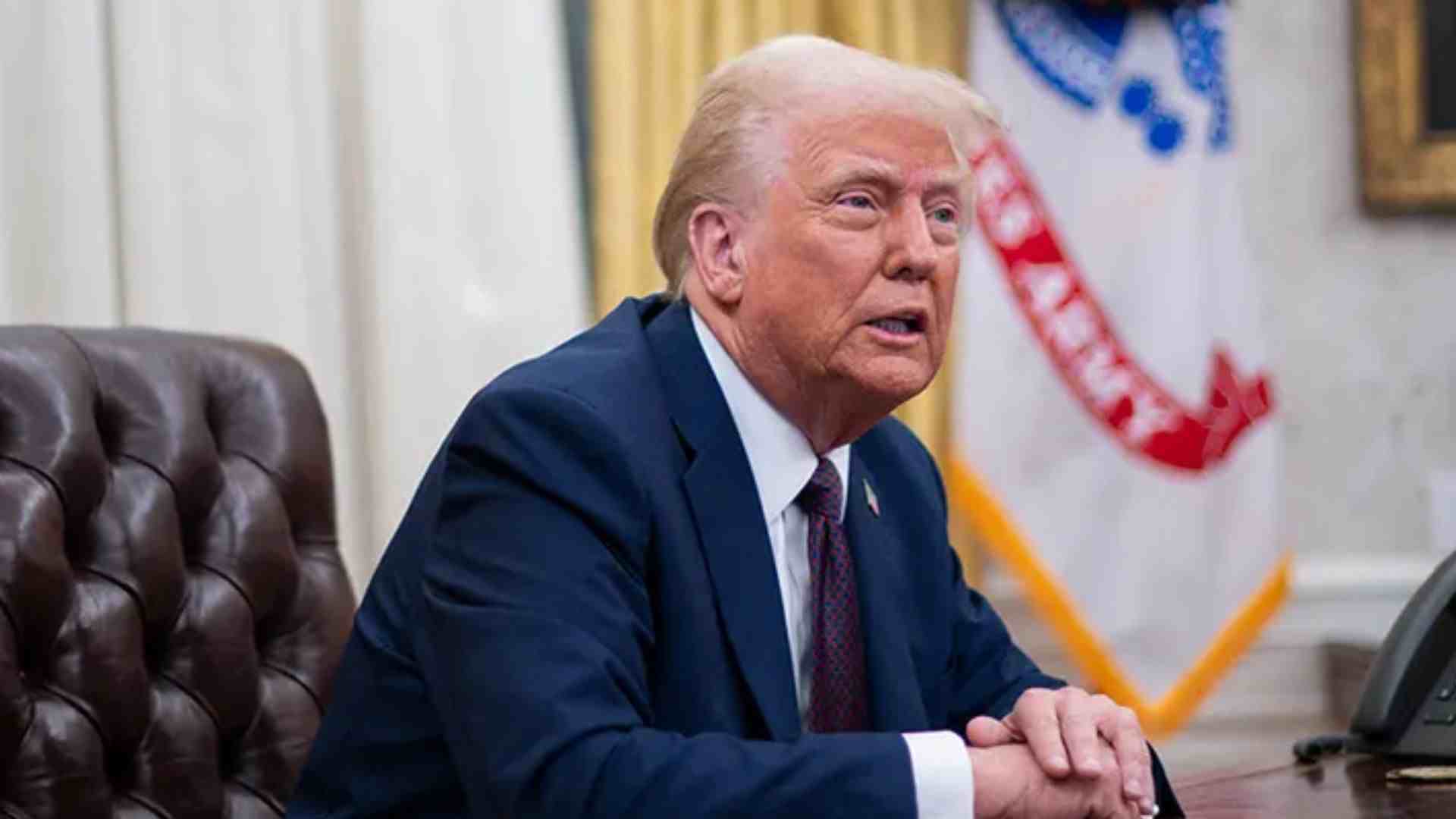

US President Donald Trump dismissed concerns over rising consumer prices on Wednesday after new economic data showed inflation had climbed to its highest level in more than three years.
Speaking to reporters at the White House, Trump said he was not worried about the latest inflation figures. Instead, he made the unexpected remark that he “loves the inflation,” arguing that current price increases were linked to developments in the oil market that he believes will eventually benefit the United States.
Trump Defends Inflation Rise
Reporters questioned Trump after fresh data showed inflation accelerating in May. When asked whether he was concerned about rising prices, the president replied, “No, I love it. I love the inflation.”
Trump argued that the increase was tied to energy markets and ongoing developments involving Iran. He also claimed that the United States had been quietly removing large quantities of oil connected to Iran, though he did not provide evidence or details about the operation.
“You know why? Because as soon as this war is over — do you know we’ve been taking out millions of barrels of oil? Nobody knows it. You know who doesn’t know? Iran until right now,” Trump said.
Inflation Reaches Highest Level Since 2023
According to the US Labor Department, the Consumer Price Index (CPI) rose 4.2 percent in May compared with the same month last year. The figure marked the third straight monthly increase and represented the highest inflation rate since April 2023.
Inflation stood at 3.8 percent in April before moving higher in May. Energy costs played a major role in the increase. Rising gasoline prices contributed significantly to the jump in consumer prices across the country.
Meanwhile, core inflation, which excludes food and energy prices, remained relatively stable at 2.9 percent.
Rising Energy Prices Fuel Inflation
The latest inflation surge comes as global oil markets remain under pressure due to geopolitical tensions involving Iran. Higher crude oil prices have pushed up fuel costs, increasing transportation expenses and household spending across the US economy.
Brent crude prices have remained elevated in recent months, adding pressure on consumers and businesses. Despite the increase, Trump insisted that inflation would ease once the conflict ends and energy markets return to normal.
Federal Reserve Faces Difficult Decisions
The new inflation figures have created fresh challenges for the US Federal Reserve. The White House has repeatedly pushed the central bank to lower interest rates. However, the latest rise in inflation could make policymakers more cautious.
Federal Reserve officials had hoped inflation was gradually moving toward the bank's 2 percent target. Instead, the latest data suggests price pressures remain stronger than expected.
As a result, several economists and financial institutions now believe the Fed may delay any planned interest-rate cuts. They are closely watching whether higher energy prices spread into other areas of the economy and create broader inflationary pressures.
Investors Reassess Expectations
Financial markets have already begun adjusting their expectations. Many investors now believe the Federal Reserve could keep borrowing costs higher for longer rather than moving quickly to cut rates.
The latest inflation report has reduced confidence that aggressive monetary easing will happen in the near future. As markets react, businesses and consumers continue to monitor economic conditions closely.
Inflation Creates Political Pressure
The inflation rebound also presents a political challenge for Trump and Republicans ahead of the upcoming midterm elections. Trump returned to office promising to reduce prices and improve affordability for American families.
However, inflation has now climbed above 4 percent, while rising fuel prices continue to affect household budgets. Public surveys show that many Americans remain worried about the cost of living despite a strong labour market.
Critics argue that higher energy costs linked to tensions with Iran are reducing consumers' purchasing power at a time when housing, food and transportation expenses remain elevated.
Supporters of the administration, however, maintain that the current inflation spike is temporary and largely driven by geopolitical events rather than deeper economic problems.
For now, Trump's comments stand in sharp contrast to concerns expressed by consumers, investors and Federal Reserve officials, who are closely monitoring whether rising energy costs prove temporary or signal a longer-lasting inflation problem.