
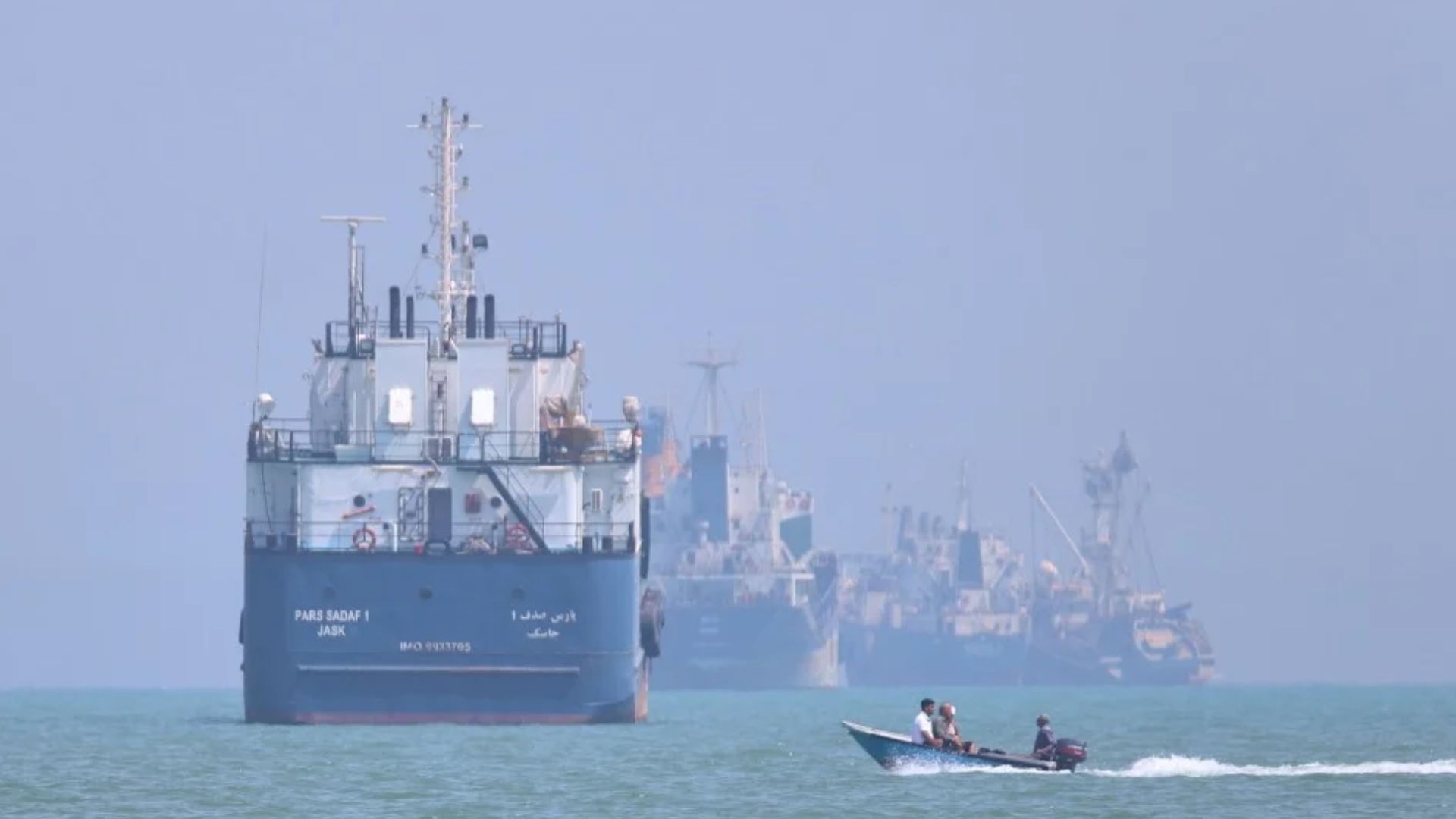

The United States has officially ended its naval blockade on Iran, marking a major step toward easing tensions after Washington and Tehran reached an initial agreement designed to end months of military confrontation across the region.
The announcement came from the United States Central Command, which said American forces had stopped enforcing restrictions on maritime traffic around Iran under orders from US President Donald Trump.
CENTCOM Confirms End of Maritime Blockade Operations
In a statement posted on X, CENTCOM said US forces had lifted all restrictions on ships entering and leaving Iranian ports and coastal waters. “Today, US forces lifted the blockade on all maritime traffic entering and exiting Iranian ports and coastal areas, in accordance with the President’s direction," CENTCOM said.
The statement added: “American forces are not impeding the transit of vessels to or from Iranian ports on the Arabian Gulf and Gulf of Oman. All US military blockade enforcement efforts have ceased." Although the blockade has ended, CENTCOM said US naval forces will remain in the region to monitor compliance with the agreement and ensure that all parties follow its terms.
US-Iran Agreement Triggers New Diplomatic Phase
The decision to lift the blockade follows a breakthrough diplomatic agreement between the United States and Iran, which both sides hope will lead to a permanent end to the conflict. US Vice President JD Vance confirmed that Washington and Tehran have signed an initial accord, launching a 60-day period of negotiations aimed at reaching a comprehensive peace settlement. According to Vance, the agreement also includes several side arrangements, including what he described as “gentlemen’s agreements" covering specific aspects of the negotiation process.
Switzerland Talks and Technical Negotiations Set to Begin
As the diplomatic process moves forward, technical discussions between US and Iranian officials are expected to begin this weekend. Meanwhile, preparations are underway for direct negotiations in Switzerland, where both sides will work on the details of a final peace agreement. The preliminary accord also includes plans to reopen the Strait of Hormuz, one of the world's most important shipping routes, along with other measures designed to reduce tensions in the region.
Israel's Actions in Lebanon Raise Concerns
Despite progress between Washington and Tehran, significant challenges remain. While the agreement calls for an immediate end to military operations across several fronts, Israel has continued military activities in Lebanon and has indicated that it does not plan to withdraw from certain areas. These developments have raised concerns that regional disputes could complicate efforts to transform the ceasefire framework into a lasting peace agreement.
End of Blockade Expected to Boost Trade and Energy Markets
The removal of the naval blockade is expected to have immediate economic and strategic benefits. Commercial vessels can now freely enter and leave Iranian ports, helping restore shipping traffic through key regional waterways. The move is also expected to ease pressure on global energy markets that have experienced disruptions during the conflict. Analysts view the decision as the first major practical step in implementing the US-Iran agreement.
First Major Test of the US-Iran Peace Framework
The lifting of the blockade represents the first visible sign that both countries are moving beyond the ceasefire phase and toward broader diplomatic engagement. However, the success of the agreement will depend on whether Washington and Tehran can maintain cooperation during the upcoming negotiations and overcome regional challenges that still threaten stability.
For now, the end of the blockade marks a significant confidence-building measure and an important test of whether the US-Iran peace framework can evolve into a durable and long-term settlement.